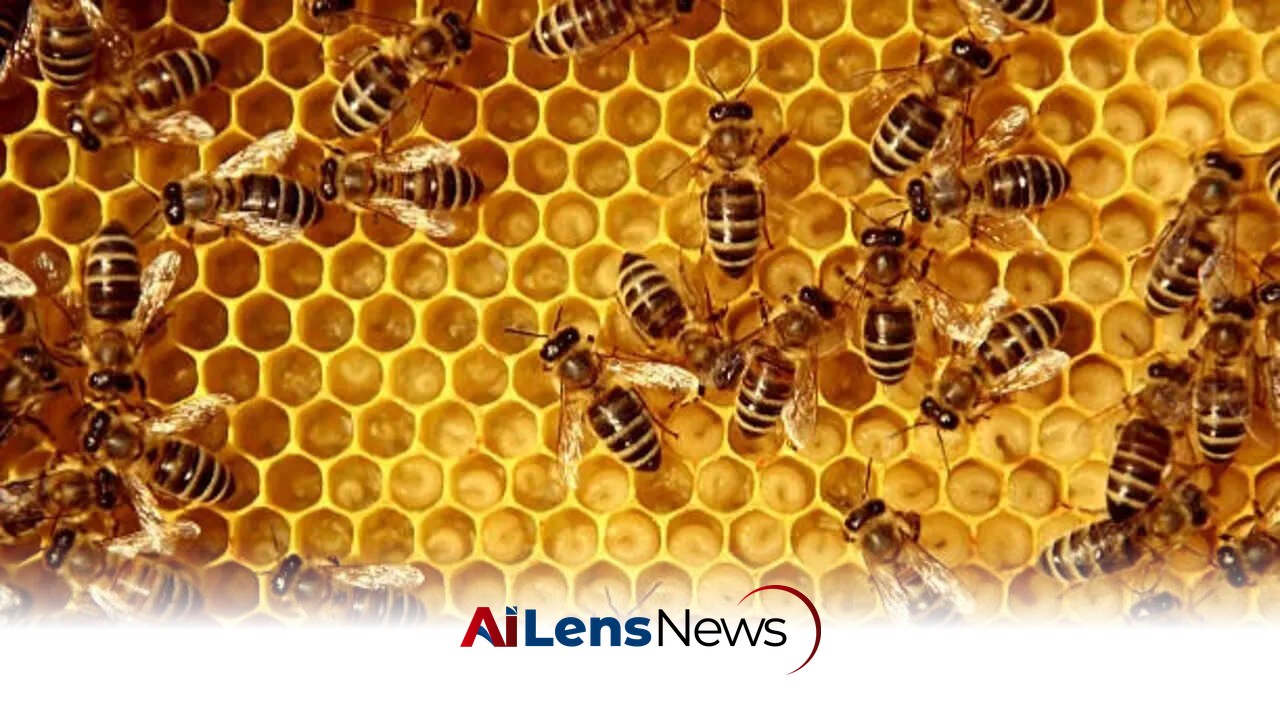


Discover seven remarkable animals that have evolved unique methods to hunt and consume bees, overcoming their painful stings and defenses.
New Delhi, India Jul 10, 2026 ALN: While known for their painful stings, bees are well protected against most predators due to their defense mechanisms. However, some species of animals have evolved methods of hunting and eating bees despite these defenses. This article explores seven remarkable animals that have developed unique strategies to consume bees, their larvae, or even honey.
The honey badger is notorious for its fearless nature and resilience. Equipped with thick skin and a high pain tolerance, it can withstand bee stings while raiding hives for honey and larvae. Honey badgers are known to have a strong predilection for honey, which makes them a significant threat to bee populations. Their ability to withstand bee stings is complemented by their intelligence and resourcefulness. When hunting, honey badgers often dig into the ground to find bee nests or climb trees to reach hives, showcasing their adaptability in various environments.
Beyond their physical attributes, honey badgers exhibit strategic behavior when confronting bees. They often use their sharp claws to pry open hives and may even roll in the dirt or use their own body odor to mask their scent from bees. This combination of physical prowess and behavioral adaptation allows honey badgers to be one of the few predators that can effectively target bees without being deterred by their stings.
Brown bears and black bears are known for their love of honey. Their thick fur provides some protection against bee stings, allowing them to dig into hives and feast on the sweet treat. Bears are opportunistic feeders, and honey represents a high-energy food source that they actively seek out, especially during the late summer and early autumn months when bees are most active.
When bears approach a beehive, they often display a remarkable level of determination. They may use their powerful limbs to break apart logs or tear down trees where hives are located. Their keen sense of smell helps them locate beehives from a considerable distance, and once they find one, they will not hesitate to endure a few stings in pursuit of honey. This relationship between bears and bees is an example of how larger predators can influence bee populations and hive dynamics.
This large wasp species preys on honeybees. European hornets are fast and agile, allowing them to catch bees mid-flight, and their own venom can incapacitate bees before they can defend themselves. Unlike honeybees, which are more focused on pollination and hive maintenance, hornets are aggressive hunters. Their predatory behavior is marked by a strategic approach to hunting, often involving ambush tactics where they wait for bees to leave their hives.
The impact of European hornets on honeybee populations can be significant, particularly in areas where they are abundant. As they capture bees, hornets can reduce the number of foragers available to the hive, which can affect the hive's overall productivity and health. This predation highlights the competitive dynamics within ecosystems, where different species vie for resources.
Praying mantises are skilled hunters that can catch bees in mid-air. Their quick reflexes and camouflage help them ambush unsuspecting bees, making them effective predators. Praying mantises are unique in their hunting , often remaining still and blending into their surroundings until a bee comes within reach. Once the opportunity arises, they strike with incredible speed and precision.
In addition to their visual hunting strategies, mantises are also equipped with spiny forelegs that help them grasp and hold onto their prey. This adaptation allows them to capture even agile insects like bees. The presence of praying mantises in a garden or natural habitat can serve as a natural form of pest control, showcasing their role in maintaining ecological balance.
Certain species of ants, like the yellow crazy ant, are known to raid beehives. They work together in large numbers to overpower bees and steal honey and larvae. Ants are social insects that rely on teamwork and communication to execute their raiding strategies. When a colony of ants identifies a beehive, they will mobilize in large numbers to attack, often overwhelming the bees through sheer force.
This behavior highlights the complex social structures of ant colonies and their ability to coordinate attacks. The impact of ant predation on bee populations can be detrimental, especially for smaller beehives that may not have enough worker bees to defend against a coordinated assault. The interactions between ants and bees illustrate the competitive pressures that exist within ecosystems, where survival often depends on collective effort.
Some bird species, such as the bee-eater, have adapted to feed on bees. They catch bees in flight and have developed techniques to avoid stings, often removing the stingers before consuming their prey. Bee-eaters are known for their vibrant colors and acrobatic flying abilities, which they use to hunt down bees with precision. They often perch on branches and watch for bees, swooping down to capture them mid-air.
In addition to their hunting skills, bee-eaters have a unique method for dealing with the stingers of their prey. After capturing a bee, they will often beat it against a hard surface to disable the stinger before consumption. This behavior not only demonstrates their adaptability but also highlights the intricate relationships between predators and their prey in natural ecosystems.
Raccoons are opportunistic feeders that will raid beehives for honey. Their dexterous paws allow them to open hives, and while they may get stung, their thick fur provides some protection. Raccoons are known for their intelligence and problem-solving skills, which they use to access food sources, including beehives.
When raiding a beehive, raccoons often exhibit trial-and-error behavior, learning from past experiences to improve their foraging techniques. Their ability to manipulate objects with their paws enables them to open hives that are otherwise secure. This adaptability makes them successful foragers, but it also places additional stress on bee populations, particularly in areas where raccoons are prevalent.
These animals demonstrate remarkable adaptations that allow them to overcome the defenses of bees. Their unique hunting strategies highlight the intricate balance of nature and the diverse ways species interact within ecosystems. The interactions between these predators and bees are not merely about survival; they are part of a larger ecological narrative that underscores the complexities of food webs, competition, and adaptation in the animal kingdom.
Understanding these relationships is essential for conservation efforts, particularly as bee populations face numerous threats from habitat loss, pesticides, and climate change. By studying the behaviors of these predators, researchers can gain insights into the ecological roles that bees and their predators play, ultimately contributing to more effective strategies for protecting both bees and the ecosystems they inhabit.
To learn more about the latest developments in Home & Living, stay updated with our exclusive reports and analyses on AiLensNews.

