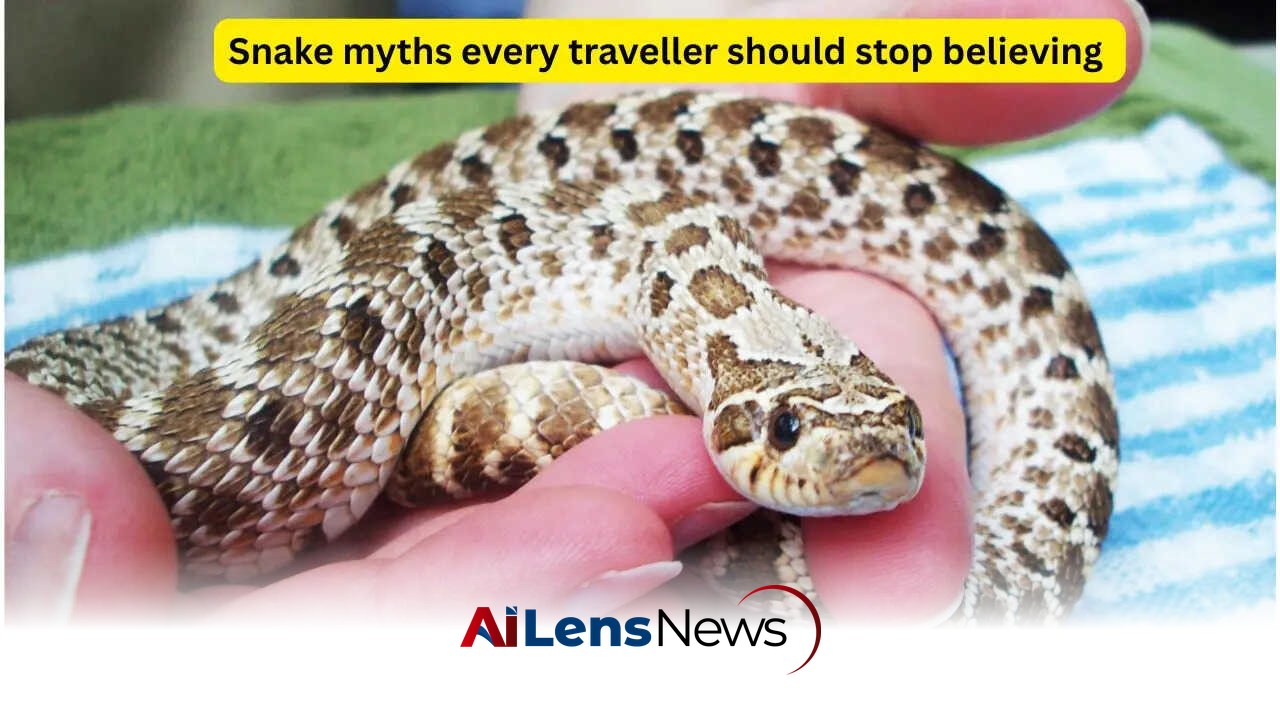


Explore the truth behind common snake myths and understand their vital role in ecosystems.
New Delhi, India Jul 3, 2026 ALN: Snakes, often viewed through a lens of fear and misunderstanding, are fascinating creatures that play vital roles in ecosystems across the globe. Their portrayal in popular culture, folklore, and media has led to the proration of various myths and misconceptions. These myths can lead to unnecessary fear and misunderstanding, especially for travelers who may encounter snakes in their natural habitats. Understanding the truth behind these myths is essential not only for personal safety but also for appreciating the ecological role snakes play in the environment.
One of the most prevalent myths is that all snakes are venomous and dangerous to humans. In reality, out of the approximately 3,000 species of snakes worldwide, only about 600 are known to possess venom that can harm humans. The vast majority of snake species are non-venomous and pose little to no threat. Non-venomous snakes, such as garter snakes or corn snakes, often play crucial roles in controlling pest populations. They feed on rodents and insects, helping to maintain a balance in local ecosystems. For instance, a single garter snake can consume dozens of pests in a season, significantly reducing the population of insects and small mammals that could otherwise damage crops. Understanding this fact can help travelers approach snakes with a sense of curiosity rather than fear.
Another common myth is that snakes chase people. This misconception likely stems from the instinctive reactions both humans and snakes exhibit when they encounter one another. In most cases, snakes are more likely to flee than to chase. They are generally shy creatures that prefer to avoid confrontation. If a snake feels threatened, it may display defensive behaviors, such as hissing or striking, but these actions are typically warnings rather than aggressive pursuits. For example, a rattlesnake may rattle its tail to signal that it feels threatened, giving humans a chance to back away. Travelers should remember that snakes are an integral part of the ecosystem, and their primary goal is to survive, not to chase humans. By respecting their space, travelers can coexist peacefully with these reptiles.
Many people also believe that snakes can predict earthquakes or other natural disasters. This myth may arise from anecdotal accounts of snakes behaving erratically before seismic events. While it is true that some animals can sense changes in the environment, such as shifts in the earth's magnetic field or vibrations, there is no scientific evidence to support the idea that snakes—or any animal for that matter—can reliably predict earthquakes. Such beliefs can lead to misplaced fears and potentially dangerous decisions, such as evacuating areas based on unverified claims. Understanding the limitations of animal behavior can help travelers make informed decisions based on credible information rather than folklore.
Another myth involves the idea that snakes can dislocate their jaws to swallow prey whole. While it is true that snakes can consume prey much larger than their heads, they do not dislocate their jaws. Instead, snakes have highly flexible skulls and a unique jaw structure that allows them to stretch their mouths around larger prey. This ability is an evolutionary adaptation that enables them to consume a wide variety of food sources, from small rodents to larger mammals. For instance, a large python can consume an animal as big as a deer by slowly engulfing it whole. Travelers may find it fascinating to observe this unique feeding behavior in the wild, but it is important to remember that snakes are not as fearsome as they may seem. Their feeding methods are simply a testament to their evolutionary success.
Finally, there is a myth that snakes are slimy creatures. In reality, snakes have dry scales that can feel smooth or rough, depending on the species. The misconception of sliminess may stem from the fact that some snakes live in wet environments and are often seen in or near water. Additionally, when snakes shed their skin, they may appear glossy and shiny, which can contribute to the misunderstanding. Educating oneself about the physical characteristics of snakes can help demystify these creatures and reduce fear. For example, understanding that the scales serve a protective function and help with locomotion can foster a greater appreciation for these reptiles.
Understanding the truth behind these myths is crucial for travelers who may encounter snakes in their journeys. Snakes play an important role in maintaining healthy ecosystems. They control rodent populations and serve as important links in the food chain. Without them, it is possible that many natural habitats would become ecologically imbalanced. For example, in agricultural areas, snakes can help reduce the number of pests that damage crops, making them valuable allies for farmers. Their presence can indicate a healthy environment, as they often thrive in areas with abundant food sources and suitable habitats.
Moreover, snakes are often indicators of environmental health. A diverse snake population can signify a balanced ecosystem, while a decline in snake numbers may indicate underlying environmental issues, such as habitat destruction or pollution. For instance, studies have shown that areas with healthy snake populations often have fewer pest outbreaks, which can lead to more sustainable farming practices. By understanding and respecting snakes, travelers can contribute to conservation efforts and help protect these vital species. Engaging in responsible tourism practices, such as supporting local conservation projects and respecting wild habitats, can make a significant impact on snake populations and their environments.
In conclusion, dispelling these myths about snakes is essential for fostering a more accurate understanding of these fascinating reptiles. Travelers should approach snakes with respect and curiosity rather than fear. By doing so, they not only enhance their own experiences in nature but also contribute to the broader effort of wild conservation. As stewards of the environment, it is our responsibility to educate ourselves and others about the importance of all creatures, including those that may provoke fear or misunderstanding. Whether hiking in the mountains, exploring forests, or visiting wetlands, being informed about snakes can lead to safer and more enriching travel experiences. By embracing knowledge and dispelling myths, travelers can foster a more harmonious relationship with the natural world.
To learn more about the latest developments in Travel & Adventure, stay updated with our exclusive reports and analyses on AiLensNews.

