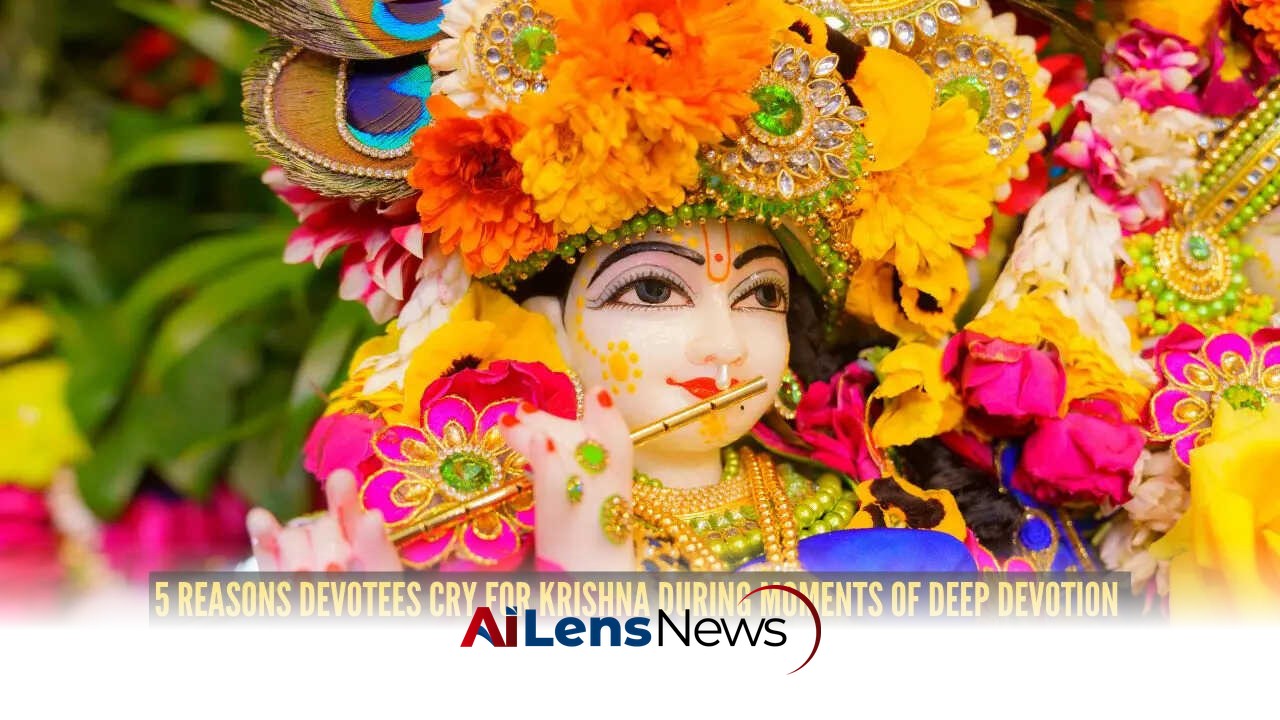


Devotees often experience tears during devotion, reflecting a profound connection to the divine rather than sadness.
New Delhi, India Jul 3, 2026 ALN: The phenomenon of devotees crying for Krishna during moments of deep devotion is a complex and multifaceted experience that transcends mere emotional outpouring. Understanding this behavior requires delving into various aspects of spirituality, psychology, and cultural practices associated with the worship of Krishna, one of the most revered deities in Hinduism.
At its core, the act of crying during devotion is often perceived as a profound expression of love, reverence, and connection with the divine. For many practitioners, these tears are not indicative of sorrow but rather signify an overwhelming sense of joy, gratitude, and spiritual fulfillment. This emotional response can vary significantly among individuals, influenced by personal experiences, cultural contexts, and the intensity of their spiritual practices.
The emotional connection that devotees feel towards Krishna is deeply rooted in the narratives and teachings surrounding his and exploits. Krishna is often depicted as a playful, loving figure who embodies compassion and joy. His stories, such as those found in the Bhagavad Gita and the Mahabharata, resonate with devotees, offering lessons on love, duty, and the nature of reality. This connection fosters a sense of intimacy and familiarity, allowing devotees to feel as though they are in the presence of a beloved friend or family member.
When devotees engage in worship, whether through singing bhajans (devotional songs), performing rituals, or simply meditating on Krishna's form, they often enter a state of heightened emotional awareness. This state can evoke a spectrum of feelings, from blissful joy to profound love, and even a sense of longing or separation, known as "viraha" in devotional literature. The tears that arise during these moments can be seen as a natural and spontaneous response to experiencing such deep emotional states, reflecting a heart that is open and receptive to divine love.
Spiritual practices play a crucial role in facilitating these emotional experiences. Devotees often engage in various forms of worship, including chanting mantras, meditative practices, and participating in communal rituals. Each of these practices serves to create a sacred space where individuals can focus their thoughts and feelings on Krishna, allowing for a deeper connection to emerge.
Chanting, in particular, is a powerful tool in the devotional tradition. The repetition of divine names, such as the Hare Krishna mantra, can lead to a state of ecstasy known as "bhava." This state is characterized by an intense emotional experience that can overwhelm the devotee, resulting in tears. The rhythmic nature of chanting can also induce a meditative state, further enhancing the emotional experience and opening the heart to divine presence.
Moreover, meditation allows individuals to quiet the mind and turn their attention inward, fostering a deeper sense of self-awareness and connection to the divine. In these moments of stillness, devotees may find themselves confronted with feelings of love and devotion that can manifest as tears. The emotional release that occurs during these practices is often seen as a purification process, cleansing the heart and soul from worldly attachments and leading to a more profound connection with Krishna.
Personal narratives from devotees often illustrate the transformative power of experiencing Krishna's presence during worship. Many recount moments when they felt an undeniable connection to Krishna, some described as a warm embrace or a gentle whisper. These experiences can be so intense that they evoke tears, which are viewed as a natural and beautiful response to divine love.
For instance, a devotee might share a story of attending a kirtan (devotional singing) where the collective energy of the participants created an atmosphere charged with devotion. As the music swelled and the chanting intensified, they might have felt an overwhelming sense of Krishna's presence, leading to tears of joy streaming down their face. Such stories not only highlight the personal nature of these experiences but also underscore the communal aspect of devotion, where shared emotions amplify individual feelings.
The sense of community among devotees is a significant factor that enhances the emotional experience of devotion. Being part of a group that shares similar beliefs and values can amplify feelings of connection to Krishna. The collective energy during communal worship can create an environment where individuals feel more open and vulnerable, allowing deeper emotions to surface.
In many traditions, communal gatherings for worship, such as festivals, pujas (rituals), and other religious events, serve to strengthen the bonds between devotees. The shared experience of chanting, singing, and praying together can lead to a heightened emotional state, culminating in tears of joy and connection. This communal aspect of devotion reinforces the understanding that spirituality is not solely an individual pursuit but a collective journey that fosters a sense of belonging and unity among practitioners.
The tears shed during moments of devotion carry deep symbolism within the spiritual context. They are often viewed as a sign of surrender, a recognition of the divine presence in one's . In many devotional texts, tears are described as a manifestation of love and longing for God, symbolizing the devotee's deep desire to connect with the divine.
Tears can also represent a release of accumulated emotions, allowing devotees to let go of worldly concerns and attachments. This act of surrender is seen as a crucial step in the spiritual journey, as it signifies a willingness to open oneself to divine grace and love. In this light, tears become a sacred expression of devotion, embodying the devotee's longing for a deeper relationship with Krishna.
In conclusion, the tears of devotion experienced by devotees are not merely expressions of sadness but are deeply rooted in personal connections to the divine. These emotional responses are enhanced by spiritual practices, the power of community, and the rich symbolism associated with tears in the context of devotion. Understanding these experiences provides insight into the profound nature of spiritual connection and the transformative power of love and devotion in the lives of those who seek to connect with Krishna.
To learn more about the latest developments in Relationships, stay updated with our exclusive reports and analyses on AiLensNews.

