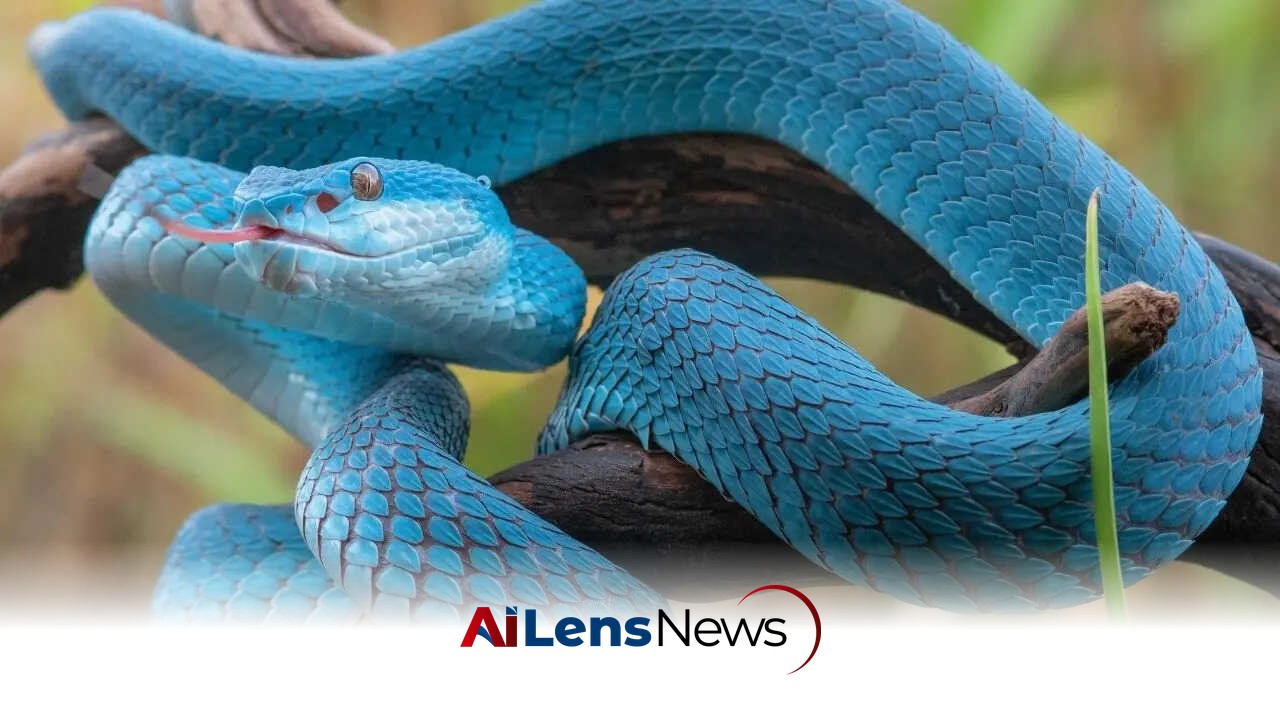


Explore the world's most dangerous snakes and the regions where travelers can encounter them, from rainforests to deserts.
New Delhi, India Jul 4, 2026 ALN: From tropical rainforests and deserts to grasslands and wetlands, snakes inhabit nearly every corner of the planet except Antarctica. While the vast majority are shy creatures that avoid people, a small number possess venom potent enough to cause severe illness, or even death, without prompt medical treatment. Here are 10 of the world's most dangerous snakes and the regions where travelers are most likely to come across them.
Known as the world's most venomous snake, the Inland Taipan is native to Australia. Its venom is extremely toxic, capable of killing a human in under an hour. This snake prefers remote areas and is rarely encountered, which is fortunate for those living in its habitat. The Inland Taipan's venom is specifically designed to immobilize its prey, which primarily consists of small mammals such as rodents. Despite its lethality, the Inland Taipan is not aggressive and will typically avoid human contact.
The Black Mamba, found in sub-Saharan Africa, is not only one of the deadliest snakes but also one of the fastest, capable of moving at speeds of up to 12 miles per hour. Its bite can deliver a lethal dose of venom, and it is known for its aggressive behavior when threatened. Black Mambas inhabit a variety of environments, including savannas, woodlands, and rocky hillsides. Their reputation as aggressive snakes is often exaggerated, as they prefer to escape from danger. However, when cornered, they can strike with remarkable speed and precision.
The King Cobra, the longest venomous snake in the world, can be found in forests across Southeast Asia and parts of . Its venom can kill an elephant in a matter of hours, making it a formidable predator. King Cobras are unique among snakes in that they primarily feed on other snakes, including venomous species. They are known for their impressive size, reaching lengths of up to 18 feet, and their distinctive hood, which they expand when threatened. Despite their fearsome reputation, King Cobras are generally shy and will avoid human contact whenever possible.
This snake is responsible for more fatalities in Australia than any other species. The Eastern Brown Snake is highly venomous and can be found in populated areas, increasing the likelihood of encounters. Its diet consists of small mammals, birds, and reptiles, and it is known for its quick reflexes and aggressive nature when threatened. Eastern Brown Snakes are often found in urban areas, making awareness of their presence crucial for residents. Their venom can cause paralysis and is potentially fatal if left untreated.
The Philippine Cobra is known for its ability to spit venom accurately up to three meters. Found in the Philippines, its bite can be fatal, and it is often encountered in rural areas. This species is particularly dangerous due to its neurotoxic venom, which can cause respiratory failure and death within hours. The Philippine Cobra is often found in agricultural fields and forests, where it preys on small animals. Its ability to spit venom is a unique adaptation that allows it to defend itself from predators without needing to strike.
Common in Central and South America, the Fer-de-Lance is highly aggressive and responsible for many snakebite incidents. Its venom can cause severe tissue damage and is often encountered in agricultural areas. The Fer-de-Lance is known for its distinctive triangular head and can be found in a variety of habitats, including forests and grasslands. Its aggressive nature and tendency to remain hidden make it particularly dangerous for unsuspecting individuals. The snake's bites can lead to significant medical complications, including necrosis and systemic shock.
The Puff Adder, found in Africa, is responsible for more snakebite fatalities than any other species on the continent. Its camouflage allows it to blend into its surroundings, making it a dangerous encounter for unsuspecting travelers. Puff Adders are typically found in savannas, grasslands, and rocky areas. They are ambush predators, relying on their excellent camouflage to catch prey, which consists mainly of rodents and birds. The Puff Adder's venom is cytotoxic, causing severe pain and swelling, and can be -threatening without prompt treatment.
Native to Australia, the Tiger Snake is highly venomous and can be aggressive when threatened. It inhabits coastal areas and wetlands, making it a potential hazard for beachgoers. Tiger Snakes are known for their distinctive banded appearance, which gives them their name. They are versatile hunters, feeding on fish, frogs, and small mammals. Their venom is potent, and bites can lead to serious health complications, including paralysis and coagulopathy. Awareness of their presence in popular recreational areas is essential for safety.
The Gaboon Viper, found in the rainforests of Africa, has the longest fangs of any snake. Its bite can be fatal, and it is known for its striking appearance and camouflaged skin. Gaboon Vipers are ambush predators, relying on their excellent camouflage to blend into the forest floor. They primarily feed on small mammals and birds. Despite their size and potent venom, Gaboon Vipers are generally docile and prefer to rely on their camouflage rather than confront threats. Bites can result in severe hemorrhaging and require immediate medical attention.
This snake is found in the southwestern United States and is known for its potent venom. The Mojave Rattlesnake is often encountered in desert areas, making it a concern for hikers and outdoor enthusiasts. Its venom contains both neurotoxic and hemotoxic components, which can lead to a range of symptoms, including paralysis and tissue damage. Mojave Rattlesnakes are typically active during the day but can also be found at night, especially during hotter months. Awareness of their habitats and behaviors is crucial for those venturing into their territory.
While encountering these snakes can be dangerous, understanding their habitats and behaviors can help travelers stay safe. Always exercise caution in areas known for snake populations and seek immediate medical attention in case of a snakebite. Education about these species, their ecological roles, and the importance of conservation efforts can also contribute to reducing human-snake conflicts. As urbanization and agriculture encroach on natural habitats, it becomes increasingly important to respect wild and take necessary precautions when exploring areas inhabited by these venomous snakes.
To learn more about the latest developments in Travel & Adventure, stay updated with our exclusive reports and analyses on AiLensNews.

