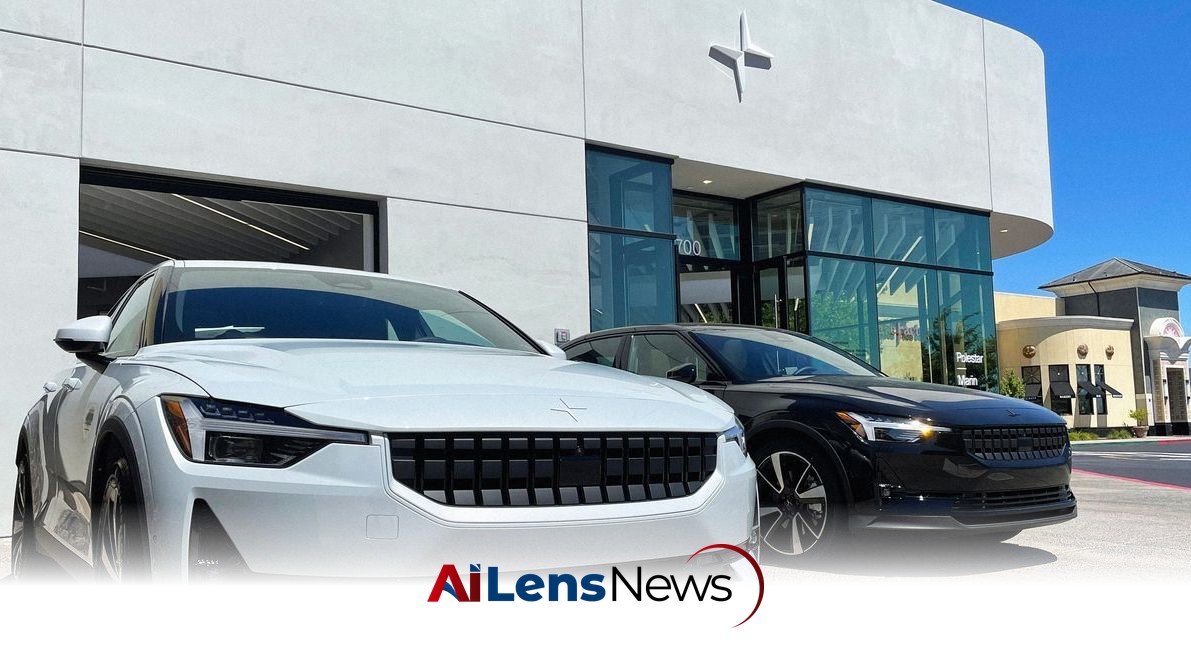


Polestar dealerships in the US face closure as federal authorization is denied, impacting investments and sales amid rising EV demand.
New Delhi, India Jul 3, 2026 ALN: Owning a US electric vehicle dealership has been a wild ride in the 2020s, characterized by rapid shifts in consumer demand, supply chain challenges, and evolving regulatory landscapes. The electric vehicle (EV) market has seen unprecedented growth, driven by increasing environmental awareness, advancements in technology, and significant policy changes aimed at reducing carbon emissions.
Since Polestar Short Hills opened in northern New Jersey in 2021, it experienced a Covid-era demand spike and EV shortage that left some used electrics with higher valuations than new ones. This phenomenon was not unique to Polestar; the entire automotive industry faced disruptions due to the pandemic, leading to inventory shortages and inflated prices. As consumers sought alternatives to traditional gasoline-powered vehicles, the demand for electric cars surged, prompting dealerships to adapt quickly to changing market conditions.
The initial surge in demand was followed by the introduction of a new federal tax credit of up to $7,500, which incentivized more drivers to consider electric vehicles. This financial boost led to a wave of new customers entering the market, eager to take advantage of the benefits associated with EV ownership. However, this was followed by a rollback of the federal tax credit, which caused a noticeable dip in sales volumes. The fluctuations in consumer interest were further complicated by shifting perceptions of major EV manufacturers, particularly Tesla, as some drivers began distancing themselves from the brand due to CEO Elon Musk’s political involvement and controversial public statements.
Now, Matthew Haiken, who owns that Polestar dealership along with three other (non-Polestar) dealerships in the Prestige Collection Auto Group, faces another and more serious challenge. In late June, Polestar announced that the US Commerce Department had denied an authorization that would have allowed the brand to continue selling cars in the US, citing a federal rule restricting the sale of vehicles equipped with Chinese-made connected-vehicle technology. This decision has significant implications not only for Polestar but also for the broader EV market and its stakeholders.
Polestar, which is majority-owned by China's Geely Holding and its founder Li Shufu, stated it will stop selling Polestar vehicles in the US beginning with the 2027 model year. This announcement sent shockwaves through the dealership network, as many owners, including Haiken, had invested substantial resources into establishing and promoting the brand. “It’s so unfortunate,” Haiken says. “It’s hard for my customers who have been reaching out; it’s hard for my staff.” He mentioned that he and the owners of the US’s other 31 Polestar dealerships have invested “many millions” in selling the cars and called the authorization decision “a shock to me and all the dealers.”
The situation is further complicated by the fact that Volvo, which is also majority-owned by Geely, received authorization from the Commerce Department in March, allowing it to continue selling its vehicles in the US, despite its Chinese connections. Volvo's successful navigation of the regulatory landscape raises questions about how Polestar's case was assessed differently. Volvo stated at the time that it held “constructive discussions” with the department regarding the automaker’s “governance, technology and data security.” When asked about the discrepancy, a Polestar spokesperson said that the company “cannot comment on how legislation applies to other manufacturers.” This lack of clarity has left many in the industry puzzled and frustrated.
“I am very frustrated in Polestar, globally,” Haiken adds. “I think they really dropped the ball, and I blame them. I don’t blame the government.” His comments reflect a broader sentiment among dealership owners who feel that the corporate leadership at Polestar failed to adequately prepare for the regulatory challenges posed by the US government. The Commerce Department under the Biden Administration officially approved the connected-vehicle rule in January 2025, after government officials argued that a ban on Chinese- and Russian-made automotive hardware and software was necessary for national security reasons. The federal government asserted that internet-connected automotive cameras, microphones, and GPS equipment posed threats to US safety. Commerce Secretary Gina Raimondo stated at the time, "It doesn't take much imagination to understand how a foreign adversary with access to this information could pose a serious risk to both our national security and the privacy of US citizens.”
The decision to halt sales of Polestar vehicles in the US is indicative of the growing tensions between the US and China, particularly in the technology sector. As geopolitical concerns escalate, the automotive industry is not immune to the ripple effects of international relations. The Commerce Department did not respond to questions regarding this situation, leaving many to speculate about the future of other EV manufacturers with similar international ties.
In light of the recent developments, Polestar stated last week that US dealerships would sell “existing stock” of the Polestar 3 and Polestar 4, and that a US service network would “continue to support customers.” The company framed the move as increasing its strategic focus on Europe, noting that 94 percent of Polestar’s first quarter 2026 sales occurred outside of the US. This shift in focus raises concerns about the long-term viability of Polestar's presence in the US market and the potential impact on dealerships reliant on the brand for revenue.
Haiken calls that statistic misleading because the brand’s newest offering, the Polestar 4 coupe, went on sale in Europe in January 2024 but wasn’t available in the US until December 2025. This delay in availability highlights the challenges faced by manufacturers in balancing global product launches with local market dynamics. Some Polestar dealerships handle service issues through Volvo centers, but Haiken mentioned that his stand-alone Polestar service center will continue fixing and servicing the EVs. “We have the volume to justify it,” he states. “We have to be around to perform that work.” However, he noted that not all dealerships might make the same decision, and vehicles will likely be sent to the closest service center for tune-ups and fixes, potentially leading to inconsistent service experiences for customers.
Polestar spokesperson Mike Ofiara wrote in a statement that Polestar “greatly values our retail partners and is working closely with them to manage this transition.” The emphasis on partnerships and collaboration is crucial as dealerships navigate this uncertain landscape. Unlike the electric vehicle company Fisker, which went bankrupt in 2024 and stranded owners without service and parts, Polestar still exists in other countries and should still be able to (and indeed, is legally obligated to) support its vehicles. This distinction is important for consumers who may be concerned about the longevity and reliability of their investments in Polestar vehicles.
For now, Haiken says working with Chinese connected tech doesn’t make him nervous. “I’m all about national security,” he emphasizes. “I’m also for tech and innovation and having the absolute best product win.” His perspective reflects a growing debate within the industry about the balance between embracing technological advancements and ensuring national security. As the EV market continues to evolve, manufacturers, dealerships, and consumers will need to navigate these complex issues, balancing innovation with regulatory compliance and consumer trust. The future of electric vehicles in the US may depend on how well these stakeholders can adapt to the changing landscape and respond to both market demands and government regulations.
To learn more about the latest developments in Energy & Clean Tech, stay updated with our exclusive reports and analyses on AiLensNews.

