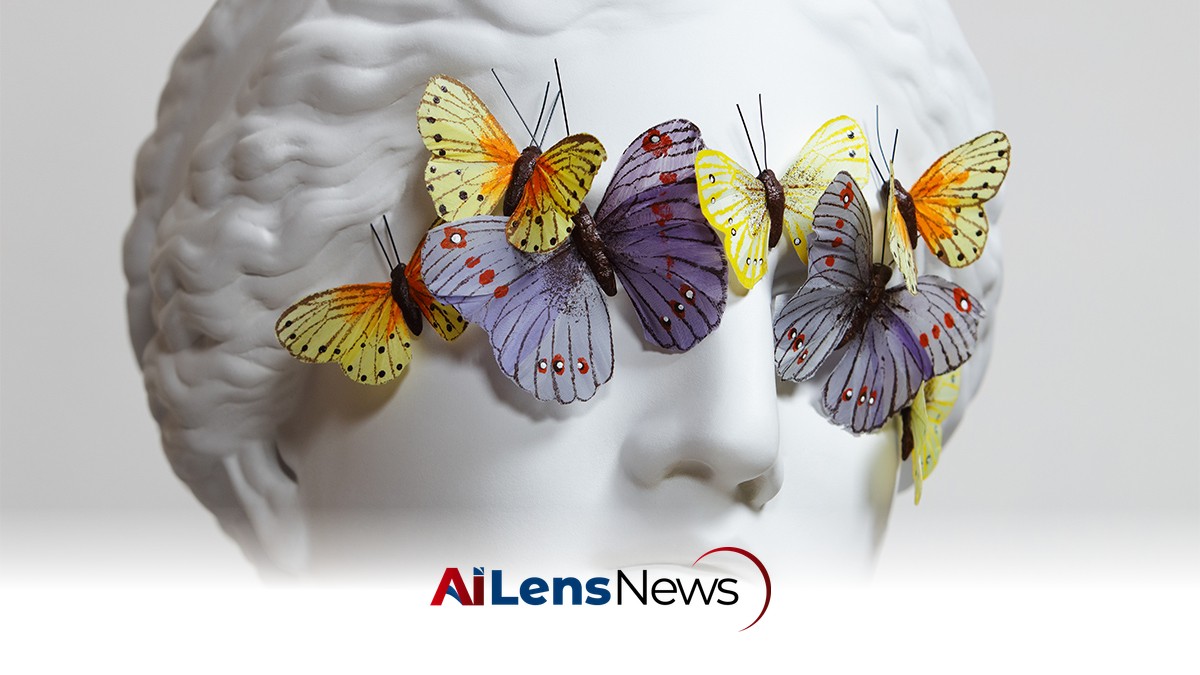


In an era of rapid AI advancement, professionals must focus on the unique human skills that machines cannot replicate, emphasizing mindset over mere skillset.
Washington DC, United States Jul 13, 2026 ALN: Recently, one of our senior bankers asked me a question: “With AIs becoming more and more capable at incredible speeds, what’s the 10% of my job that I should focus on, that the AI will never be able to do to maintain a competitive edge?”
This question reflects a growing concern among professionals across various industries. As artificial intelligence continues to evolve, the need to adapt is more pressing than ever. The challenge lies not just in reskilling but in reimagining our roles and the skills we prioritize. The rapid advancement of AI technologies has raised fundamental questions about the future of work, the nature of skills, and the essential human elements that machines cannot replicate.
In a world increasingly dominated by technology, it is essential to identify the aspects of our work that require human intuition, creativity, and emotional intelligence. These are the qualities that AI cannot replicate. For instance, while AI can analyze data and provide insights, it cannot understand the nuances of human relationships or the emotional context behind decisions. This distinction is critical, as it shapes the way we approach our jobs and the value we bring to our organizations.
Consider the analogy of an experienced horse rider transitioning to driving a car. The rider must recognize that the skills required for riding do not directly translate to driving. Instead, they must focus on developing new skills, such as reflexes and instincts, that are applicable to their new role. Similarly, professionals must identify the unique human skills that will set them apart in an AI-driven landscape. Skills such as empathy, ethical judgment, and the ability to inspire and motivate others are increasingly vital in a world where machines handle more routine tasks.
To thrive alongside AI, it is crucial to rethink not only the skills we need but also the habits we cultivate. This involves a shift in mindset from merely optimizing existing skills to embracing a broader perspective on what it means to be effective in our roles. The pace of change in technology requires us to be proactive rather than reactive, anticipating the future needs of our industries and preparing ourselves accordingly.
As we move forward, organizations must support their employees in this transition. This includes providing training that focuses on developing the human skills that complement AI capabilities. Companies should also encourage a culture of continuous learning, where employees feel empowered to explore new ideas and approaches. This is not just about formal training programs; it also involves creating an environment where experimentation and failure are seen as opportunities for growth.
Furthermore, leadership plays a critical role in fostering a future-ready mindset. Leaders must model the behaviors they wish to see in their teams, demonstrating adaptability, openness to feedback, and a commitment to lifelong learning. By doing so, they can create a culture that prioritizes human skills alongside technical competencies, ensuring that employees feel valued and engaged.
Ultimately, the key to thriving in an AI-driven world lies in our ability to embrace change and cultivate a mindset that values human qualities. By focusing on the unique skills that set us apart, we can ensure that we remain competitive and relevant in the face of technological advancements. It is not enough to simply keep pace with AI; we must also strive to enhance our distinctly human capabilities.
The rise of AI has profound implications for employment across various sectors. While AI has the potential to automate many tasks, it also creates opportunities for new roles and industries that did not previously exist. As machines take over routine and repetitive tasks, the demand for roles that require complex problem-solving, interpersonal communication, and creative thinking is likely to increase. This shift necessitates a reevaluation of educational systems and workforce development strategies to ensure that individuals are equipped with the skills needed for the jobs of the future.
Moreover, the integration of AI into the workplace raises ethical considerations regarding job displacement and economic inequality. As certain roles become obsolete, there is a risk that individuals without access to reskilling opportunities may be left behind. It is crucial for policymakers, educators, and business leaders to collaborate in creating pathways for individuals to transition into new roles, emphasizing the importance of lifelong learning and adaptability.
In conclusion, the rise of AI presents both challenges and opportunities. By prioritizing mindset over skillset, professionals can navigate this new landscape with confidence. The future will belong to those who can harness their unique human qualities to complement the capabilities of AI, creating a more dynamic and innovative workforce. As we embrace these changes, it is essential to remain committed to fostering an inclusive environment that values diversity and empowers individuals to thrive in an increasingly automated world.
To learn more about the latest developments in Startup Innovations, stay updated with our exclusive reports and analyses on AiLensNews.

