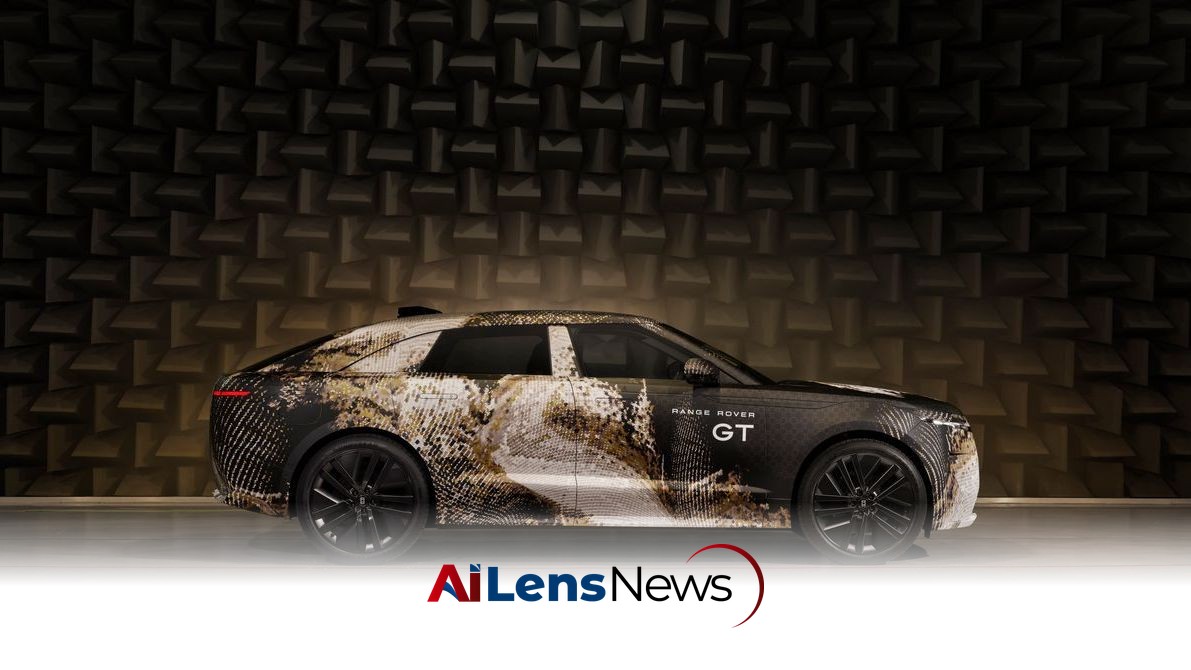


The Range Rover GT, an all-electric grand tourer, aims to redefine the segment while potentially competing with Jaguar's upcoming Type 01.
New Delhi, India Jul 22, 2026 ALN: In what looks to be a radical departure from its existing lineup, Range Rover has confirmed an entirely new fifth vehicle: the Range Rover GT, an all-electric grand tourer built on the company's Electrified Modular Architecture (EMA), the same platform that will underpin other midsized cars for the brand.
Range Rover has only shared camouflaged prototype pictures for now, as the GT is supposedly still undergoing final testing, ahead of a full launch expected later this year. That means details on this completely new model are scant to say the least: no price, no range, and no power figures have been disclosed. As for a release date, Range Rover confirmed the GT hits the road in 2027.
What is evident from the camo images is the GT's sleek silhouette and coupé proportions, more typically associated with Range Rover's sister brand, Jaguar, than with the marque known for its commitment to SUVs. Both companies sit below the parent company, JLR (formerly spelled out as Jaguar Land Rover). This strategic move into the grand tourer segment signals a significant shift for Range Rover, which has historically focused on luxury SUVs and off-road capabilities.
In a statement, Martin Limpert, global managing director at Range Rover, says the Range Rover GT is intended to “redefine the grand-touring segment” with its “GT poise, proportions and long-distance refinement,” adding that the EV will offer “capabilities no conventional GT can match.” This statement emphasizes Range Rover's ambition to carve out a unique identity for the GT, distinguishing it from traditional grand tourers that prioritize performance and luxury over versatility.
The inclusion of the word “conventional” is doing some heavy lifting. Range Rover will likely take pains in the coming months explaining how this new all-electric grand tourer isn't a direct competitor to Jaguar's new all-electric grand tourer, the hugely anticipated and polarizing Type 01, intended to signify a complete reset for Jaguar, also arriving in 2027. This context is essential, as it highlights the competitive landscape within JLR, where both brands are vying for a share of the luxury electric vehicle market.
“We have spent the last few years working obsessively on the fundamentals of the GT formula, reinterpreted in a sophisticated, uniquely Range Rover way,” says Limpert, adding that this GT, like its SUV stablemates, will apparently still be able to off-road. “The result is the most car-like Range Rover ever created. Its blend of effortless EV performance, first-class long-haul refinement, and all-terrain capability is pure Range Rover, while its interior previews our vision of a modern grand tourer.” This commitment to off-road capability is a hallmark of the Range Rover brand, and it will be interesting to see how this is integrated into a vehicle that is primarily designed for on-road performance.
The images of the Range Rover GT interior show a clean, minimalist cabin with plenty of legroom for rear passengers, a panoramic roof, and in the front a wide, slender driver display coupled with a larger central screen. A concealed air vent runs the width of the cabin, while speakers are hidden beneath the same textile that wraps the dashboard. However, Range Rover has stuck with touchscreens for all controls, going against the auto industry trend, with what looks like no dedicated physical switchgear, even for climate control. This design choice may raise questions about usability and driver distraction, especially in a luxury vehicle where user experience is paramount.
Directly comparing the GT's exterior and interior design with that of the coming Jaguar Type 01, it's clear there are family resemblances. Both vehicles are positioned as luxury grand tourers, but they may appeal to slightly different demographics within the high-end market. The Range Rover GT is designed to attract customers who appreciate the brand's storied heritage of luxury and off-road prowess, while the Jaguar Type 01 is aimed at those looking for a more performance-oriented electric vehicle experience.
The GT will be built on JLR's EMA architecture at the company's Halewood plant in the UK, the same midsize platform that will power the next-gen replacements for the Evoque EV, the Land Rover Discovery Sport, an electric Range Rover Velar successor, and the incoming “Baby Defender.” The EMA architecture is designed to support a range of electric and hybrid vehicles, allowing JLR to streamline production and reduce costs while expanding its electric vehicle offerings.
However, EMA is not the architecture that will be used for the incoming, larger Range Rover Electric—which will run on JLR's Modular Longitudinal Architecture (MLA) and be built in Solihull in the UK. Crucially, it's this larger MLA platform that is the base for the Jaguar Type 01. This distinction is significant, as it shows JLR's strategy of utilizing different platforms for different segments of the market, which may help them cater to diverse consumer preferences.
Range Rover says the GT will arrive in EV form initially, but be followed by hybrid options “later in the lifecycle” of the car. Jaguar is committed to being an electric-only brand, despite the MLA being capable of supporting mild-hybrid and full-hybrid variants. This difference in strategy could lead to a divergence in brand identity, with Range Rover maintaining some flexibility in its powertrain offerings while Jaguar fully embraces electrification.
So, are Range Rover GT and Jaguar Type 01 competing for the same customer? It's a question I put to Range Rover, and got this reply from a spokesperson: “Range Rover and Jaguar are two very different brands, and the vehicles sold under each are very different propositions. Jaguar Type 01 is an electric four-door luxury GT, while Range Rover GT is a new take on the Range Rover formula, the first vehicle to sit on the EMA platform, retaining Range Rover’s all-terrain capability.” This delineation is crucial for potential buyers who may be weighing their options between the two models, as it suggests that each vehicle will offer distinct features and experiences.
It's not surprising that Range Rover insists there is a significant difference between its new model and Jaguar's EV relaunch. However, it will have to reveal more on the GT to end such obvious comparisons. After all, there's no getting away from the fact that both the Range Rover and Jaguar cars are grand tourers, both launching next year, both from the same parent company, both electric, both chasing wealthy buyers who want comfort and refinement for long-distance driving over outright off-road ability. This overlap in target demographics raises questions about market positioning and pricing strategies.
Despite having different architectures underneath, if the highest-spec Range Rover GT ends up being priced anywhere near (or, perhaps worse, undercuts) Jaguar Type 01 territory, JLR will be, somewhat bafflingly, fielding two four-door luxury GT EVs from two of its own brands into a very similar buyer pool. This scenario could lead to internal competition that may not be beneficial for either brand in the long run. JLR will need to carefully manage the marketing and positioning of both vehicles to ensure they complement rather than cannibalize each other in the marketplace.
To learn more about the latest developments in Product Innovations, stay updated with our exclusive reports and analyses on AiLensNews.

