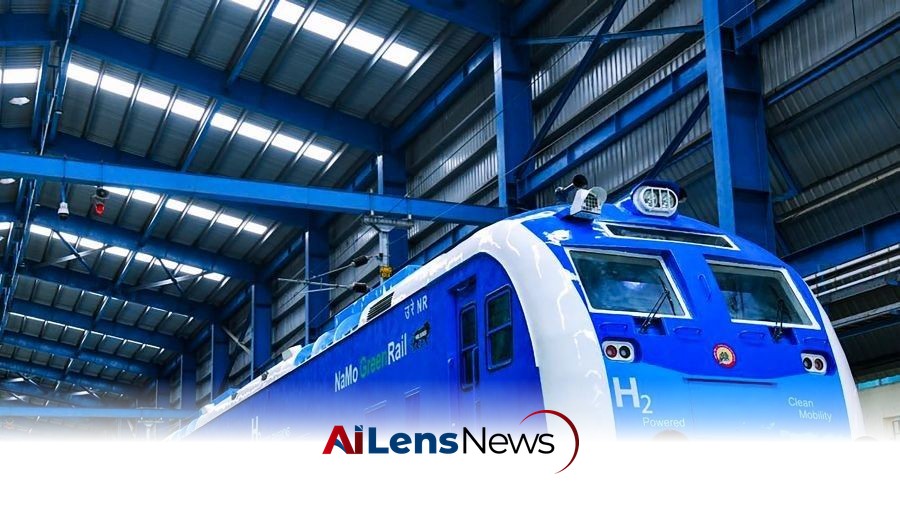


Prime Minister Modi will inaugurate India's first hydrogen-powered train from Jind, marking a significant step towards sustainable rail transport.
Kohima, India Jul 15, 2026 ALN: Prime Minister Narendra Modi will flag off India's first hydrogen-powered train from Haryana's Jind on July 17, marking India's entry into a select group of nations exploring hydrogen for cleaner rail transportation. This significant development is not merely a technological advancement but also a reflection of India's commitment to a sustainable future and its ambition to reduce carbon emissions in line with global climate goals.
The hydrogen train, which will run between Jind and Sonipat, is a major achievement for both Haryana and the nation. The project reflects Indian Railways' broader commitment to innovation, energy efficiency, and environmentally sustainable transportation, supporting India's national clean energy and net-zero carbon emission goals. The introduction of hydrogen-powered trains is expected to pave the way for a more eco-friendly railway system, which is crucial given the increasing concerns over air pollution and climate change.
The Jind-Sonipat section has been identified as the pilot route for these operations. This choice of route is strategic, as it allows for a controlled environment to test and optimize the hydrogen train technology. An indigenous hydrogen storage and refuelling facility has been set up in Jind for the train set, which underscores India's growing capabilities in hydrogen technology. The Petroleum and Explosives Safety Organisation (PESO) has granted the required licence for the storage and dispensing of compressed hydrogen gas at the site, ensuring that safety standards are met in this innovative venture.
With the launch of the hydrogen-powered train, India joins a select group of countries, including Germany, Japan, China, and the United States, that are exploring the use of hydrogen for cleaner rail transportation. As the technology is still at a nascent stage, only a limited number of countries are currently operating or testing such systems, an official statement said. This places India in a unique position to not only adopt this technology but also potentially lead in its development and deployment in the region.
Hydrogen fuel cell technology generates electricity through a chemical reaction using hydrogen, with water vapour as the only emission, making it a clean alternative to conventional fossil fuel-based traction systems. This technology is particularly appealing as it aligns with global efforts to transition towards sustainable energy sources. Hydrogen-based rail systems are increasingly being recognised globally as a promising solution for sustainable mobility. The shift to hydrogen fuel represents a significant step away from reliance on diesel and other fossil fuels, which contribute to greenhouse gas emissions and environmental degradation.
A hydrogen compression system has been provided for refuelling operations, along with the necessary technical support and critical spares to ensure reliable, fail-safe operation. Provision of a standby compressor unit is also being ensured. This infrastructure is crucial for the long-term viability of hydrogen trains, as it allows for efficient and safe refuelling, which is essential for maintaining operational schedules and reliability.
Various safety sensors, including hydrogen leak detectors and flame detectors, installed at the hydrogen production, storage, and dispensing facility will be regularly inspected and cleaned to prevent dust accumulation and ensure safe operation. Safety is paramount in any new technology deployment, especially one involving hydrogen, which is highly flammable. Operation and maintenance manuals for the hydrogen train-set and hydrogen plant, duly approved by RDSO, are also being made available to ensure that all personnel are adequately trained and informed about the systems in place.
Necessary safety provisions, regular audits, and standard operating procedures are being ensured for the proposed maintenance facility at Shakurbasti, said the government. This facility will serve as a critical support hub for the hydrogen train operations, ensuring that all maintenance activities are conducted in accordance with established safety protocols. The approval also mandates comprehensive safety and operational protocols, including 24/7 monitoring of the hydrogen refuelling system, deployment of trained and certified personnel for critical operations, and regular inspection and maintenance schedules.
During the initial phase of operations, trained technical staff will accompany the train to ensure smooth functioning. This hands-on approach will facilitate immediate troubleshooting and maintenance, which is essential for the successful integration of this new technology into the existing railway system. The presence of trained personnel will also help in gathering valuable operational data that can inform future expansions of the hydrogen train network.
The implications of this launch extend beyond the immediate operational benefits. The move towards hydrogen-powered trains aligns with India’s broader ambitions of becoming a leader in clean energy technology. As countries around the world strive to meet the Paris Agreement targets and other environmental commitments, innovations in transportation will be crucial. Hydrogen trains could potentially reduce the carbon footprint of rail travel significantly, making it a more attractive option for both passengers and freight.
Moreover, the success of this pilot project could encourage further investments in hydrogen technology in India. It may lead to the development of a more extensive hydrogen infrastructure, including production facilities, distribution networks, and additional refuelling stations. This could spur economic growth, create jobs, and position India as a significant player in the global hydrogen economy.
In conclusion, the launch of India's first hydrogen-powered train is a landmark event in the country’s transportation history. It signifies a commitment to sustainable development and innovation, potentially transforming the future of rail travel in India. As the nation embarks on this new journey, the outcomes of this pilot project will be closely monitored, and its success could herald a new era in environmentally friendly transportation solutions for the country.
To learn more about the latest developments in Product Innovations, stay updated with our exclusive reports and analyses on AiLensNews.

