

Gujarat launches the sixth edition of Robofest, a robotics competition with a ₹5 crore prize pool, alongside significant MoUs to enhance drone technology.
Gandhinagar, India Jul 16, 2026 ALN: Gujarat has launched the sixth edition of 'Robofest Gujarat', a national-level robotics competition carrying a total prize pool of ₹5 crore, as the state seeks to strengthen innovation and skill development in artificial intelligence, robotics, and other advanced technology sectors.
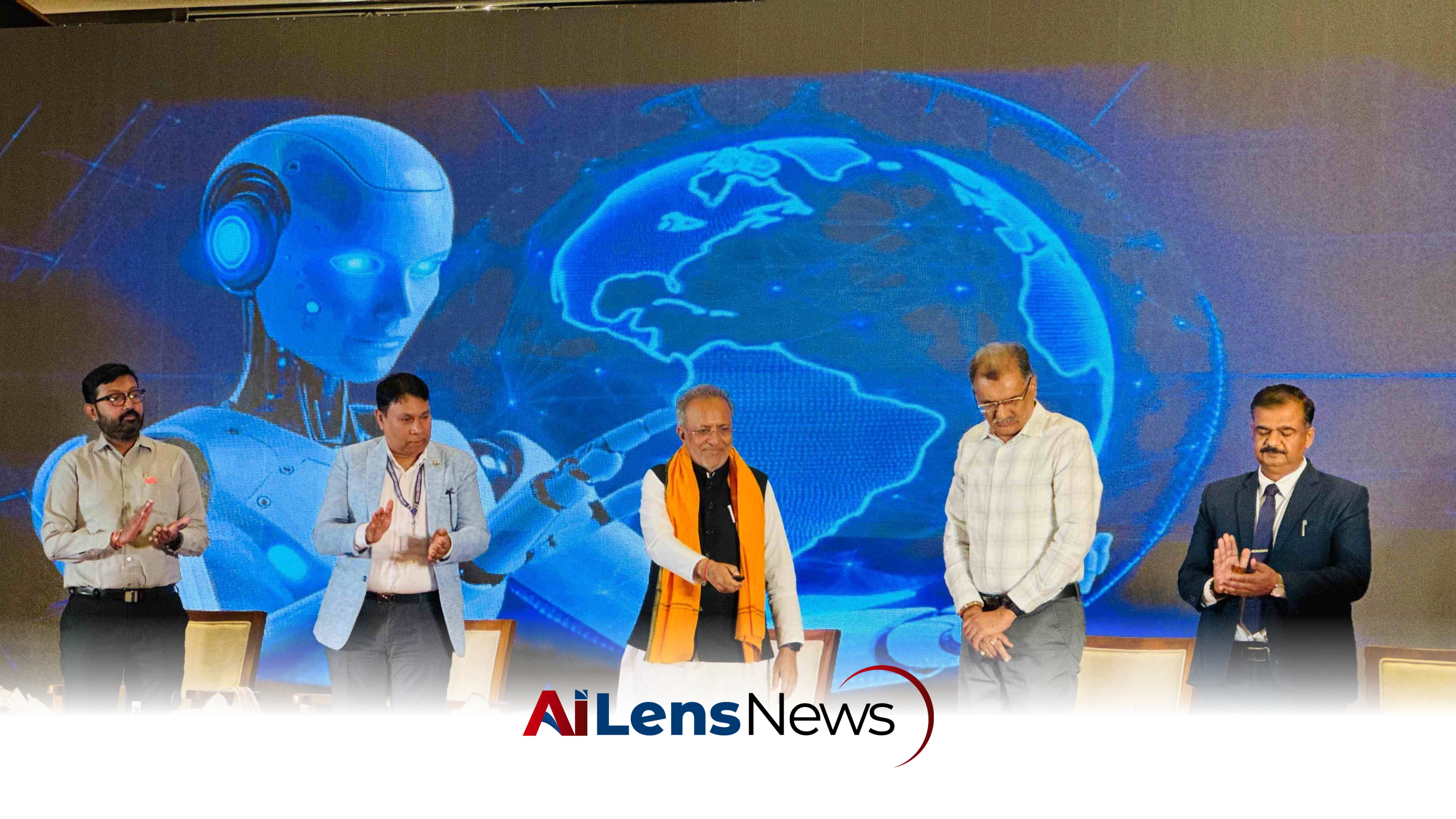
The competition, Robofest Gujarat 6.0, was launched in Gandhinagar on Wednesday by Science and Technology Minister Arjun Modhwadia. This event is part of a broader initiative by the Gujarat government to promote technological advancement and foster a culture of innovation among its youth.
The launch of Robofest 6.0 is significant as it aligns with India’s increasing focus on technology and innovation, particularly in the fields of robotics and artificial intelligence. The competition aims to inspire students and young professionals to engage in these emerging sectors, which are expected to play a pivotal role in the country's economic growth and development in the coming years.
At the event, two memoranda of understanding (MoUs) were signed to expand drone research infrastructure and promote technology commercialization. These agreements are expected to bolster the state's capabilities in developing and deploying drone technology, which has applications in various sectors including agriculture, surveillance, disaster management, and logistics.
Addressing the launch, Modhwadia emphasized that Gujarat had evolved beyond its traditional industrial strengths to become a hub for emerging technology sectors. He stated, "Gujarat has today emerged from being a state with traditional infrastructure into a global hub for high-tech 'sunrise sectors' such as semiconductors, robotics, artificial intelligence, and hyperscale data centers." This statement reflects the government's commitment to transforming the state into a leader in technology innovation.
The minister noted that the Gujarat Department of Science and Technology, established in 2006 under the then Chief Minister Narendra Modi, is now working across 11 major verticals, including space technology, biotechnology, and the upcoming Quantum Mission. This diversification of focus areas indicates a strategic approach to harness the potential of various scientific fields.
Modhwadia highlighted the transformation in science education, stating that students are now building sophisticated robots that integrate mechanical, electrical, and information technology through platforms such as Robofest. This shift not only enhances students' technical skills but also prepares them for future careers in high-demand fields.
Highlighting the growing role of robotics, Modhwadia pointed out that the technology has become essential not only for scientific research but also for healthcare and national security. He cited recent medical achievements, mentioning that seven complex liver transplants had been successfully performed using robotic surgery at the Institute of Kidney Diseases and Research Centre (IKDRC). This example underscores the practical applications of robotics in improving healthcare outcomes.
Furthermore, he emphasized that modern warfare is increasingly being conducted using advanced robots, drones, and remotely operated weapon systems, making self-reliance in robotic engineering vital for protecting the country's sovereignty and border security. This acknowledgment of the strategic importance of technology in defense aligns with broader national security objectives.
Modhwadia also discussed India's evolving role in semiconductor manufacturing, stating that the country, which had limited presence in this sector until 2022, is now positioned to become a significant global player, with Gujarat making a major contribution. He mentioned that six of the country's 12 major semiconductor projects currently under development are located in Gujarat, highlighting the state's pivotal role in this critical industry.
In addition to semiconductors, the minister noted that India is preparing to become a leading destination for hyperscale data centers over the next five years through substantial investment. This move is part of a broader strategy to enhance the country's digital infrastructure and support the growing demand for data storage and processing capabilities.
"This scientific evolution and the innovative ideas of young people must be transformed into startups and commercial ventures if the Prime Minister's vision of 'Viksit Bharat@2047' is to be realized," he said. This statement reflects the government's ambition to foster entrepreneurship and innovation as key drivers of economic growth.
The competition's theme this year is "AI-Powered Robotics Innovation Challenge," with the objective of encouraging artificial intelligence and robotics skills among young students and preparing researchers capable of competing globally. This focus on AI and robotics is timely, considering the global trend towards automation and intelligent systems.
The ₹5 crore prize fund will support winners and prototype developers across different stages of the competition. The event will be conducted at two levels, catering to a wide range of participants. The junior category is open to students from Classes 9 to 12, as well as ITI and diploma students, while the senior category is open to first, second, and third-year undergraduate students studying science, technology, engineering, and mathematics (STEM). This inclusivity is designed to engage a broad spectrum of young talent.
Participants will progress through three competitive stages before the grand finale, expected to be held in February 2027. This multi-stage approach not only allows for a thorough evaluation of participants' skills but also encourages continuous learning and improvement throughout the competition.
During the program, GUJCOST signed an MoU with Rashtriya Raksha University (RRU) to establish a statewide 'Drone Laboratory Network'. RRU Pro-Vice Chancellor Dr. Kalpesh Vadhera stated that the initiative would create a hub-and-spoke network of drone laboratories and training facilities across Gujarat, supporting education, security, skill development, and innovation. This initiative is expected to provide hands-on training and resources for students and professionals interested in drone technology.
"Today we are witnessing a technological revolution driven by artificial intelligence, robotics, and drones. This partnership will build a drone training ecosystem and laboratories across Gujarat while preparing a skilled workforce, researchers, and technology leaders," he added. This highlights the importance of collaboration between educational institutions and government bodies in fostering innovation.
A second MoU was signed between GUJCOST and the National Research Development Corporation (NRDC) to promote technology transfer, intellectual property protection, licensing support, and industry-academia collaboration involving universities, research institutions, startups, and micro, small, and medium enterprises (MSMEs). This agreement aims to bridge the gap between research and commercialization, facilitating the transition of innovative ideas into market-ready products.
NRDC Chairman and Managing Director Bijay Kumar Sahu described the agreement as "not merely a partnership, but an opportunity to co-create and celebrate innovation for nation-building." This perspective underscores the broader societal impact of technological advancement and innovation.
"NRDC's objective was to establish 'Mind to Market' and 'Lab to Land' connectivity. Indigenous technology development was essential to reduce dependence on imported technologies and support the vision of an Atmanirbhar Bharat," he said. This emphasis on self-reliance in technology development aligns with national economic goals.
GUJCOST Director General Digvijaysinh Jadeja stated: "Robofest Gujarat is the state government's flagship robotics program, and the newly signed agreements would provide students with greater opportunities in practical education, engineering, research, design, and entrepreneurship." This statement reflects the government's commitment to enhancing educational opportunities and fostering a culture of innovation among students.
The program also featured live demonstrations of award-winning robots developed by winners of Robofest Gujarat 5.0, allowing students and invited guests to observe robotics applications designed to address real-world challenges. These demonstrations serve to inspire participants and showcase the practical applications of robotics in various fields, reinforcing the importance of hands-on experience in education.
As Gujarat continues to position itself as a leader in technology and innovation, events like Robofest Gujarat 6.0 play a crucial role in nurturing the next generation of engineers, scientists, and entrepreneurs who will drive the state's and the country's technological advancements in the years to come.
To learn more about the latest developments in Startup Innovations, stay updated with our exclusive reports and analyses on AiLensNews.

