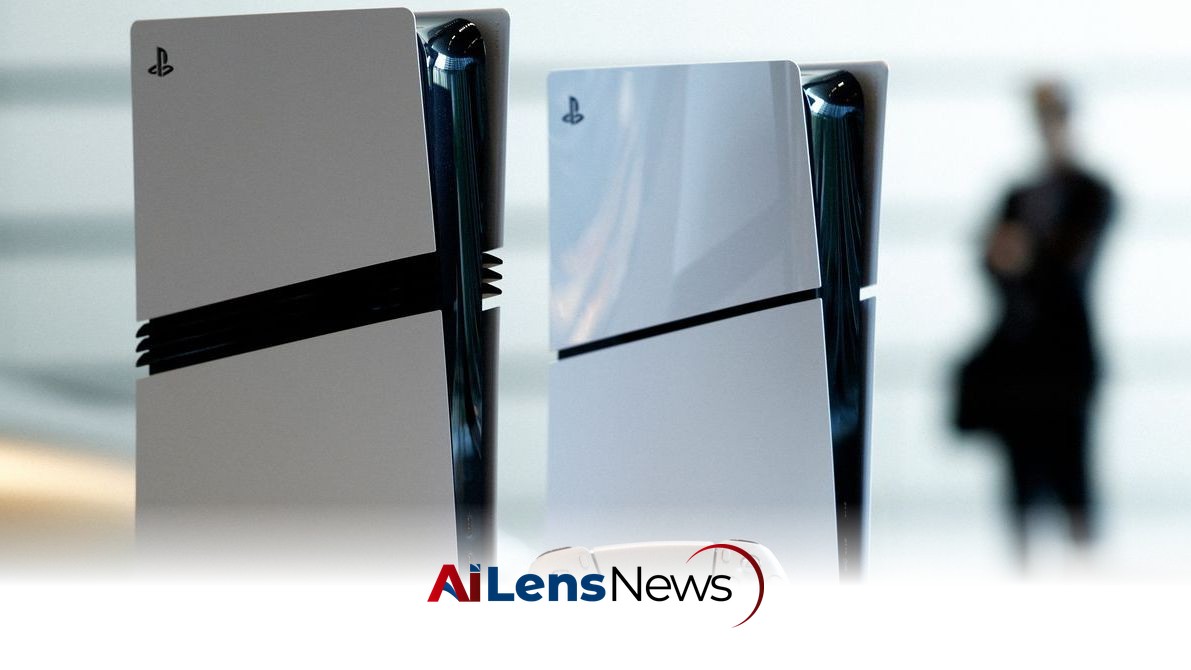


Fulu is challenging hackers to disable Sony's software locks on the PS5, offering a $10,000 bounty to promote ownership rights and device control.
New Delhi, India Jul 17, 2026 ALN: Using your PlayStation to play games is just fine. But what if you could use your Sony console to vibe code with your AI agents on Linux instead? That's what the ownership advocacy organization Fulu wants to make possible, and it’s willing to pay $10,000 to prove it can be done.
Helmed by YouTuber Louis Rossmann and fellow consumer advocate Kevin O'Reilly, Fulu pays bounties to the first person who proves they can fix or bypass product features that Fulu deems to be hostile to device owners. Fulu puts up the first $10,000, then will match donations up to another $10K. Since it started in late 2025, Fulu has paid out two bounties so far—one for a fix of Google’s outdated Nest thermostats and another for DRM-enabled Molekule air purifiers.
On Tuesday, Fulu announced a bounty that would reward hackers who could disable Sony’s proprietary software locks on its PlayStation 5 consoles and, in theory, allow a user to install an operating system like Linux on the gaming console.
“Make PlayStations computers again,” O'Reilly states. “Let's go back to general-purpose computing and understand that if we own the hardware, we should be able to put the software we want onto it.”
This initiative comes at a time when many consumers are increasingly concerned about their ownership rights over digital products. The concept of ownership has evolved significantly in the digital age, where purchasing a game or software often comes with restrictions that limit how it can be used. For instance, many digital purchases are governed by end-user license agreements (EULAs) that specify the extent of ownership, often leaving consumers feeling like they are merely renting the software rather than owning it outright.
In early July, Sony announced it was ending production of physical discs for all new games on its PS5 consoles. The move was controversial, inspiring consternation from gamers and advocacy groups, many of whom tend to like physical media and have qualms about PlayStation’s terms of service, which specifically state that buying a digital copy of a game does not mean you own it. This shift toward a digital-only future raises questions about the longevity and accessibility of games, as well as the implications for consumer rights.
“A lot of PlayStation owners are concerned about what's going to happen to their consoles,” O'Reilly says. “They fear that they can get rug-pulled at any moment.” This sentiment reflects a broader anxiety among consumers regarding the sustainability of digital ecosystems and the potential for companies to revoke access to purchased content or services.
The ongoing RAM shortage has raised costs across all sorts of goods, including consumer tech like Sony’s consoles. As prices go up, Fulu wants to show that the way to weather that expensive storm is to find a new way to rely on devices you already own. This idea of repurposing existing hardware aligns with a growing trend in the tech community toward sustainability and reducing electronic waste by maximizing the utility of devices that consumers have already purchased.
“Gaming consoles have significant amounts of computing power,” O'Reilly adds. “Why can't I repurpose that? If I'm trying to vibe code or set up agentic AI systems, why can't I use this box, this computer that I bought—that I own—to do what I want to do?” This perspective highlights a fundamental debate in the tech world about the rights of consumers versus the restrictions imposed by manufacturers. The potential to transform a gaming console into a versatile computing device could empower users to explore new applications and functionalities that the original design did not foresee.
However, like all of Fulu’s targets, there is a risk attached. Breaking through a company’s software restrictions may run afoul of Section 1201 of the Digital Millennium Act, legislation passed in 1998 that prohibits users from bypassing digital locks on software services. It’s a law that is punishable by fines and even jail time. This legal framework creates a chilling effect on innovation and experimentation, as potential developers may be deterred from pursuing projects due to the fear of legal repercussions.
To win a Fulu bounty, a person has to prove they have a fix, but they are not required to release it to the public if they are worried about potentially facing legal consequences. That means even if the PS5 jailbreak is accomplished, it may not be available for people to use widely. Fulu says the idea is less about actually making this relatively niche use case for the PS5 possible, and more about encouraging people to look differently at what control they have over their devices. This approach raises important questions about the role of community-driven innovation in a landscape dominated by corporate interests.
“Our ownership rights are under attack constantly,” O'Reilly concludes. “It's time that we had the conversation and we came back to the idea that computers are computers and we should be able to use them how we want to.” This statement underscores the ongoing struggle between consumer rights and corporate control, a theme that resonates across various sectors, including gaming, software, and digital media.
The implications of Fulu's initiative extend beyond just the potential for running Linux on the PS5. It represents a broader movement advocating for digital ownership and the right to modify and repurpose technology. As more consumers become aware of their rights and the limitations imposed by manufacturers, there may be increasing pressure on companies to adopt more consumer-friendly policies. This could lead to a reevaluation of how digital products are marketed, sold, and supported, potentially fostering a more open and innovative technological landscape.
In conclusion, Fulu's $10,000 bounty for enabling Linux on the PlayStation 5 is not just a technical challenge; it is a call to action for consumers to reclaim their rights over the devices they own. As the conversation around digital ownership continues to evolve, initiatives like this may play a crucial role in shaping the future of technology and consumer rights.
To learn more about the latest developments in Research & Breakthroughs, stay updated with our exclusive reports and analyses on AiLensNews.

