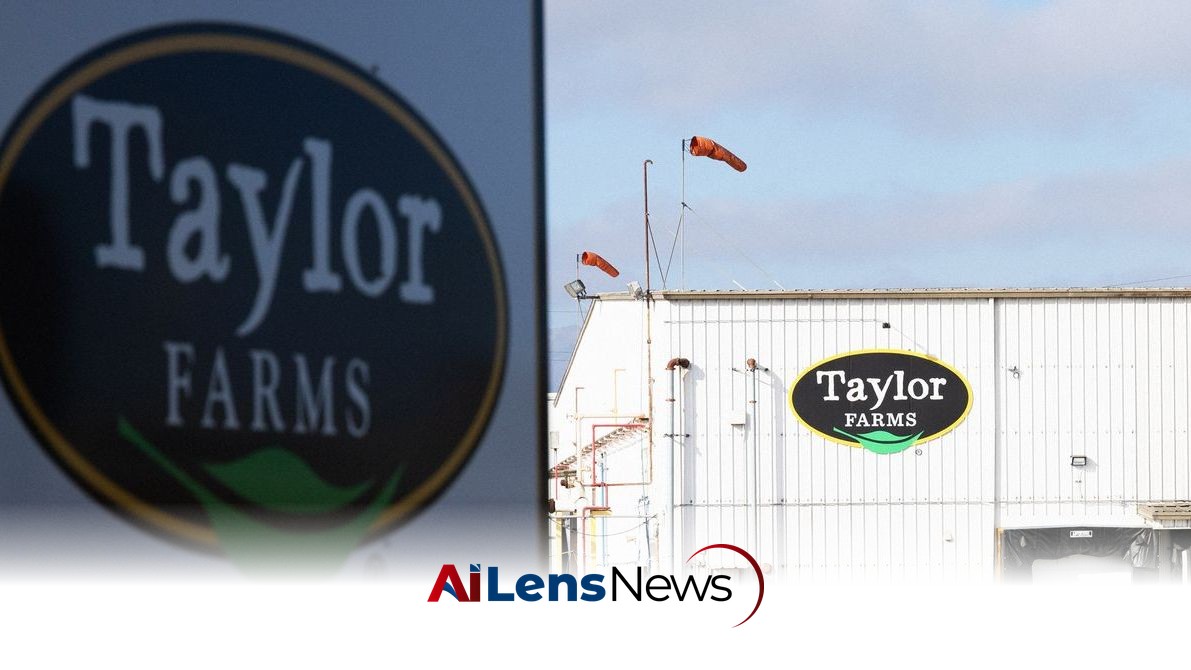


The FDA disputes Taylor Farms' claim of an apology regarding the cyclospora outbreak linked to its lettuce, emphasizing the ongoing recall.
New Delhi, India Jul 21, 2026 ALN: In the middle of a diarrhea shitstorm, the Food and Drug Administration (FDA) and lettuce supplier Taylor Farms appear to be facing off in a passive aggressive battle of technicalities. The situation has raised significant public health concerns, particularly as cyclospora, a parasite that leads to gastrointestinal illness, has been linked to widespread outbreaks of illness across multiple states.
On July 17, the California-based company issued a voluntary recall on iceberg lettuce sourced from Central Mexico. This recall was initiated after reports emerged of individuals across at least five states suffering from cyclosporiasis, a parasitic infection characterized by symptoms such as severe diarrhea, nausea, and abdominal cramping. The infection is caused by the Cyclospora cayetanensis parasite, which is often found in contaminated food or water.
The next day, the FDA announced that it had detected the parasite in a sample of Taylor Farms lettuce that wasn’t part of the initial recall. This announcement raised alarms about the potential for further contamination and illness. However, the following day, both the company and the FDA stated that the test result was actually a false positive. This discrepancy highlighted the challenges associated with testing for foodborne pathogens, particularly in the context of a rapidly evolving outbreak.
“Today, the FDA apologized to us,” Taylor Farms then posted on its X account on July 19. This statement suggested a resolution of sorts between the two parties, but the FDA did not agree with that interpretation. On July 20, an agency official clarified to reporters that it did not offer the company an “official apology.” Instead, the official explained that the agency was primarily focused on providing factual information about the complexities involved in testing for and tracing the sources of cyclospora outbreaks. This clarification indicated a need for transparency and accuracy in communication during public health investigations.
The agency emphasized that the recall—which spans 27 states, and includes certain lettuce sold to Taco Bell and Walmart—still stands. “To clarify, this false-positive lab sample DOES NOT change the basis for FDA’s ongoing outbreak investigation or the overwhelming epidemiological data supporting the current voluntary recall by Taylor Farms,” it posted on X. This statement underscored the FDA's commitment to ensuring public safety and the importance of continued vigilance in monitoring food products.
In its July 19 post, Taylor Farms also claimed that the FDA “has not identified a single positive product test result for Cyclospora.” While this statement is technically accurate, it glosses over the inherent challenges associated with accurately testing for the parasite. Cyclospora is notoriously difficult to detect in food samples, and many foodborne illness investigators often rely on epidemiological evidence rather than laboratory testing results to trace the origins of outbreaks.
Many foodborne illness investigators determine the source of outbreaks without ever testing products. Instead, they utilize epidemiological evidence, such as interviewing individuals who have tested positive for the infection, to identify commonalities among those affected. This method can involve tracking back through supply chains, assessing food preparation practices, and examining distribution channels to pinpoint the source of contamination.
Taylor Farms has reportedly taken issue with how the FDA and the Centers for Disease Control and Prevention (CDC) have conducted their weeks-long investigation into the source of the outbreak. A spokesperson for the company indicated that last week, they met with White House and FDA officials to discuss what they termed “shortfalls” in the government organizations’ response processes. The New York Times reported that during this meeting, which took place on July 16, the day before Taylor Farms issued its recall, executives attempted to cast doubt on the FDA and CDC’s conclusions regarding the outbreak's source.
The situation has drawn attention not only for its immediate implications for public health but also for the broader context of food safety regulations and the responsibilities of food suppliers. As outbreaks of foodborne illness continue to occur, the effectiveness of regulatory agencies and the protocols they employ to ensure food safety are under scrutiny. The interplay between regulatory agencies and food suppliers is critical in addressing public health risks, and any miscommunication or misunderstanding can exacerbate the situation.
Since May, thousands of people have been sickened with cyclosporiasis, as health officials have struggled to pinpoint the source of the outbreak. Authorities in Michigan report that they have counted 6,148 cases in that state alone, but experts have indicated that the actual number of cases nationwide is likely higher than what has been reported. The discrepancy between reported cases and actual cases can be attributed to various factors, including underreporting by affected individuals, variations in symptom severity, and differences in access to healthcare.
The implications of this outbreak extend beyond the immediate health risks. They also raise questions about the food supply chain, consumer trust in food safety, and the effectiveness of recall procedures. As consumers become increasingly aware of foodborne illnesses, they may demand greater transparency from food suppliers and regulatory agencies alike. This demand for accountability can drive changes in how food safety is managed and how information is communicated to the public.
In light of these developments, it is crucial for both the FDA and Taylor Farms to work collaboratively to address the ongoing outbreak and restore public confidence in food safety. Clear communication, transparency in testing and recall processes, and a commitment to addressing the root causes of foodborne illnesses will be essential in mitigating the risks associated with future outbreaks. As the investigation continues, stakeholders from various sectors will be watching closely to see how this situation unfolds and what lessons can be learned to prevent similar incidents in the future.
To learn more about the latest developments in Research & Breakthroughs, stay updated with our exclusive reports and analyses on AiLensNews.

