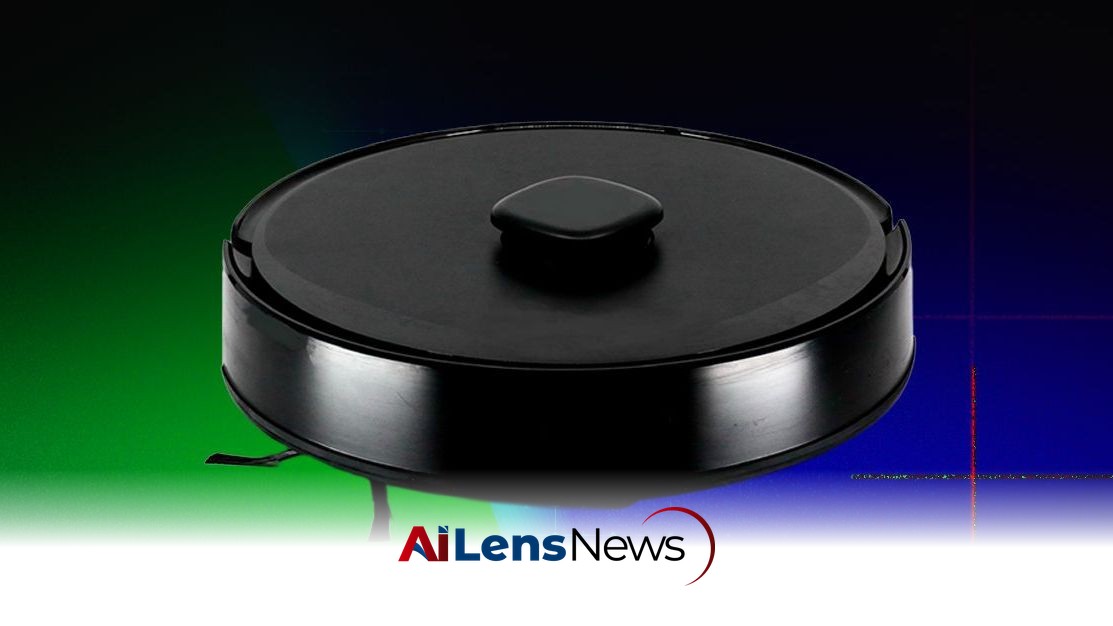


The FCC's new rule banning foreign-made advanced mobile robots affects robot vacuums, limiting future models in the U.S. market. Here's what you need to know.
New Delhi, India Jul 31, 2026 ALN: This week, the US Federal Communications Commission (FCC) enacted a ban on the importation of foreign-made advanced mobile robots, which notably includes robot vacuums. This decision has significant implications for consumers, manufacturers, and the broader technological landscape in the United States.
The FCC's ban is particularly focused on advanced mobile robots, which are defined as autonomous devices capable of navigating and operating in various environments without direct human control. Not only does this include humanoid and quadruped robots, which mimic human and animal forms, but it also encompasses devices like robot vacuums, automated lawn mowers, and robotic pool cleaners. The immediate effect of this ban is that while existing robot vacuums remain available and operational, new models from foreign manufacturers will not receive the necessary FCC approval to be sold in the United States.
This regulatory move is rooted in national security concerns. The FCC updated its Covered List to include these foreign-made robots under Section 2 of the Secure and Trusted Communications Networks Act of 2019. This legislation aims to identify and mitigate risks posed by communications equipment that could jeopardize national security or the safety of U.S. citizens. The inclusion of robot vacuums in this list may seem excessive at first glance, yet the definition of 'advanced mobile robots' encompasses a range of features that these devices possess.
According to the National Security Determination, an advanced mobile robot is characterized by several technical capabilities: they can move autonomously, avoid obstacles, and navigate their environment; they operate independently from human operators; they weigh more than 4.4 pounds; they are equipped with sensors to perceive their surroundings; they have network connectivity options such as Bluetooth and Wi-Fi; and they utilize software, including firmware and AI, for navigation and operational tasks. This broad definition raises questions about the balance between innovation in consumer technology and the necessity of safeguarding national security.
The rationale behind this ban centers on the vulnerabilities posed by the networked capabilities of these advanced robotic systems. The FCC has expressed concerns that the cameras, sensors, and internet connectivity inherent in these devices could serve as vectors for cyberattacks, potentially allowing malicious entities to manipulate the data or physical operation of the robots. The fear is that these devices could be exploited to invade personal privacy or even compromise home security.
Interestingly, while robot vacuums are now subject to this ban, other connected devices such as smart speakers or home security cameras, which also feature cameras and internet connectivity, have not been included in the FCC's restrictions. This inconsistency raises questions about the criteria used to determine which devices pose a security risk and which do not. The FCC's documentation highlights instances of humanoid robots being hacked and mentions the security risks associated with devices that stream live video feeds, yet it does not provide specific examples of security breaches involving robot vacuums.
In essence, the FCC's decision appears to be a precautionary measure that may have inadvertently affected a category of products that, while equipped with advanced technology, do not necessarily represent the most significant risks to consumers. Robot vacuums utilize sensors to map and navigate homes, but they do not transmit live video feeds or store sensitive personal data in the same way that other smart devices do. This raises the question of whether the ban is a proportionate response to the perceived threat.
As for the immediate future, consumers can continue to purchase robot vacuums and similar automated cleaning devices without disruption, as existing models have already received FCC approval. However, the long-term implications of this ban could lead to a significant reduction in the variety of products available in the U.S. market. As new models from foreign manufacturers are effectively barred from entry, consumers may find themselves with fewer choices and potentially higher prices as competition diminishes.
In response to the ban, some manufacturers have expressed their positions. Eufy, a well-known brand in the robot vacuum space, confirmed their awareness of the FCC's recent update and reassured customers that their current products will remain available and supported. Other manufacturers, such as Shark and Dreame, did not provide comments, leaving uncertainty about their plans moving forward. The situation remains fluid, and it will be interesting to see how different companies navigate this regulatory landscape.
For consumers interested in purchasing a new robot vacuum, it may be wise to act quickly. Brands like Dreame and Eufy could face challenges in bringing future models to the U.S. market, so those looking for the latest innovations may want to consider purchasing these products sooner rather than later. Meanwhile, U.S.-based companies such as Shark may have a competitive advantage, provided that their manufacturing processes do not rely on foreign production.
The timing of this ban is particularly noteworthy, as it coincides with the IFA Berlin trade show, which is set to showcase new technology, including robot vacuums. With the ban in place, it is unlikely that any new models announced at the event will be available to U.S. consumers, further limiting options in the domestic market.
The broader implications of the FCC's ban extend beyond robot vacuums. It signals a growing trend of regulatory scrutiny over foreign technology and highlights the increasing concerns surrounding cybersecurity and data privacy. As the landscape of consumer technology continues to evolve, manufacturers may need to adapt their strategies to comply with new regulations while still meeting consumer demands.
In conclusion, the FCC's ban on foreign-made robot vacuums and other advanced mobile robots raises important questions about the intersection of technology, consumer choice, and national security. While the immediate impact may not be felt by current robot vacuum owners, the long-term consequences could reshape the market landscape, limiting options for consumers and potentially driving up prices. As the situation develops, it will be crucial for consumers, manufacturers, and policymakers to engage in ongoing discussions about the balance between innovation and security in an increasingly connected world.
To learn more about the latest developments in Product Innovations, stay updated with our exclusive reports and analyses on AiLensNews.

