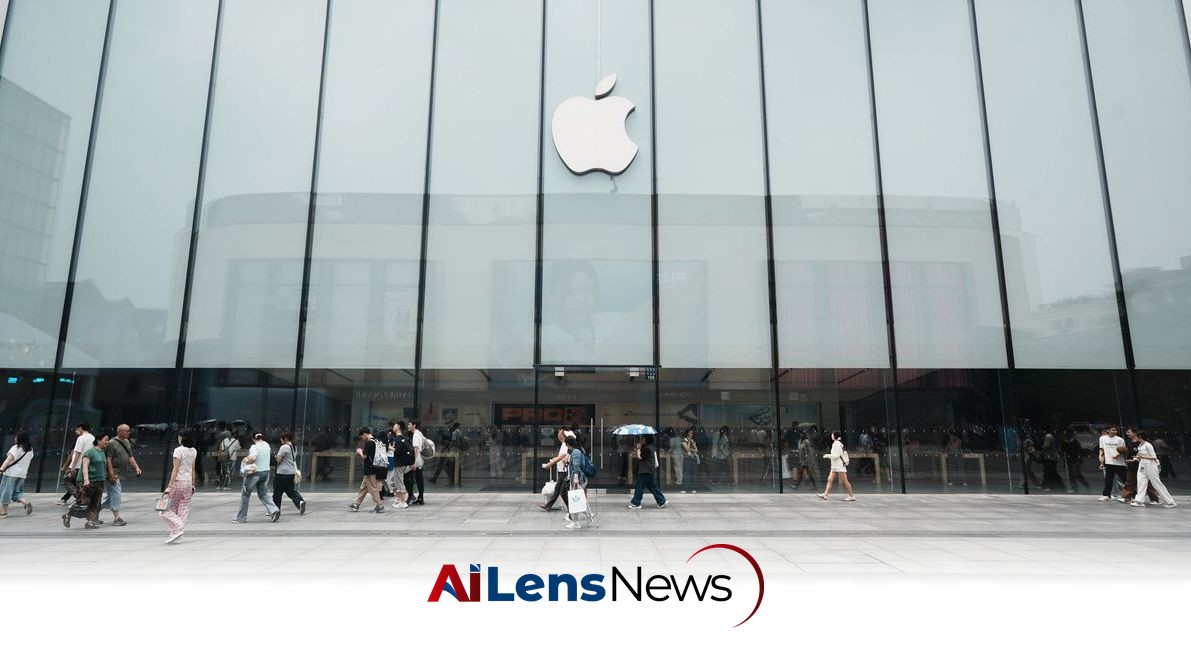


The ongoing AI-driven chip shortage is causing prices for consumer electronics to rise, impacting everything from smartphones to gaming consoles.
New Delhi, India Jul 3, 2026 ALN: If you're in the market for anything with a memory chip in it, now might be the time to snag it.
Another round of price increases for consumer electronics seems to be underway. In June, Apple announced increased prices for its MacBooks and iPads. Xbox consoles are also getting more expensive starting in August. This is on the heels of already-raised prices on such products as Sony’s PlayStation 5 Pro and, you know, oil, which has raised gas prices and added to the cost of shipping something to you.
This fresh bout of price increases—following last year’s tariffs—is driven by many factors, but the chief culprit is the ongoing memory shortage, i.e., software component producers making it a priority to manufacture chips for AI data centers over other tech that requires them. If this were a short-term issue, the companies affected would likely have absorbed the costs. But the memory shortage does not seem to be disappearing anytime soon, and the AI bubble has not exactly popped yet. Too much demand for too little supply usually means the inevitable—companies pass their costs on to consumers via upward-creeping prices.
“In the past, you maybe could have waited out little blips like this,” says Shawn DuBravac, chief economist at the Global Electronics Association, which reports on the memory shortage and the industries it affects. “I don't think that’s the case here. Waiting is not a strategy right now and probably won’t be for the foreseeable future.”
DuBravac says the move to avoid price hikes is to buy refurbished gear, but if you need something new, then keep an eye out for what price increases have already hit. If something hasn’t seen a price hike yet, it may soon. But even if prices have increased, this may be the best base price you’ll see in a while.
“They are very intentional in their pricing, and there’s a lot of coordination that goes along with all of that,” DuBravac says. “If you're looking at products that have already had a price increase, you probably have a little bit of time to think about it.”
Just buying everything you want right this second is not realistic for people who feel financially strapped. People are feeling the pinch as the specter of back-to-school and holiday product cycles looms.
“People are worried that they're going to have to pay a lot of money for the next device or the next purchase,” says Thibaud Hug de Larauze, the CEO of the secondhand marketplace Back Market. “The bad thing about that is just pushing people to upgrade more rapidly because they’re scared of inflation, basically.”
The bright spot on all this mess might be that refurbished and secondhand markets built to support and resell used products are booming. Buying refurbished tends to be more ethical and eco-friendly than buying something new. And now is a particularly good time to look into the secondhand market for devices like phones.
Sean Cleland, the vice president of Mobility tech at the recommerce company B-Stock, says used smartphones are selling for 10 to 20 percent more than they were in December 2025. In a normal year, those numbers would have likely been flipped, with used phones depreciating. But demand for refurbished products has gone up.
“The supply chain will correct eventually,” Cleland says. “Secondary market pricing will go back to normal depreciation, but it will continue being a step above what it was in 2025. It just never comes all the way back.”
A more vibrant resale market means more people are giving refurbished devices a shot. It might be out of necessity, but it’s led to a booming industry that helps secondhand devices find new lives instead of heading to the landfill. Manufacturers have also leaned into their own resale programs, offering buyback or trade-in programs for phones, computers, tablets, watches, and headphones. Selling that gear on third-party marketplaces is also likely to earn more as long as these shortages keep up.
“You're going to get way more from that phone than you ever would before,” Cleland says. “Take advantage of it; there's trade-in and resale value in all that stuff.”
The current state of consumer electronics pricing is indicative of broader economic trends that have been affecting various sectors. The COVID-19 pandemic has had a lasting impact on supply chains, which were already strained before the global health crisis. The demand for electronics surged during lockdowns as people turned to technology for work, education, and entertainment. This sudden spike in demand coincided with factory shutdowns and shipping delays, creating a perfect storm for supply shortages.
As economies began to reopen, the demand for electronics remained high, but supply chains struggled to catch up. The semiconductor industry, which produces the memory chips essential for consumer electronics, has been particularly hard hit. Major manufacturers have had to prioritize production for high-demand sectors, such as automotive and AI, further exacerbating the shortages in consumer electronics.
In addition to the memory chip shortage, rising costs of raw materials and logistics have also played a significant role in driving up prices. The increase in oil prices, for instance, has not only affected shipping costs but has also had a ripple effect on the prices of goods across the board. As manufacturers face higher operational costs, they often pass these expenses onto consumers, leading to increased retail prices.
The implications of these price increases extend beyond just consumer electronics. As families prepare for back-to-school shopping and the holiday season, many are finding their budgets stretched thinner than usual. The concern over rising prices is prompting some consumers to delay purchases, which could have a cascading effect on overall retail sales. Retailers may find themselves in a precarious position if consumer spending diminishes, particularly during crucial sales periods.
Moreover, the trend towards buying refurbished and secondhand products may have long-term implications for consumer behavior. As more people turn to the secondhand market out of necessity, it could signal a shift in how consumers value new versus used products. The growing acceptance of refurbished items may lead to a more sustainable consumption model, where consumers prioritize longevity and resource efficiency over the allure of the latest gadgets.
In conclusion, while the current price increases in consumer electronics may be frustrating for consumers, they reflect a complex interplay of supply chain challenges, economic pressures, and shifting consumer behaviors. As the market adjusts, individuals may find opportunities in the burgeoning secondhand market, which not only offers financial relief but also promotes environmental sustainability. The landscape of consumer electronics is evolving, and those willing to adapt may find new ways to navigate the changing tides of pricing and availability.
To learn more about the latest developments in Product Innovations, stay updated with our exclusive reports and analyses on AiLensNews.

