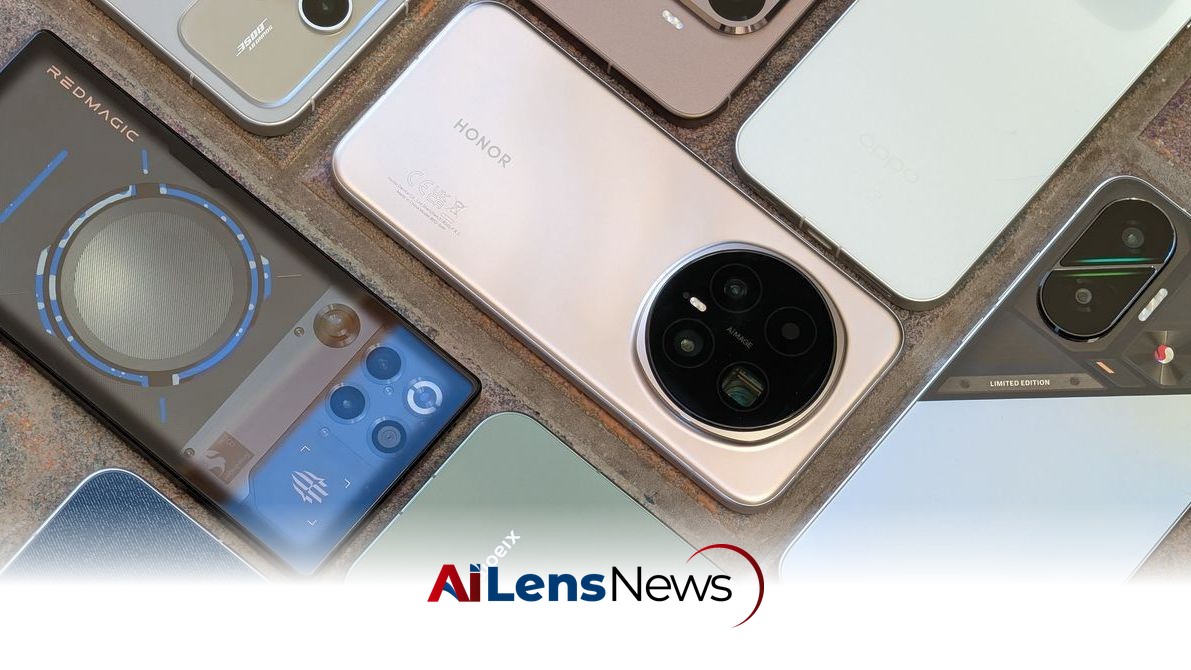


Explore top smartphones unavailable in the US market, featuring brands like Xiaomi and Honor, known for their innovative technology and design.
New Delhi, India Jul 3, 2026 ALN: There’s a world of excellent flagship smartphones that push photography to new levels and budget buys that confound expectations, but you won't find them in the US, for various reasons. Some Chinese phone manufacturers are banned, while other brands prefer to focus their efforts in countries where Apple doesn't have a massive market share. Whatever the reason, I've tested these global handsets for years—these are the best phones you can’t officially buy in the US.
Many of these phone makers like to release multiple devices under sub-brands, so here are some basic facts to know: Xiaomi is the brand behind Poco and Redmi; Nubia came from ZTE; Honor was a Huawei subsidiary but separated after Huawei was banned; and Realme spun out of Oppo. Before diving in, it’s worth noting that folks in the UK and elsewhere in Europe can also buy many of the phones in our Best Android Phones, Best iPhones, and Best Cheap Phones guides on sale in the US.
Updated March 2026: I added the Xiaomi 17 Ultra as my new top pick, the Poco X8 Pro as my budget pick, mentions for phones from Honor, Oppo, and Xiaomi, removed several discontinued models, and updated impressions and prices.
The latest flagship sailing out of Xiaomi is the 17 Ultra (there was no 16), and I’m ready to crown it camera king. The now familiar design, with that huge circular camera module on the back, has ostensibly dropped a lens, but the main 50-megapixel shooter boasts a new 1-inch sensor and lens pairing that helped me capture stunning shots in a variety of scenarios. There’s just one telephoto lens this year, but it’s a 200-megapixel shooter that slides between 3.2X (75 mm) and 4.3X (100 mm) optical zoom. A 50-megapixel ultrawide and a 50-megapixel front-facing camera round out a truly top-notch camera system.
The rest of the phone ain’t bad either, with a flat 6.9-inch OLED display, speedy processor, and generous RAM and storage. You also get improved battery life and fast or wireless charging. I love the speckly green finish (regular black or white are options). Xiaomi has committed to four Android updates and six years of security patches, too. But no device is perfect, so you'll have to deal with flaws like bloatware, Xiaomi’s HyperOS software, and that colossal camera bump. I also think Xiaomi’s AI features are slightly below par.
I highlighted Xiaomi leaning into its partnership with Leica in last year’s 15 Ultra, but it goes even further with the special edition Leitzphone (£1,699). If you don’t mind spending a chunk more, this retro-camera-style beauty adds Leica touches inside and out, but retains everything that makes the Xiaomi 17 Ultra so good.
In conclusion, while these smartphones are not available in the US market, they represent some of the best technological advancements and innovations in the smartphone industry. For those willing to explore options beyond the US, these devices offer exceptional features and performance.
The absence of these phones in the US market can be attributed to several factors, including trade restrictions, regulatory hurdles, and strategic business decisions made by manufacturers. For instance, the US government has imposed bans on certain Chinese technology companies, which has significantly impacted the availability of brands like Huawei and ZTE. Additionally, many of these manufacturers have chosen to focus on regions where they can compete more effectively against established players like Apple and Samsung.
This landscape has led to a situation where consumers in the US are missing out on innovative features that are often first introduced in these international markets. For example, Xiaomi's camera technology, which has garnered acclaim for its ability to capture high-quality images in low-light conditions and its advanced computational photography capabilities, remains largely inaccessible to US consumers. This is particularly significant as photography has become a key selling point for smartphones, with many users relying on their devices as their primary cameras.
Furthermore, the global smartphone market is characterized by rapid evolution and competition, with brands like Oppo, Honor, and Nubia continuously pushing the envelope in terms of design, functionality, and performance. These companies have invested heavily in research and development, resulting in devices that not only meet but often exceed the expectations of tech enthusiasts. The Xiaomi 17 Ultra, for instance, showcases cutting-edge technology that rivals even the most expensive flagship phones available in the US.
Another notable aspect of these international smartphones is their pricing strategy. Many of these brands offer high-performance devices at significantly lower prices compared to their US counterparts. This pricing advantage allows them to capture market share in regions where consumers are more price-sensitive. For example, the Poco X8 Pro, which is highlighted as a budget pick, offers impressive specifications at a fraction of the cost of similarly specced devices from Apple or Samsung, making it an attractive option for budget-conscious consumers.
The implications of these trends extend beyond just consumer choice. The absence of these devices in the US market can lead to a homogenization of the smartphone landscape, where consumers are limited to a narrow range of options dominated by a few major players. This lack of diversity can stifle innovation, as established companies may feel less pressure to innovate when faced with limited competition.
Moreover, as international brands continue to grow and expand their presence in markets outside the US, they may develop features and technologies that could eventually influence the global smartphone market. For instance, advancements in battery technology, display quality, and camera capabilities from these brands could set new standards that US manufacturers would need to meet to remain competitive.
In summary, while the US market remains a significant player in the global smartphone industry, the exclusion of certain brands and models presents both challenges and opportunities. Consumers in the US may miss out on some of the most innovative and cost-effective smartphones available today, while international brands continue to thrive in regions where they can operate without the same level of regulatory scrutiny. As the smartphone landscape continues to evolve, it will be interesting to see how these dynamics play out and what impact they will have on consumers and manufacturers alike.
To learn more about the latest developments in Product Innovations, stay updated with our exclusive reports and analyses on AiLensNews.

