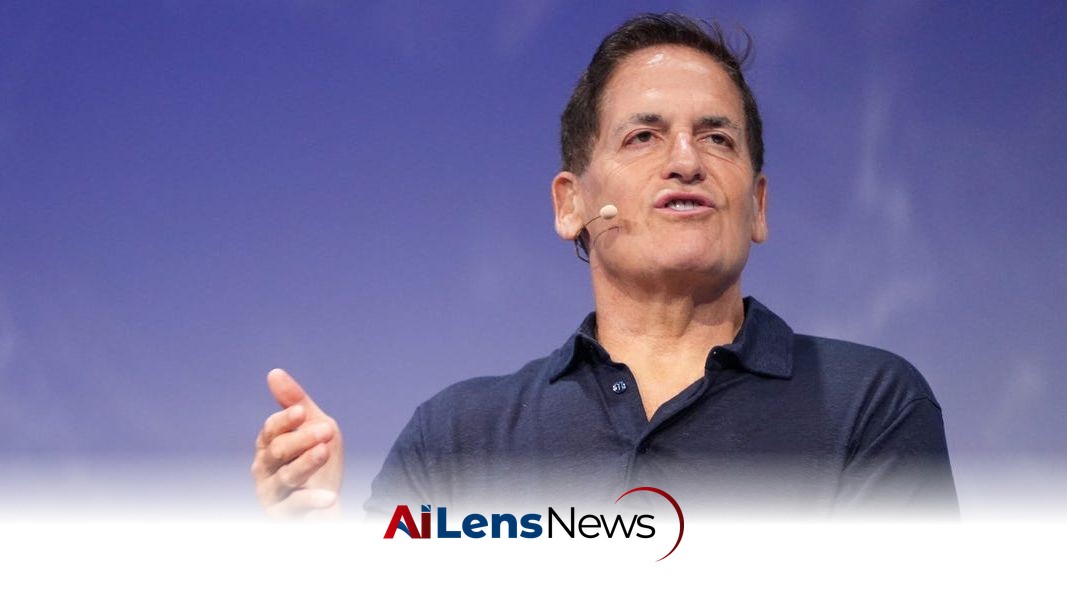


Mark Cuban suggests employers use AI chatbots to analyze healthcare contracts and identify hidden costs, emphasizing the need for transparency in healthcare pricing.
Washington DC, United States Jul 14, 2026 ALN: In recent discussions surrounding the rising costs of healthcare, entrepreneur and billionaire Mark Cuban has emerged as a prominent voice advocating for the integration of artificial intelligence (AI) in the process of managing and understanding healthcare expenses. Cuban, who is well-known for his role on the television show "Shark Tank" and as the owner of the NBA team Dallas Mavericks, has turned his attention to the complexities of the healthcare system, particularly the financial burdens faced by employers.
The crux of Cuban's argument is that many employers are often unaware of the hidden costs embedded within healthcare contracts. He suggests that by utilizing AI chatbots, employers can upload their healthcare contracts for analysis, thereby uncovering areas where they may be overpaying or being taken advantage of. This approach is particularly relevant in an industry where contracts can span hundreds of pages and contain intricate legal jargon that is difficult for the average person to navigate.
In a recent episode of the "Digital Health Heavyweights" podcast, Cuban emphasized the utility of large language models (LLMs) such as ChatGPT, Claude, and Gemini in this context. He noted that these AI tools can help decode the complexities of healthcare contracts, making it easier for employers to identify potential pitfalls. "Run them all. Every healthcare contract you have run through Claude or whatever, and just say, 'Where am I getting ripped off?" Cuban advised, underscoring the need for vigilance in understanding the nuances of these agreements.
Cuban's perspective is rooted in his broader criticism of the healthcare industry, particularly regarding the role of health insurers and pharmacy benefit managers (PBMs). He has long argued that these entities contribute to the escalation of healthcare costs through opaque pricing structures and convoluted contracts. This sentiment was echoed in a series of posts he made on X, where he stated, "There isn't a single company, including yours, that knows the actual cost of the care they purchase for your employees and families. Not one." This lack of transparency, according to Cuban, leaves employers vulnerable and often leads to inflated costs that could be mitigated through more informed decision-making.
To further illustrate his point, Cuban highlighted the importance of understanding the financial risks that come with relying on insurance companies. He cautioned employers against assuming that insurers will act in their best interests, stating, "People default to insurance as if the insurance company's going to give them something more than what they put in. That's never the case." This statement reflects a growing concern among employers about the value they receive from their insurance plans, especially in light of rising premiums and out-of-pocket expenses.
In addition to leveraging AI for contract analysis, Cuban advocates for a more direct approach to healthcare procurement. He suggests that companies with sufficient financial resources should consider bypassing traditional insurers altogether and instead negotiate directly with hospitals, clinics, or physician groups. This strategy not only allows for potentially lower prices but also empowers employers with greater control over their healthcare spending. By fostering direct relationships with healthcare providers, employers can tailor their healthcare offerings to better meet the needs of their employees, ultimately driving down costs.
The implications of Cuban's advocacy for AI in healthcare are significant. As employers increasingly seek ways to manage their healthcare expenditures, the use of AI tools could revolutionize how contracts are analyzed and negotiated. The ability to quickly process and interpret complex documents may lead to more informed decisions, enabling companies to identify cost-saving opportunities that might otherwise go unnoticed. Furthermore, as more employers adopt these technologies, there may be a shift in the dynamics of the healthcare marketplace, compelling insurers and PBMs to enhance transparency and competitiveness in their pricing structures.
However, the adoption of AI in healthcare contracting is not without its challenges. Employers must be willing to invest in the necessary technology and training to effectively utilize these tools. Additionally, there are concerns about data privacy and security, particularly when sensitive health information is involved. Ensuring that AI systems are compliant with regulations such as the Health Insurance Portability and Accountability Act (HIPAA) is crucial to maintaining trust and safeguarding employee information.
Moreover, while AI can assist in identifying potential issues within contracts, it is essential for employers to have a clear understanding of the legal and financial implications of their agreements. Relying solely on AI without human oversight could lead to misinterpretations or oversights that may ultimately result in unfavorable outcomes. Therefore, a balanced approach that combines AI capabilities with human expertise is likely to yield the best results.
In conclusion, Mark Cuban's advocacy for the use of AI in uncovering hidden healthcare costs presents a compelling case for employers seeking to navigate the complexities of the healthcare system. By harnessing the power of AI chatbots to analyze contracts and negotiate directly with providers, companies can potentially reduce their healthcare expenditures and enhance the overall well-being of their employees. As the conversation around healthcare costs continues to evolve, the integration of technology and a focus on transparency may pave the way for a more equitable and efficient healthcare landscape.
To contextualize Cuban's advocacy within the broader healthcare landscape, it is important to consider the historical evolution of healthcare costs in the United States. Over the past few decades, healthcare expenditures have risen dramatically, outpacing inflation and wage growth. According to various studies, the U.S. spends more on healthcare per capita than any other country, yet outcomes do not always reflect this investment. This paradox has led to increasing scrutiny of the healthcare system, particularly regarding how costs are structured and negotiated.
Healthcare costs are influenced by a myriad of factors, including the pricing strategies of pharmaceutical companies, the administrative costs associated with healthcare delivery, and the profit motives of insurance companies. Many experts argue that the lack of transparency in these areas contributes to the rising costs that employers and individuals face. This is where Cuban's call for AI comes into play, as technology offers a potential solution to decipher these complexities and shed light on hidden costs.
Furthermore, the impact of the COVID-19 pandemic has amplified discussions about healthcare costs. Employers have been forced to reassess their healthcare strategies as they navigate the challenges posed by the pandemic. Many have experienced rising claims and premiums, prompting them to explore innovative solutions to manage costs effectively. AI's role in this context becomes even more critical, as it can provide real-time insights and analytics that help employers make informed decisions about their healthcare spending.
As AI technologies continue to evolve, their applications within the healthcare sector are likely to expand. Beyond contract analysis, AI could play a role in predictive analytics, helping employers anticipate future healthcare costs based on trends and utilization patterns. This capability could further enhance strategic planning and budgeting for healthcare expenditures, allowing employers to proactively address potential financial challenges.
In summary, Mark Cuban's advocacy for AI in uncovering hidden healthcare costs is not just a call for technological innovation; it is also a reflection of a broader movement towards transparency and accountability in the healthcare sector. As employers grapple with rising costs and seek solutions, AI presents a promising avenue for enhancing their understanding of healthcare expenses and ultimately improving the quality of care for employees. The integration of AI into healthcare procurement and contract negotiation could lead to a paradigm shift, fostering a more sustainable and equitable healthcare system for all stakeholders involved.
To learn more about the latest developments in Health News, stay updated with our exclusive reports and analyses on AiLensNews.

