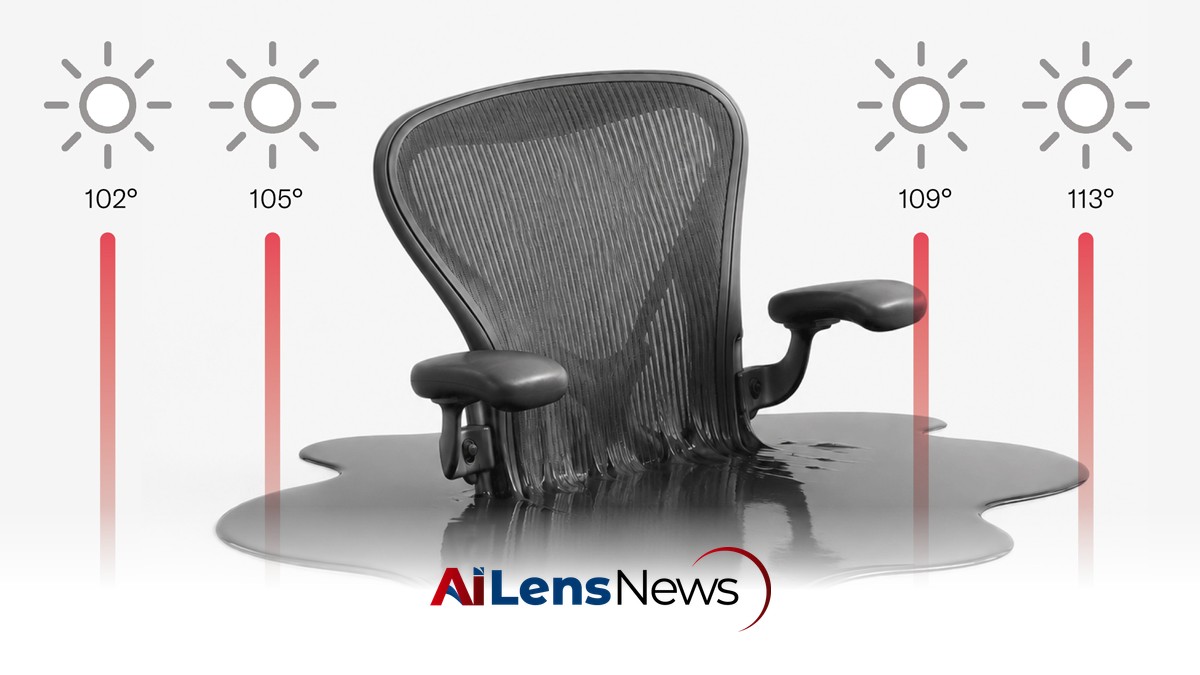


Extreme heat poses significant risks to employee health and business productivity. Companies must proactively assess vulnerabilities and implement safety measures.
Washington DC, United States Jul 17, 2026 ALN: Welcome to the HBR Executive Agenda for July 16, 2026.
Extreme heat is increasingly recognized as a persistent threat to both employee health and overall business performance. As temperatures rise globally due to climate change, the implications for workplace safety and productivity become more pronounced. This trend is not merely a seasonal concern; rather, it represents an ongoing challenge that organizations must address as part of their operational strategies. Despite this growing concern, many organizations have yet to formally assess their workforce's vulnerability to heat-related issues, which could lead to significant consequences in both human and economic terms.
Extreme heat can lead to a range of health problems, including heat exhaustion and heat stroke, which can severely impact employee well-being. These conditions can manifest through symptoms such as dizziness, confusion, and fatigue, potentially resulting in severe health crises if not addressed promptly. Beyond health concerns, high temperatures can also reduce productivity, increase absenteeism, and lead to higher turnover rates. This dual threat underscores the importance of addressing heat-related risks in the workplace.
Research indicates that productivity can decline significantly in high-temperature environments. Studies have shown that cognitive function decreases as temperatures rise, which can hinder decision-making and overall job performance. Additionally, the physical demands of certain jobs, particularly in sectors like construction, agriculture, and manufacturing, exacerbate the risks associated with extreme heat. Workers in these industries often face prolonged exposure to high temperatures, making it imperative for employers to implement effective heat management strategies.
The economic ramifications of extreme heat are profound. According to various studies, the costs associated with heat-related illnesses can escalate quickly, encompassing healthcare expenses, lost productivity, and potential legal liabilities. For instance, organizations may face increased workers' compensation claims if employees suffer from heat-related ailments, which can lead to higher insurance premiums. Moreover, the reputational damage stemming from poor employee safety practices can deter potential talent from joining a company, further impacting long-term viability.
To effectively manage the risks associated with extreme heat, business leaders must first understand the specific vulnerabilities of their workforce. This involves assessing factors such as the physical demands of jobs, the duration of exposure to heat, and the adequacy of existing safety measures. Organizations should conduct thorough evaluations that consider the unique characteristics of their work environments and employee demographics. For instance, older employees or those with pre-existing health conditions may be more susceptible to heat-related illnesses.
Implementing robust safety protocols is crucial. Companies should consider measures such as:
In addition to these measures, organizations can benefit from fostering a culture of safety that prioritizes employee health. This includes regular training sessions that educate employees about the risks associated with extreme heat and the importance of recognizing early signs of heat-related illnesses. Furthermore, promoting open communication channels where employees feel comfortable reporting heat-related concerns can enhance overall safety.
As awareness of the dangers posed by extreme heat grows, so too does the regulatory landscape. Companies must stay informed about tightening regulations that mandate specific safety measures and employee protections. In many regions, labor laws are evolving to include explicit guidelines for working in extreme heat. For example, some jurisdictions may require employers to implement heat stress prevention plans, provide training for employees about the signs of heat-related illnesses, and ensure access to water and shade for outdoor workers. Failure to comply with these regulations can result in legal repercussions and damage to a company's reputation.
Moreover, regulatory compliance is not just about avoiding penalties; it also reflects a company's commitment to employee welfare and corporate social responsibility. Businesses that prioritize safety and health in the face of extreme heat may find themselves more attractive to potential employees, particularly as younger generations increasingly value workplace safety and sustainability. In a competitive job market, companies that demonstrate a commitment to employee well-being can differentiate themselves and attract top talent.
In conclusion, extreme heat is no longer an occasional disruption but a recurring challenge that businesses must confront. The implications of failing to address heat-related risks are significant, not only for employee health but also for overall business performance. By proactively assessing vulnerabilities, implementing safety protocols, and staying informed about regulatory changes, companies can better protect their employees and enhance their operational efficiency.
Furthermore, as climate change continues to exacerbate extreme weather conditions, organizations must adopt a long-term perspective on heat management. This includes investing in research and development of innovative cooling technologies, promoting a culture of safety, and engaging employees in discussions about health and well-being. By taking these steps, businesses can not only mitigate the impacts of extreme heat but also position themselves as leaders in workplace safety and employee care.
Ultimately, addressing the challenges posed by extreme heat is a critical component of contemporary business strategy. Companies that recognize the importance of this issue and take proactive measures will not only safeguard their workforce but also enhance their reputation and competitive advantage in an increasingly climate-conscious market. As the frequency and intensity of heat waves continue to rise, it is imperative for organizations to integrate heat management into their broader risk management frameworks, ensuring a resilient workforce capable of thriving in challenging conditions.
To learn more about the latest developments in Public Health, stay updated with our exclusive reports and analyses on AiLensNews.

