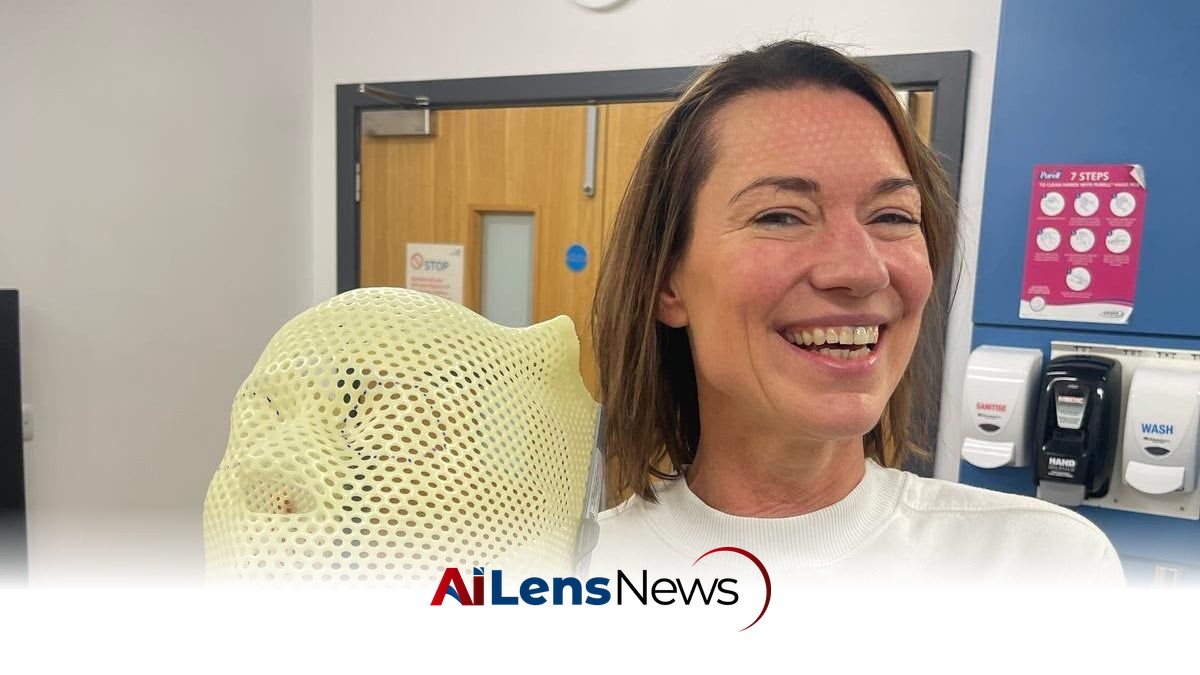


A woman has sold her home to cover the costs of a brain cancer treatment not available through the NHS, highlighting the challenges faced by patients seeking innovative therapies.
London, United Kingdom Jul 17, 2026 ALN: In a heart-wrenching decision, a woman has sold her home to finance a brain cancer treatment that is not covered by the National Health Service (NHS). This situation underscores the growing concerns regarding access to innovative medical therapies in the UK, a country that prides itself on providing comprehensive healthcare through its publicly funded system. The NHS, established in 1948, has long been heralded as a model for universal healthcare, yet recent developments reveal significant gaps in coverage that are affecting patients' lives.
The woman, who has been battling brain cancer, discovered that the treatment she desperately needed was unavailable through the NHS. Faced with limited options and the urgency of her condition, she made the difficult choice to sell her house to fund the necessary medical care. This decision, while practical in the face of dire circumstances, reflects a broader issue affecting many patients in the UK who find themselves in similar predicaments. As the costs of healthcare continue to rise, many individuals are confronted with the harsh reality that their health and financial stability are inextricably linked.
Many patients in the UK are finding themselves in situations where life-saving treatments are not included in the NHS offerings. This has sparked debates about the adequacy of healthcare provisions and the need for reforms to ensure that patients have access to the latest therapies. As the NHS faces increasing financial pressures, the availability of cutting-edge treatments has become a contentious topic. The financial constraints on the NHS are exacerbated by factors such as an aging population, rising treatment costs, and the impact of the COVID-19 pandemic, which has placed unprecedented strain on healthcare resources.
Brain cancer, particularly aggressive forms like glioblastoma, often requires advanced treatments that may not be readily available within the public healthcare system. Glioblastoma, known for its rapid progression and poor prognosis, necessitates innovative approaches such as immunotherapy or experimental drugs that might be offered only through private healthcare facilities or clinical trials. As a result, patients are left to navigate a complex landscape of private healthcare options, which can be prohibitively expensive. For many, the financial burden associated with these treatments can lead to significant hardship, forcing them to make impossible choices that no one should have to face.
The disparity between the treatments available through the NHS and those offered in the private sector raises significant ethical questions. Patients, particularly those with severe conditions, are often forced to make impossible choices about their health and finances. The emotional and psychological toll of such decisions can be immense, compounding the stress of dealing with a life-threatening illness. As families grapple with the reality of these choices, the implications extend beyond individual cases, highlighting systemic issues within the healthcare framework.
The story of this woman resonates with many who have faced similar challenges. It raises critical questions about the equity of healthcare access and the emotional and financial toll that such decisions can impose on families. The implications of these choices extend beyond individual cases, highlighting systemic issues within the healthcare framework. Personal stories like hers are vital in illustrating the human impact of policy decisions and the urgent need for reform.
The NHS has historically been a source of pride for the UK, providing universal healthcare to its citizens. However, as medical technology advances and new treatments emerge, the system struggles to keep pace with the demand for innovative therapies. The funding model of the NHS, which is primarily taxpayer-funded, faces challenges in accommodating the high costs associated with new medical advancements. The funding constraints often lead to difficult decisions about which treatments to include in the NHS portfolio, leaving patients with limited options.
As the population ages and the prevalence of chronic diseases increases, the pressure on the NHS will likely intensify. This situation may lead to a growing divide between those who can afford private healthcare and those who rely solely on public services. The implications of this divide are profound, as it could lead to a two-tiered healthcare system where access to life-saving treatments becomes a privilege rather than a right. This potential disparity raises ethical concerns about the fairness of a system that is supposed to provide equal access to all.
Moreover, the emotional and psychological effects of navigating such a system can lead to increased anxiety and depression among patients and their families. The stigma associated with needing to sell one's home for medical treatment may also deter individuals from seeking help or discussing their situations, further isolating them during a critical time. The fear of financial ruin can overshadow the focus on health, leading to a scenario where patients are forced to prioritize their financial well-being over their medical needs.
This woman's courageous decision to sell her home for treatment highlights a critical issue within the healthcare system. As more patients face similar dilemmas, it becomes increasingly important to address the gaps in healthcare access and ensure that no one has to choose between their home and their health. The ongoing discussions surrounding healthcare reform must prioritize patient welfare and strive to create a system where access to innovative treatments is equitable and just.
Ultimately, the story serves as a poignant reminder of the human element within healthcare debates. Each statistic represents a person, a family, and a community impacted by the decisions made within the healthcare system. As advocates push for change, it is vital to keep the focus on the individuals affected, ensuring that their voices are heard and their needs addressed. The need for a compassionate, patient-centered approach to healthcare has never been more pressing, as countless individuals navigate the complexities of illness and the healthcare system in search of hope and healing.
To learn more about the latest developments in Health News, stay updated with our exclusive reports and analyses on AiLensNews.

