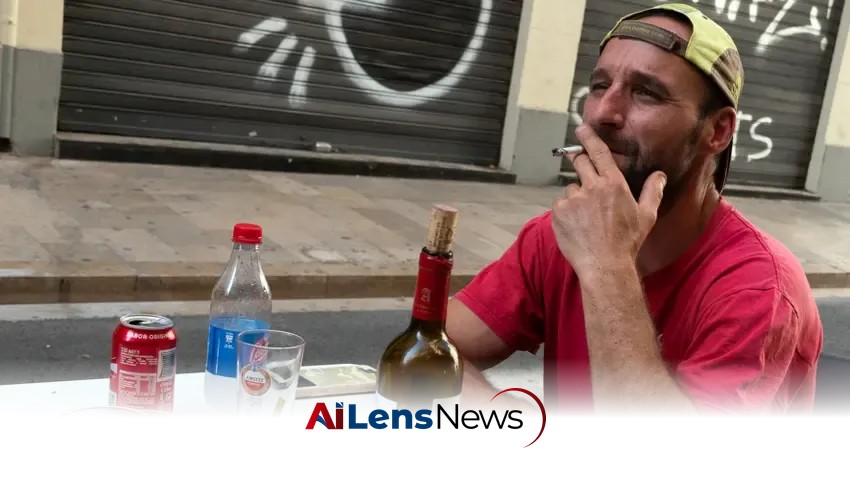


Spain's government has approved a draft law to ban smoking in outdoor areas like bar terraces, parks, and beaches, aiming to protect public health.
London, United Kingdom Jul 23, 2026 ALN: Spain's minority left-wing government has taken a significant step towards public health reform by approving a draft law that proposes a comprehensive ban on smoking and vaping in various outdoor spaces. This initiative, which was approved on a Tuesday, reflects a growing concern over the health risks associated with tobacco use and aims to create a healthier environment for all citizens.
The proposed legislation marks a notable shift in Spain's approach to tobacco control. For the first time, the law explicitly bans minors, defined as individuals under the age of 18, from consuming tobacco products, not merely from purchasing them. This is a crucial development in protecting younger populations from the harmful effects of smoking, aligning with broader international efforts to reduce tobacco use among youth.
In addition to prohibiting consumption among minors, the law aims to curtail the advertising, promotion, or sponsorship of tobacco products. This is particularly important given the well-documented health risks associated with smoking, including various forms of cancer, respiratory diseases, and cardiovascular issues. The World Health Organization (WHO) has long advocated for comprehensive tobacco control measures, emphasizing the need for countries to take decisive action to protect public health.
The scope of the proposed ban is extensive, extending to outdoor areas such as bar terraces, parks, university campuses, and beaches. It also seeks to establish a smoking-free zone within a 15-meter radius of public buildings, including health clinics, educational institutions, museums, cultural centers, and children's play areas. This comprehensive approach aims to minimize secondhand smoke exposure, which poses serious health risks, particularly to vulnerable populations such as children, pregnant women, and individuals with pre-existing health conditions.
Furthermore, the ban will encompass bus shelters, train platforms, sports facilities, public swimming pools, open-air events, national parks, workplaces, and vehicles such as taxis and ride-sharing services. The inclusion of these areas underscores the government's commitment to creating a smoke-free environment in both public and private spaces.
Health Minister Monica García has been a vocal advocate for the new measures, stating that the intent is to expand upon the indoor smoking ban that was introduced in 2010. García emphasized that the goal is to better protect public health and work towards a tobacco-free generation. This aligns with global health trends, as many countries have implemented similar bans to promote healthier lifestyles and reduce the burden of smoking-related diseases.
During a news conference following the cabinet's approval of the draft law, García highlighted the importance of ensuring that everyone, including pregnant women and individuals with asthma, can enjoy meals and drinks without being subjected to the harmful effects of smoke from nearby tables. This sentiment reflects a growing recognition of the need for inclusive public health policies that consider the well-being of all community members.
García also pointed out the staggering statistics related to smoking in Spain, noting that it is responsible for approximately 50,000 deaths annually. The implementation of this new law could potentially lead to significant healthcare savings, estimated to be between €100 and €200 million each year. These savings could then be redirected towards addressing other pressing healthcare needs, rather than treating preventable diseases caused by smoking.
In addition to traditional tobacco products, the proposed law extends its reach to electronic cigarettes and vaping devices, including those that contain nicotine as well as herbal smoking products and shisha pipes. However, nicotine pouches are excluded from these bans, although their use among minors remains prohibited. This comprehensive approach reflects an understanding of the evolving landscape of tobacco products and the need for regulations that address both traditional and modern forms of smoking.
The third component of the law focuses on the regulation of advertising, promotion, and sponsorship of tobacco products across all media platforms. García explained that the government aims to equate new tobacco products with traditional ones, thereby prohibiting advertising on the internet and social media. This move is intended to reinforce existing limits on indirect promotion and commercial offers that may entice new consumers, particularly young people.
This draft law builds on previous anti-smoking reforms, the last of which was enacted 16 years ago. The earlier legislation successfully prohibited smoking inside bars, restaurants, and other enclosed food service establishments, as well as in the vicinity of hospitals and school playgrounds. However, the current proposal seeks to address the gaps that remain in outdoor public spaces, where smoking is still prevalent.
Despite the potential public health benefits of the proposed law, it is important to note that it still requires approval from Congress, where the government currently lacks a majority. As such, there may be significant political negotiations and discussions ahead before the law can be enacted. Given the cultural significance of outdoor dining in Spain, especially during the hot summer months, the proposal is likely to elicit strong reactions from the hospitality sector, which may view the ban as a threat to their business operations.
According to the latest figures from health authorities, around 25 percent of Spain's adult population smokes daily. This statistic highlights the ongoing challenge of tobacco control in the country and the need for effective policies to reduce smoking rates. The proposed legislation represents a proactive approach to addressing this public health issue and could serve as a model for other nations grappling with similar challenges.
In summary, Spain's proposed comprehensive smoking ban in outdoor spaces reflects a growing commitment to public health and the well-being of its citizens. By addressing the consumption of tobacco and vaping products in a wide range of public areas and targeting advertising strategies, the government aims to create a healthier environment for all, particularly vulnerable populations. As the draft law moves forward, its implications for public health, the hospitality sector, and tobacco control efforts will continue to unfold.
To learn more about the latest developments in Health News, stay updated with our exclusive reports and analyses on AiLensNews.

