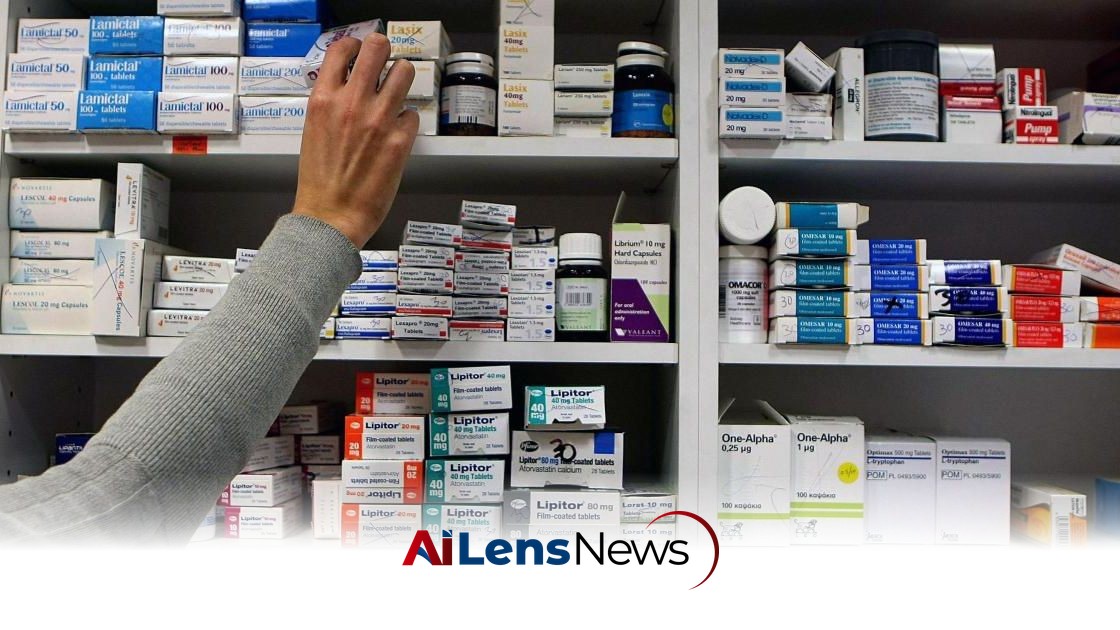


The SNP emphasizes the financial benefits of free prescriptions, claiming an average saving of £440 per household, as the debate over NHS funding intensifies.
London, United Kingdom Jul 19, 2026 ALN: Free prescriptions have become a significant aspect of Scotland's healthcare policy, with the Scottish National Party (SNP) asserting that this initiative saves Scottish households around £440 annually. This figure, derived from an analysis by the Scottish Parliament Information Centre (SPICe), highlights the financial implications of healthcare policies in Scotland compared to those in England, where patients are required to pay for prescriptions unless they qualify for certain exemptions. The SNP has made it clear that it intends to protect this policy from any future charges, emphasizing its importance in light of rising living costs that families are currently facing.
The analysis indicates that the average Scottish household receives prescriptions worth approximately £438.61 each year when compared to the standard charge of £9.90 per item in England. This figure has been rounded to £444 by the SNP to underscore the financial relief provided by free prescriptions in Scotland. The SNP argues that this policy demonstrates the tangible differences in healthcare provision between Scotland and England, particularly as families deal with increasing financial pressures.
Free prescriptions were abolished in Scotland in 2011, marking a significant shift in healthcare policy aimed at ensuring universal access to necessary medications. In contrast, patients in England who do not meet specific exemption criteria must pay for each prescribed item, which can quickly accumulate into a substantial financial burden, particularly for those with chronic health conditions that require regular medication.
The political implications of this policy are profound, as the SNP has consistently framed free prescriptions as one of its key achievements since taking power. The ongoing debate between the SNP and its opponents, particularly those from Westminster, often centers around the differences in healthcare access and costs between the two regions. SNP MSP Michelle Campbell has publicly stated that only her party can be trusted to maintain free prescriptions in Scotland, accusing other political parties of being open to introducing charges that could adversely affect Scottish patients.
According to the SPICe analysis, there were approximately 118.2 million prescription items dispensed in Scotland during the 2025/26 period, which translates to an average of 21.3 items per person annually. When factoring in the average household size of 2.08 people in Scotland, this results in the estimated value of £438.61 per household. It is essential to note that while these figures provide a national average, individual experiences may vary widely; some individuals may not require any medication throughout the year, while others may have regular prescriptions that significantly exceed the average.
Before the abolition of prescription charges in Scotland, roughly half of the population was exempt from these fees, and an impressive 92.8% of prescriptions were issued without charge. In England, exemptions are available based on various criteria, including age, income, medical conditions, and pregnancy status. Additionally, patients who frequently pay for prescriptions can opt for a prepayment certificate that allows them to manage their overall costs more effectively.
The SNP has highlighted that the comparison between the costs associated with prescriptions in Scotland and England emphasizes the principle of universal healthcare access. In Scotland, patients can receive necessary medications without the need to navigate a complex system of exemptions, which can often be a barrier to timely care. This approach is part of a broader Scottish commitment to ensuring that healthcare remains accessible and equitable for all residents.
Michelle Campbell further articulated the significance of the £444 savings, particularly during what she termed a "Westminster-made cost of living crisis." She argued that this amount is substantial for many Scottish families who are already struggling with rising costs in various aspects of their lives. The SNP's messaging seeks to position the party as the protector of healthcare access for Scots, contrasting its policies with those of the Labour Party in England, which the SNP claims would lead to increased charges for essential services.
In addition to free prescriptions, Scotland also offers free eye tests and dental examinations, though some patients may still need to contribute to the cost of dental treatments unless they qualify for specific support. The SNP frequently groups these healthcare policies together as part of its distinctive approach to public services, which it argues is more progressive than that of other UK political parties.
However, the SNP's policies have not gone unchallenged. Critics have pointed to ongoing issues within the National Health Service (NHS) in Scotland, including long waiting times, staffing shortages, and access to treatment. These challenges raise questions about the sustainability of Scotland's healthcare system and the effectiveness of its policies in meeting the needs of all patients. The SNP has acknowledged these issues while maintaining that the abolition of prescription charges is a critical step toward improving healthcare access.
Furthermore, the SNP has expressed concerns regarding the potential impact of the UK-US pharmaceutical agreement on NHS budgets. The party argues that increased spending on medicines resulting from this agreement could place additional pressure on other essential services within the Scottish NHS. The SNP has emphasized that any rise in pharmaceutical costs should not compromise the quality of frontline care or other vital services provided by the healthcare system.
In response, the UK Government has defended the agreement, asserting that it will enhance access to innovative treatments and foster investment in the pharmaceutical sector. Government officials argue that the deal aims to improve the overall health outcomes for patients across the UK, including those in Scotland, by ensuring they have access to the latest medical advancements.
In conclusion, the issue of free prescriptions in Scotland represents a critical element of the broader debate surrounding healthcare access and affordability. As families navigate the complexities of rising living costs, the SNP's commitment to maintaining free prescriptions serves to highlight the differences between Scotland's healthcare system and that of England. While the policy has garnered support as a financial lifeline for many households, ongoing challenges within the NHS and the implications of broader health agreements will continue to shape the political landscape and public discourse surrounding healthcare in Scotland.
To learn more about the latest developments in Health News, stay updated with our exclusive reports and analyses on AiLensNews.

