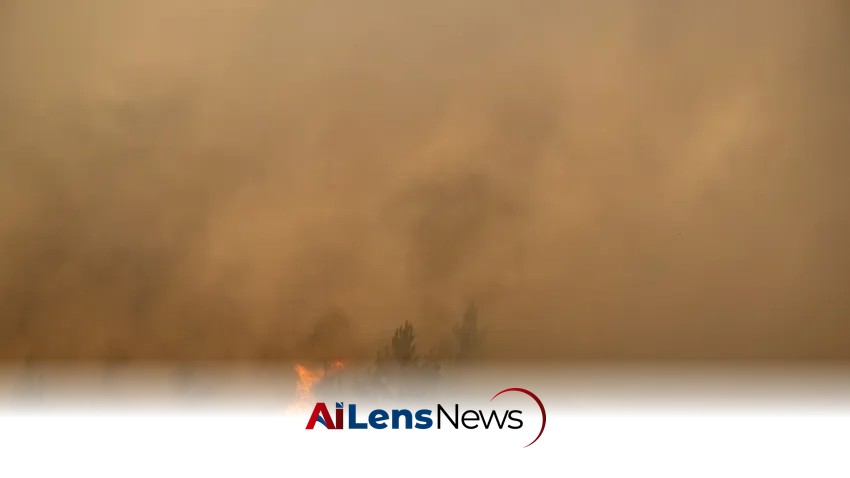


As wildfires rage in France and Spain, health experts warn of the dangers posed by smoke, particularly for vulnerable populations. This article explores the risks and protective measures.
London, United Kingdom Jul 26, 2026 ALN: Wildfires have become an increasingly frequent and severe issue across various regions, notably in France and Spain, where thousands have been forced to seek refuge in emergency shelters due to devastating fires. As of Sunday, the situation escalated to a critical level, with reports indicating that over 300,000 individuals have fled their homes and holiday accommodations to escape the flames. This massive displacement has led to one of the largest peacetime civilian evacuation operations ever undertaken in France, highlighting the urgent need for effective response measures as major fires continue to rage in both countries.
As the wildfires wreak havoc, the human toll is becoming apparent. Tragically, one fatality has been confirmed in eastern Spain, and authorities have initiated fresh evacuation orders in areas around the French city of Bordeaux and the Spanish capital, Madrid. Emergency services are on high alert, bracing for another challenging night as the situation remains volatile.
What is in the smoke?
The smoke produced by wildfires is a complex mixture of gases and particulate matter that poses significant health risks. According to Anses, France's health safety agency, the combustion of vegetation releases a variety of harmful substances into the atmosphere. Among these, fine particulate matter is particularly concerning as it can penetrate deep into the lungs, exacerbating respiratory issues and other health conditions. The smoke also contains carbon monoxide, a colorless and odorless gas that can be deadly in high concentrations. Other chemical compounds released during wildfires include carbon dioxide, volatile organic compounds such as acrolein, formaldehyde, and benzene, all of which can have detrimental effects on human health.
Moreover, the presence of additional pollutants can arise from the burning of vehicles and buildings, further complicating the composition of wildfire smoke. The combination of these toxic substances creates a hazardous environment not only for those directly affected by the fires but also for individuals living miles away from the blaze.
Who is most at risk?
The health impacts of wildfire smoke are not confined to those in close proximity to the flames. According to French pulmonologist Bruno Crestani, individuals who are closest to the fire may experience immediate respiratory irritation, but the effects can spread far beyond the fire zone as winds carry the smoke over long distances. Vulnerable populations, including the elderly, individuals with pre-existing respiratory conditions, infants, and asthmatics, are particularly at risk. Crestani emphasizes that smoke exposure can destabilize previously manageable health conditions, leading to acute health crises.
Furthermore, the implications of smoke exposure extend beyond respiratory issues. Fine particulate matter can enter the circulatory system, potentially triggering severe health events such as diabetes, strokes, and heart attacks. The World Meteorological Organization has underscored the far-reaching consequences of wildfires, noting that smoke can transport a toxic mix of pollutants thousands of kilometers away. For instance, in 2024, smoke from Canadian wildfires was reported to have caused air pollution as far away as Europe, illustrating the global nature of this environmental challenge.
What specific risks for firefighters?
Firefighters face unique risks when combating wildfires. Anses has highlighted the dangers not only associated with battling the flames but also with the aftermath of extinguishing fires. Firefighters are often exposed to smoke inhalation while monitoring extinguished areas, conducting investigations, and clearing debris. Additionally, they face increased vulnerability due to factors such as heat stress, dehydration, strenuous physical exertion, sleep deprivation, accumulated fatigue, and the risk of accidents. These combined factors can significantly compromise their health and well-being, necessitating comprehensive safety measures and support for these frontline responders.
How deadly is it?
The health risks associated with wildfire smoke are not merely theoretical. A report from The Lancet in December 2025 estimated that exposure to wildfire smoke resulted in approximately 154,000 deaths worldwide the previous year, primarily attributed to fine particulate matter. In France alone, the charity Oxfam estimated that air pollution caused by wildfires leads to around 2,800 premature deaths annually. These statistics underscore the critical need for public health initiatives aimed at mitigating the impacts of wildfire smoke on both vulnerable populations and the general public.
Crestani emphasizes that the long-term health effects of wildfire smoke exposure must be considered for the entire population, not just those deemed vulnerable. As climate change continues to exacerbate the frequency and intensity of wildfires, the potential for widespread health consequences becomes increasingly pronounced.
How to protect yourself?
In response to the ongoing crisis, French Prime Minister Sebastien Lecornu has announced plans to distribute 1.5 million FFP2 masks to the Gironde region, where an unprecedented wildfire is currently active. These masks are intended to help protect the population from harmful smoke inhalation. Anses recommends that individuals who may experience difficulties when exposed to smoke should wear such masks, as they can provide a degree of protection. However, it is important to note that masks do not offer complete safety, and those experiencing breathing problems or other symptoms are advised to seek medical assistance.
For those in areas not under evacuation orders, Anses offers additional guidance to minimize exposure to smoke. These recommendations include limiting outdoor activities, keeping windows and doors closed, and using wet cloths to cover air vents. It is also advised to turn off automatic ventilation systems in bathrooms to prevent smoke from entering indoor spaces. By taking these precautions, individuals can help safeguard their health during wildfire events.
As the situation in France and Spain continues to evolve, the health risks associated with wildfire smoke remain a pressing concern. The combination of environmental factors, public health implications, and the challenges faced by emergency responders underscores the urgent need for comprehensive strategies to address the growing threat of wildfires and their associated health risks. As communities grapple with the immediate impacts of these fires, long-term planning and resilience-building measures will be crucial in mitigating the effects of future wildfires and protecting public health.
To learn more about the latest developments in Health News, stay updated with our exclusive reports and analyses on AiLensNews.

