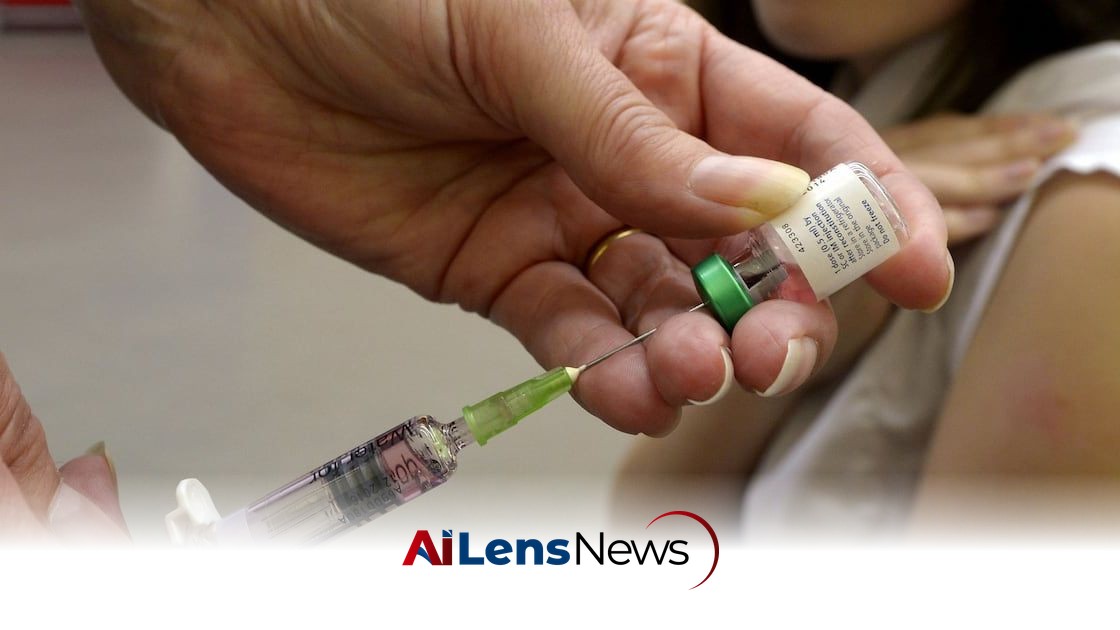


Despite the HPV vaccine's proven effectiveness in reducing cervical cancer, uptake among adolescents is declining due to various factors, including parental hesitancy and misinformation.
London, United Kingdom Jul 14, 2026 ALN: As yet there’s no miracle cure for cancer, but vaccinating adolescents against a common, generally harmless virus is having what the regional chair of the British Medical Association (BMA) describes as an “astonishing” impact on reducing the rate of certain cancers among young people.
Yet there’s a lack of take-up among a significant proportion of the target cohort, who require parental consent before getting the necessary jab.
It was reported last month in The Lancet that children vaccinated at age 12–13 against HPV (human papillomavirus) have close to zero risk of dying from cervical cancer before the age of 30.
The Cancer Research UK-funded study was the first of its kind and showed that deaths from cervical cancer have fallen sharply since school-age girls were first offered the vaccine in 2008.
It is claimed around 200 lives have so far been saved in England as a result of HPV vaccination. In Australia, where the HPV vaccine rollout began in 2007, it’s hoped that cervical cancer can be eliminated by as early as 2035.
The human papillomavirus (HPV) comprises more than 200 virus strains that spread through skin-to-skin contact, usually during sexual activity. Most infections are harmless and clear up on their own; however, certain high-risk strains cause around 5% of cancers, including throat and mouth cancers and specifically cervical cancer in women and penile cancer in men.
The one-off HPV dose of Gardasil 9 is designed to reduce cases of certain cancers and is given to schoolchildren mostly in year 9 (12-13-year-olds) in Northern Ireland, as it’s regarded as most effective if administered in early adolescence before exposure to HPV through sexual activity. The programme was extended to include boys in 2019 and is free for everybody up to the age of 25, through their GP.
Yet the latest figures from the Department of Health show more than 22% of girls and 28% of boys in the north are declining the vaccine, with an overall drop in take-up among girls of around ten percentage points over the past six years. Notably, HPV vaccination coverage in young males has steadily increased over the past seven years, up to 72% last year.
With evidence of the vaccine’s efficacy seemingly so clear-cut, why are so many young girls choosing not to freely avail of it?
According to the department, there had been some decline prior to the Covid pandemic before “further disruption was caused by school closures in academic years 2019-20 and 2020-2021.”
The department is “keen to maximise uptake,” as vaccination is increasingly effective the greater the number vaccinated.
But it’s not entirely clear what accounts for the increase in those not availing of the HPV vaccine.
BMA Northern Ireland chair Dr. Alan Stout believes there are a number of reasons and argues that the messaging needs to be clearer, especially to parents.
“Parents can be reluctant because it sounds like a sexually transmitted disease, and they tend to think along those lines, more than cancer prevention lines,” he says.
“But actually the premise is that you want to give the vaccine before somebody becomes sexually active; that’s when it’s most effective.”
He also identifies growing “vaccine hesitancy,” evident prior to the pandemic, which has seen a general drop-off in children’s vaccination rates, as well as a fall in adult take-up for flu and Covid vaccines.
“Conspiracy theories online” also play a part in discouraging take-up, Dr. Stout says, before adding that “it’s still hugely encouraging that the vast majority, over three quarters of people, are actually still getting vaccines.” Nonetheless, he advocates “a push to try and get the numbers up” in relation to the HPV vaccine.
The Public Health Agency is responsible for promoting awareness of HPV vaccination, which involves working with charities such as Cancer Focus, school visits, and engagement with various professions and groups, stressing the vaccine’s important role.
Mary Russell is a 74-year-old great-grandmother, originally from west Belfast but now living in Bangor, Co Down.
She is a member of the non-denominational Family Educational Trust, a conservative charity-cum-campaign group that promotes “traditional family values.”
An advocate of “parental education before vaccination,” Mrs. Russell believes that while the government is keen to discourage people from smoking and drinking alcohol, it is “more hesitant” when it comes to highlighting the potential drawbacks from young people having sex.
She lists factors such as “early sexual intercourse, multiple partners, high-risk sexual activity” as increasing the potential for cancers to grow among young people.
“I would prefer that the teenagers were told that engaging in this sort of activity could result in contracting this virus rather than pumping them with a vaccine,” she says.
“Why is there a reluctance to tell young people that engaging in this sort of behaviour is not good for their physical well-being?”
Mrs. Russell does not necessarily speak for all those who choose HPV vaccine abstention for their children, but she is broadly representative of a significant number.
In November last year, DUP MLA Paul Frew asked Health Minister Mike Nesbitt, via an assembly written question, if his department had made “an assessment on the effect of the Gardasil HPV vaccine on neurological health, specifically the risk of developing functional neurological disorders.”
The minister’s answer said “there is no credible evidence to support a link between the Gardasil HPV vaccine and the development of a range of chronic illnesses,” before describing the HPV vaccination programme as “highly effective at reducing cervical cancer rates.”
Speaking to The Irish News, Mr. Frew said he has no specific concerns about HPV vaccination, insisting: “It’s up to the parents to make informed decisions around all medicine.”
More broadly, the North Antrim representative, who describes himself as “pro-medicine and pro-science,” believes the pandemic experience undermined public trust, in particular the imposition of so-called vaccine passports, which were regarded by some as a violation of civil liberties.
Mr. Frew says he’s “totally opposed to the state coercing people to take a medicine.” However, he stresses that he has no issues with the HPV vaccine, though he believes its ingredients and potential side effects should be made clear to recipients, and in cases where people have medical conditions, by their GP.
“I believe the fall in take-up of the HPV vaccine is because there’s a confidence issue with the state and with medicine, simply because of the way that they coerced people into taking the Covid vaccine, but also the way they have treated people who have been vaccine-injured,” he says.
“I believe there are masses of people out there now who have loved ones who have been injured by the Covid vaccine, who now recognise that the state has either ignored these people or gaslit them.”
To learn more about the latest developments in Health News, stay updated with our exclusive reports and analyses on AiLensNews.

