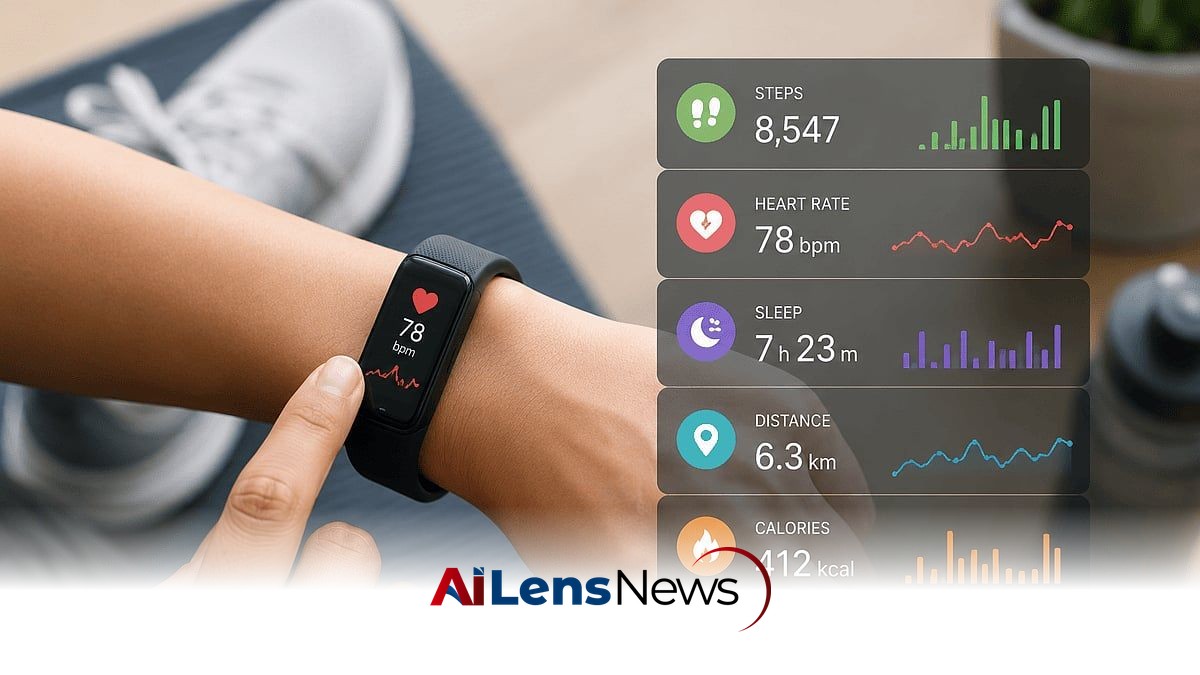


Explore the significance of fitness tracker metrics like steps, heart rate, and sleep stages, and discover top devices that simplify data interpretation.
Abu Dhabi, United Arab Emirates Jul 18, 2026 ALN: In recent years, the popularity of fitness trackers has surged, with millions of consumers using these devices to monitor their health and wellness. While many people associate fitness trackers with the simple goal of achieving 10,000 steps a day, it is important to understand the broader context and the wealth of data these devices can provide. The number 10,000 steps originated from a marketing campaign in Japan during the 1960s and has since evolved into a widely recognized benchmark for daily activity. However, the true value of a fitness tracker lies not in hitting a specific number but in the insights gained over time regarding one’s health and habits.
Today’s fitness trackers are equipped with a variety of sensors that collect detailed information about physical activity, heart rate, sleep quality, and even recovery metrics. This data can be invaluable for users looking to understand their health better and make informed lifestyle choices. Rather than viewing the metrics as a scorecard, users should consider them as tools for self-improvement and habit formation.
Most fitness trackers utilize a combination of motion sensors and optical heart rate sensors to track daily activity levels. Step counts, for instance, serve as a straightforward measure of physical movement. However, it is essential to recognize that the significance of step counts lies in the trends they reveal over time. A gradual increase in weekly averages can indicate improved activity levels, which is often more beneficial than fixating on a specific daily goal.
Heart rate monitoring is another crucial feature of fitness trackers. Users can gain valuable insights by comparing their resting heart rate to their historical data. A lower resting heart rate often signifies better cardiovascular fitness. During physical activities, heart rate zones can help users gauge workout intensity, providing information on whether they are exercising in a fat-burning zone or pushing themselves into higher intensity levels. It is important to note that while optical heart rate sensors are generally reliable during steady-state exercises, they may experience inaccuracies during high-intensity workouts or rapid arm movements. Therefore, users should be aware that occasional variations in heart rate readings are normal.
Sleep tracking is another vital feature that many fitness trackers offer. By analyzing movement and heart rate data, these devices can estimate the amount of time spent in different sleep stages, including light, deep, and REM sleep. However, it is crucial to understand that these estimates are not direct measurements of sleep quality. Instead, users should focus on long-term patterns and trends rather than individual nightly results. If sleep issues persist, consulting a healthcare professional is advisable rather than relying solely on wearable technology.
When selecting a fitness tracker, several factors should be taken into consideration to ensure that it meets individual needs. It is essential to choose a device with accurate heart rate monitoring capabilities, comfortable for all-day wear, and software that presents data trends clearly. Battery life is also a critical factor, as consistent wear—especially overnight—provides more comprehensive data. Users should approach calorie estimates and readiness scores with caution, as different manufacturers employ proprietary algorithms that can vary significantly from one device to another.
One of the latest offerings is the Google Fitbit Air, a screen-free tracker designed for users who prefer uninterrupted monitoring without the distraction of a display. This device focuses on everyday movement, heart rate, and sleep tracking, seamlessly syncing data to the Fitbit app for long-term analysis. Its lightweight design makes it comfortable to wear overnight, which is particularly beneficial for users aiming to establish consistent sleep data rather than fixating on individual nightly scores.
For those seeking a more comprehensive fitness experience, the Garmin Forerunner 165 is an excellent choice. This device is tailored for individuals who desire detailed fitness metrics alongside training context. Equipped with built-in GPS, workout guidance, and detailed heart rate zones, the Forerunner 165 is especially advantageous for runners and regular exercisers. Garmin's software is known for its ability to illustrate how daily activities contribute to broader training patterns, enabling users to track progress over time rather than focusing solely on isolated metrics.
The Amazfit Helio Strap adopts a minimalist approach while still gathering essential data on activity, heart rate, and recovery. Its focus on continuous background tracking means users can gain insights without the need for frequent interaction with a watch face, making it an appealing option for those who prefer a low-maintenance wearable experience.
The Apple Watch Series 11 Aluminium combines smartwatch capabilities with comprehensive fitness tracking features. With its activity rings, workout tracking, and detailed sleep reporting, the Apple Watch presents data in an accessible format that is easy to understand, even for those new to fitness tracking. This device is particularly advantageous for individuals already using an iPhone, as it integrates health and fitness information alongside everyday smart features.
In summary, fitness trackers are most effective when they help users identify patterns and trends rather than striving for perfection. Observing rising activity levels, consistent sleep habits, and stable long-term heart rate trends can provide more meaningful insights than focusing on a single high or low reading. For individuals looking for a well-rounded balance between everyday wearability and valuable fitness insights, the Garmin Forerunner 165 stands out due to its detailed training analysis and user-friendly presentation.
As the fitness tracking market continues to evolve, consumers are encouraged to explore various options and select devices that best align with their personal health and fitness goals. By leveraging the data provided by these trackers, users can foster healthier habits and ultimately improve their overall well-being.
To learn more about the latest developments in Health News, stay updated with our exclusive reports and analyses on AiLensNews.

