

New research highlights the importance of flavanols, found in specific fruits and vegetables, for heart . Simply eating more produce may not suffice.
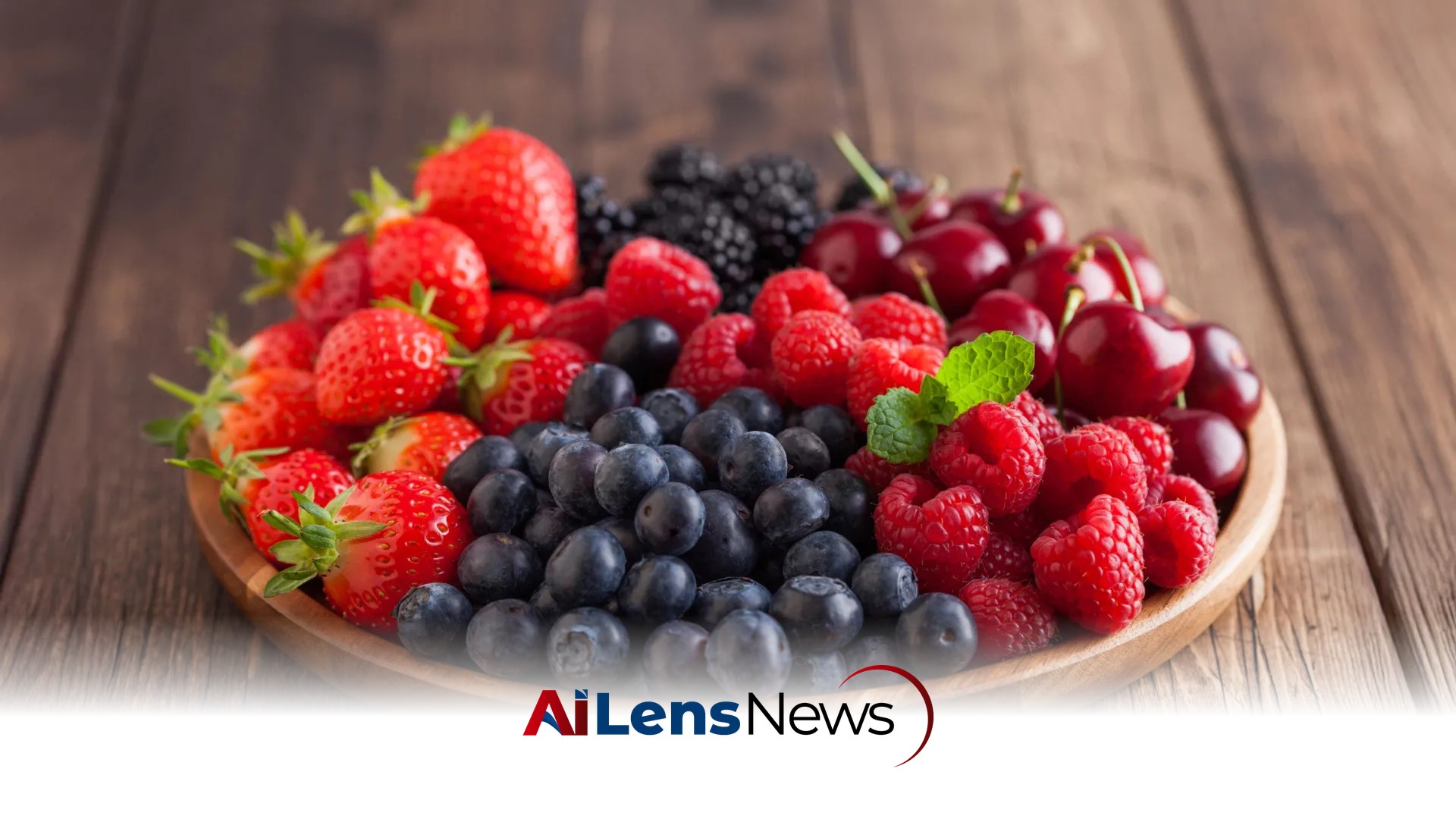
New Delhi, India Jun 19, 2026 ALN: Adding foods like blueberries, plums, blackberries, broad beans, and cherries to your daily diet, especially when paired with green tea, could be a simple way to support heart , according to new research.
A large international study led by scientists from the University of Reading, Harvard Medical School, the University of California Davis, and Mars, Inc., found that most people are not consuming enough flavanols, natural compounds linked to a lower risk of heart disease. Flavanols are a type of flavonoid, a class of compounds widely found in plants that have antioxidant properties, which can help reduce inflammation and improve blood vessel function.
The researchers discovered that fewer than 20% of people reached the flavanol intake level associated with heart benefits. Even many individuals who regularly ate the recommended five daily servings of fruits and vegetables failed to meet that target. This indicates a significant gap between general dietary recommendations and the specific nutrient intake necessary for optimal heart .
Published on June 8, 2026, in the journal Food and Function, the study analyzed dietary data from more than 30,000 people in the United Kingdom and the United States using biomarker measurements to assess flavanol intake. Biomarkers provide a more accurate picture of nutrient consumption than self-reported dietary surveys, which can be subject to bias and inaccuracies.
Dr. Javier Ottaviani, the study's lead author, stated, "Flavanols can significantly reduce the risk of dying from cardiovascular disease, but only if you consume enough of them. Most people assume that eating plenty of fruit and vegetables covers this, but what this research shows is that the specific choices you make matter far more than the total amount. Including a handful of blackberries, a whole apple, or having a cup of green tea alongside your meal could make a real difference to how much of these beneficial compounds you actually consume and absorb from the diet." This highlights the importance of not only quantity but also the quality of food choices in achieving benefits.
The findings suggest that simply increasing fruit and vegetable intake may not be enough. The specific foods people choose appear to play an important role in determining how many flavanols they actually consume. This calls into question the effectiveness of broad dietary guidelines that emphasize general consumption of fruits and vegetables without specifying which types are most beneficial.
Earlier research, including the COSMOS study, the largest clinical trial to examine flavanols, found that consuming 500 milligrams of flavanols per day significantly lowered the risk of death from heart disease. The new study indicates that most people remain well below that level, even when following standard dietary recommendations such as the NHS Eatwell Guide, which promotes a balanced diet rich in various food groups.
Researchers identified the following foods as some of the richest dietary sources of flavanols per serving:
The results also raise questions about whether current nutrition recommendations could do a better job of helping people obtain beneficial compounds such as flavanols. As public initiatives strive to combat rising rates of heart disease, understanding the nuances of dietary components becomes increasingly important.
Professor Gunter Kuhnle of the University of Reading remarked, "Five-a-day is the right message, but we may need to think more carefully about which five. Different fruits and vegetables offer very different nutritional benefits beyond vitamins and minerals, and as our understanding of these compounds grows, there is a real opportunity to make dietary guidance more specific and more effective. This research is a step towards understanding what that might look like in practice." This statement underscores the potential for evolving dietary guidelines to incorporate more targeted recommendations that prioritize foods rich in flavanols.
The researchers say the findings highlight an important point. While eating plenty of fruits and vegetables remains a cornerstone of a y diet, the types of produce chosen may have a significant impact on heart benefits. This is particularly relevant in the context of increasing public awareness about nutrition and , as consumers become more interested in understanding the specific benefits of the foods they eat.
As the body of research surrounding flavanols and cardiovascular expands, it may lead to changes in how professionals advise patients regarding dietary choices. For individuals looking to improve their heart , incorporating a variety of flavanol-rich foods into their diet alongside traditional recommendations could be a practical approach. This may also encourage food producers and marketers to highlight the flavanol content of their products, potentially influencing consumer choices.
In conclusion, the study emphasizes the importance of not only consuming fruits and vegetables but also selecting those that are rich in flavanols to maximize heart benefits. As researchers continue to explore the relationship between diet and cardiovascular , the insights gained will be crucial for developing effective public strategies aimed at reducing heart disease risk worldwide.
Understanding flavanols and their role in heart is not just an academic exercise; it has real-world implications for public initiatives and individual dietary choices. The study underscores the need for a more nuanced approach to dietary guidelines that goes beyond the basic recommendations of eating fruits and vegetables. As the evidence mounts regarding the specific benefits of flavanol-rich foods, there is a pressing need to educate the public about which foods can provide the most significant benefits.
Moreover, the findings may prompt care professionals to reassess how they counsel patients on nutrition. Rather than merely encouraging increased fruit and vegetable consumption, care providers might start to emphasize the inclusion of specific flavanol-rich foods in their patients' diets. This shift could lead to better outcomes as patients become more informed about the impact of their food choices on heart .
In the broader context of dietary patterns and public , this research could influence policy decisions regarding food labeling and marketing. If consumers are made aware of the flavanol content in foods, they may be more likely to choose products that support their heart . This could also lead to a competitive market where food producers strive to create and promote products that are high in flavanols, ultimately benefiting public .
As the dialogue around nutrition continues to evolve, it is essential for researchers, care professionals, and policymakers to collaborate in order to translate these findings into actionable recommendations. This collaboration will be crucial in addressing the growing burden of cardiovascular disease and improving the overall of populations.
In summary, the study serves as a reminder that while general dietary guidelines are important, they must be complemented by specific advice regarding nutrient-dense foods. By focusing on the quality of food choices, particularly those rich in flavanols, individuals can take proactive steps toward enhancing their heart and reducing the risk of cardiovascular disease.
To learn more about the latest developments in Fitness & Nutrition, stay updated with our exclusive reports and analyses on AiLensNews.

