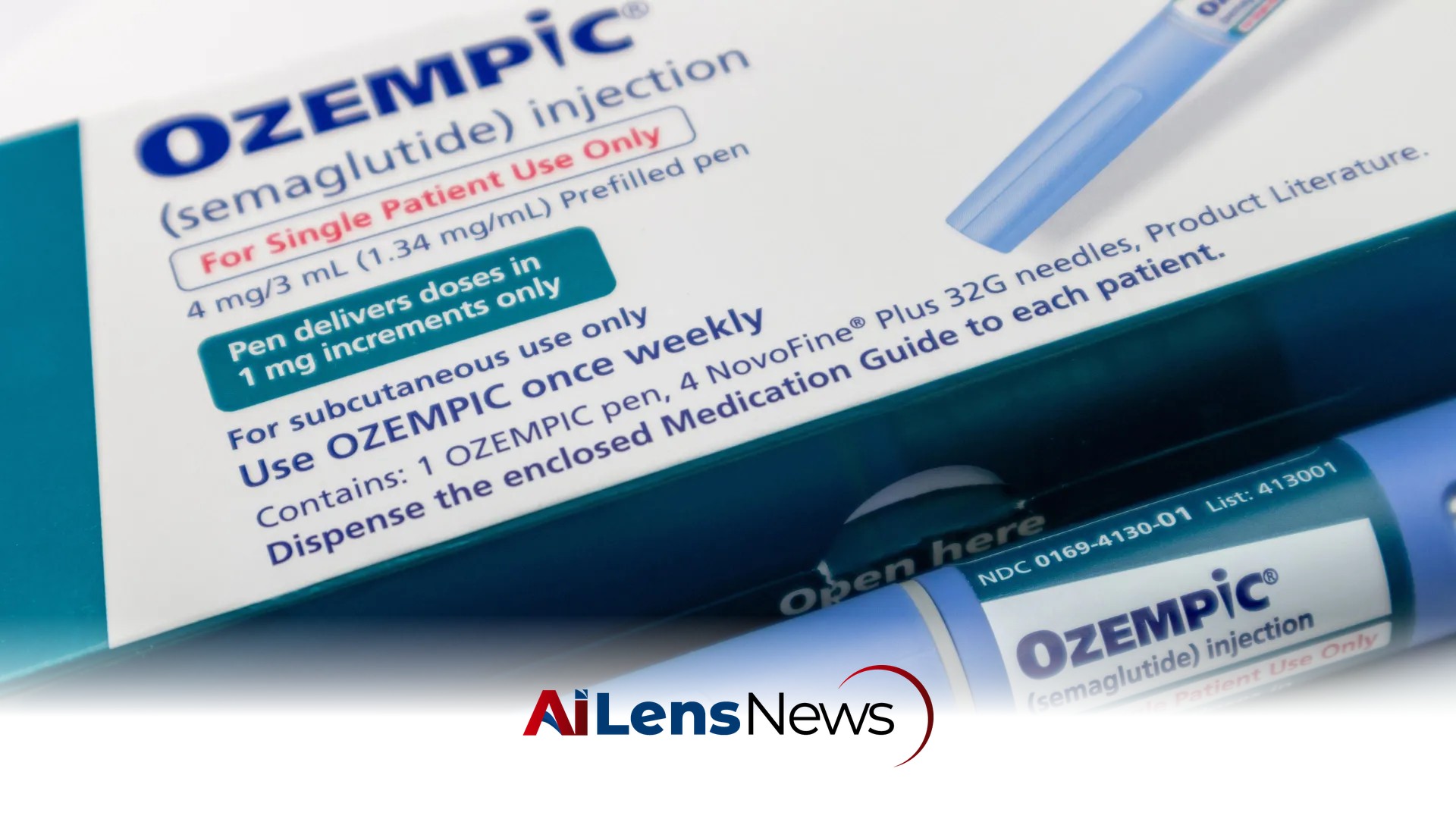


A surge in poison control calls linked to semaglutide (Ozempic and Wegovy) highlights the need for better patient education on proper dosing.
New Delhi, India Jul 9, 2026 ALN: The explosive growth in semaglutide (Ozempic and Wegovy) after its FDA approval for chronic weight management in 2021 was accompanied by another trend that drew researchers' attention: a dramatic increase in calls to poison control centers across the United States. This phenomenon has raised critical questions about the implications of rapid medication adoption, particularly concerning patient education and safety.
Jordan Miller, then an undergraduate student at UT San Antonio, wanted to find out whether the surge in poison control cases was directly connected to the FDA's expanded approval of semaglutide or if the timing was merely coincidental. This inquiry reflects a broader concern in the medical community regarding the balance between the benefits of new treatments and the potential risks associated with their widespread use.
Originally introduced as a treatment for type 2 diabetes, Glucagon-Like Peptide-1 Receptor Agonists (GLP-1RAs) quickly gained widespread popularity after the FDA approved semaglutide for weight management. The approval opened the floodgates for a broader demographic seeking weight loss solutions, which, while beneficial for many, also posed new challenges in terms of safe usage. As demand for the drug accelerated, poison control centers also began reporting a steep increase in calls, with semaglutide standing out far above other medications.
"One of them was this quite odd category of semaglutide," said David Han, Miller's research mentor and Romo Endowed Professor in the UT San Antonio Department of Statistics & Data Science. "We suspected that the call volume was skyrocketing because of the misuse and mishandling of this drug and that it may be attributed to the FDA approval of this drug for weight management." This suspicion underscores the need for ongoing surveillance and research into how new medications are utilized in real-world settings.
Working with Han through the Provost's Undergraduate Research Fellowship, Miller collaborated with Long School of Medicine researchers Robert S. Miller, Pharm.D, senior specialist in poison information, and Shawn M. Varney, MD, professor in the Department of Emergency Medicine and medical director of the South Texas Poison Center, to analyze national poison control data. Their collective efforts highlight the importance of interdisciplinary approaches in addressing public issues.
Miller later presented the research at UT San Antonio's Los Datos conference, where the project earned first place. This recognition not only reflects the quality of the research but also the increasing importance of data-driven studies in understanding public trends.
Before 2021, poison control centers nationwide typically handled between 1,000 and 1,500 GLP-1RA related cases each year. After the middle of 2021, that number nearly doubled, and by 2023 poison centers had recorded more than 8,000 GLP-1RA related calls. This sharp increase raises alarms about the adequacy of current educational initiatives surrounding new medications.
Although most incidents involved accidental dosing or therapeutic mistakes rather than intentional misuse, the sheer size of the increase surprised the research team. "In that figure that tracks the increase by specific drug, I wasn't expecting semaglutide to be so incredibly dominant," Jordan Miller recalled. "I figured that it would lead the pack, but it was staggering. On the other hand, it makes sense with all the media attention." This observation suggests that heightened media coverage and public interest can lead to increased usage, but also potential misuse.
Han said the project illustrates how data science can uncover meaningful public trends instead of simply producing statistics. "This work demonstrates the quantified impact of these drugs on public ," he said. "Statistics, data science, analytics, machine learning, and AI are meant to help people. We use them to transform data from any field into meaningful insight and informed action. Without that focus, it becomes hollow -- numbers without real impact." This perspective emphasizes the role of data in shaping care policies and practices.
The project began after Miller decided to ask a professor about possible research opportunities, a step she nearly skipped. "You lose nothing by asking," she said. "If you have a professor you really get along with or admire, you lose nothing by asking them what they're working on or if they have space for a research assistant. I got really lucky with Dr. Han saying, 'I'm here to help -- you pick what you want to work on.'" This anecdote serves as a reminder of the importance of mentorship and initiative in academic settings.
The team's analysis showed that the FDA's approval of semaglutide for weight management marked a clear turning point. Both the number and type of poison control calls changed significantly after approval, reflecting the rapid expansion of semaglutide use beyond people with diabetes to a much larger population seeking weight loss. This shift necessitates a reevaluation of how medications are prescribed and monitored, particularly as they are adopted by individuals for whom they were not originally intended.
"When the GLP-1[RA] drugs are being sold to diabetic patients, that's a completely different story versus when the drug is used for weight management," Han explained. "So, we had to quantify this evidence to show that it stemmed from the FDA approval and how to contain the risk. We need to better educate the public because how this drug behaves in our body and its long-term safety are not yet fully understood." This statement highlights a gap in knowledge that could have implications for patient outcomes and care practices.
The researchers found that many of the poison control cases could have been avoided with better patient education. Semaglutide is designed to be injected once a week, not every day. Patients also begin treatment with a low dose that is gradually increased over time. This dosing regimen is critical for minimizing side effects and ensuring the medication's effectiveness.
The data showed that two of the most common mistakes were taking the medication daily instead of weekly and starting immediately with the highest dose instead of following the recommended step-by-step schedule. "Can you imagine something you're supposed to trickle up to, and you're going full blast and seven times more often than you're supposed to?" Jordan Miller said. This metaphor illustrates the potential dangers of misunderstanding medication instructions, which can lead to serious consequences.
According to both Miller and Han, improving education at every step of the prescribing process, from the doctor's office to the pharmacy counter, could help prevent many of these medication errors. This recommendation underscores the need for a comprehensive approach to patient education that includes clear communication from care providers, as well as accessible resources for patients.
The research was featured as the cover story in Significance, the flagship magazine of the Royal Statistical Society and the American Statistical Association. The findings were also published in the Journal of Medical Toxicology, the official journal of the American College of Medical Toxicology. This dissemination of knowledge is vital for informing care professionals and the public about the potential risks associated with new medications, particularly those that become popular in a short time frame.
In conclusion, the case of semaglutide serves as a cautionary tale about the rapid adoption of new medications and the necessity of ensuring that patients are adequately informed about their use. As care continues to evolve, the lessons learned from this research can guide future practices in medication management, patient education, and public initiatives. The findings highlight the critical intersection of pharmaceutical innovation, patient safety, and the role of data in shaping effective care strategies.
To learn more about the latest developments in Health News, stay updated with our exclusive reports and analyses on AiLensNews.

