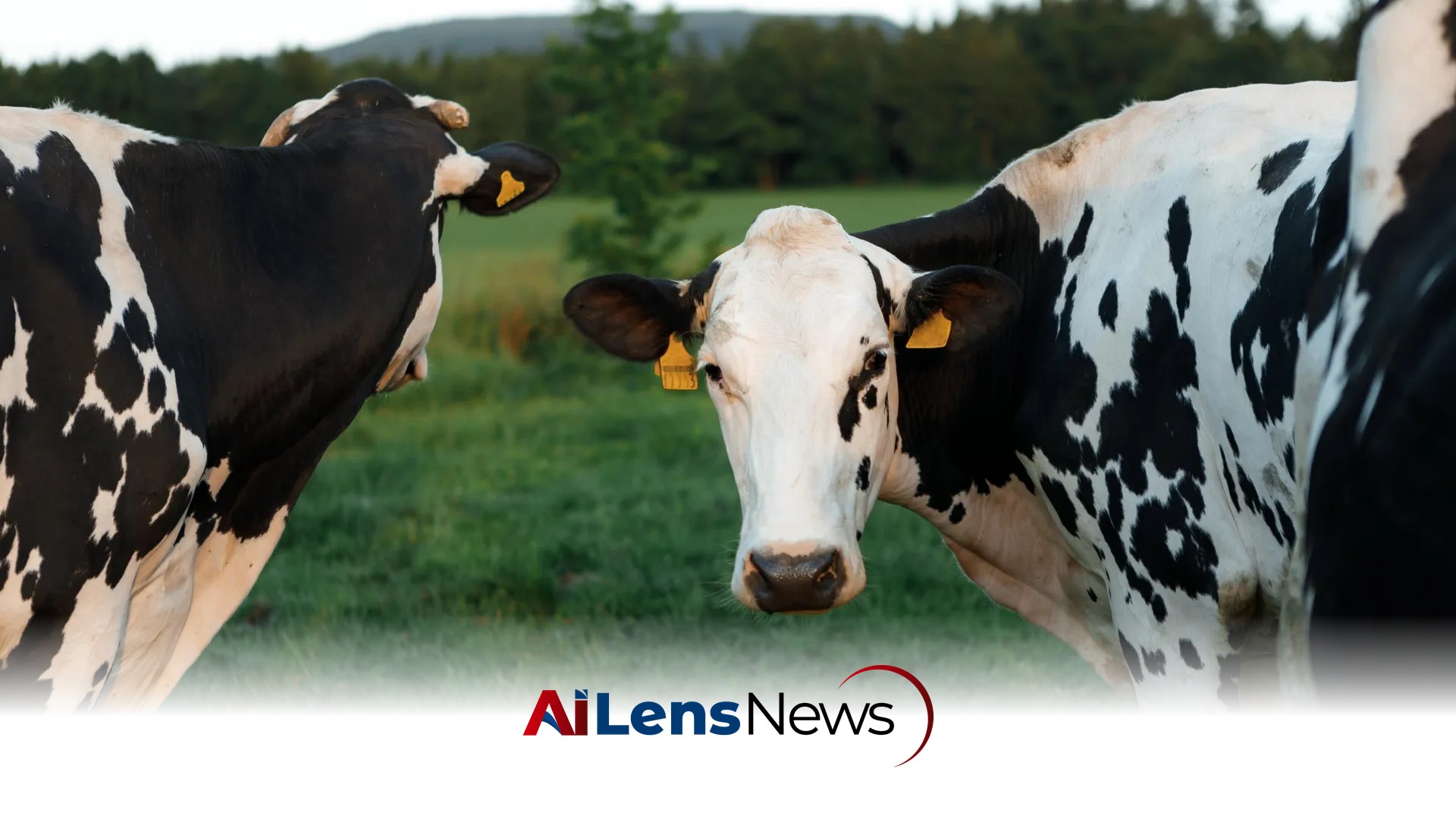


Researchers have discovered why H5N1 bird flu infects dairy cows' udders instead of their lungs, shedding light on the virus's behavior and potential future outbreaks.
New Delhi, India Jun 23, 2026 ALN: The emergence of H5N1 bird flu in U.S. dairy cattle in early 2024 marked a significant and alarming development in the realm of animal , as well as public concerns. Traditionally, H5N1 is known for its severe impact on avian species, particularly birds. However, its unexpected manifestation in dairy cattle raised questions about the virus's adaptability and the potential for cross-species transmission. This situation not only posed risks to the livestock industry but also highlighted the need for a deeper understanding of the virus's behavior in non-avian hosts.
The initial outbreak was reported in the Texas Panhandle, an area known for its extensive dairy farming operations. As veterinarians began to investigate the unusual cases of mastitis—specifically necrotizing mastitis, a painful and damaging inflammation of the mammary glands—they initially focused on common bacterial pathogens that typically cause such infections in dairy cows. The discovery that H5N1 was the underlying cause took many in the veterinary field by surprise. This unexpected finding underscored a significant gap in knowledge regarding the potential for avian viruses to infect mammals, particularly in agricultural settings where close contact between animals and humans is prevalent.
Senior author Suresh Kuchipudi, Ph.D., who chairs the Infectious Diseases and Microbiology department at the University of Pittsburgh, noted that the initial responses to the outbreak were guided by traditional veterinary practices. The realization that H5N1 could infect cattle and lead to severe udder infections prompted a reevaluation of assumptions about the virus's host range. "When the real culprit turned out to be bird flu, everyone in the field was caught completely by surprise. We hadn't even remotely considered that cattle could be a host for H5N1," Kuchipudi stated, emphasizing the need for vigilance and adaptability in veterinary medicine.
As the virus spread from herd to herd, it contaminated not only the cattle but also their environments, raising concerns about the implications for farm workers and other animals. The virus's ability to shed into milk was particularly alarming, as it posed potential risks for those handling raw milk products. Reports of domestic cats falling ill after consuming raw milk from infected cows further illustrated the interconnectedness of animal and human , highlighting the importance of food safety practices such as pasteurization, which effectively eliminates the virus.
The complexities of influenza viruses, particularly their interaction with host cells, are critical in understanding how they infect different species. Influenza viruses, including H5N1, attach to cells through specific receptors, known as glycans. These receptors vary significantly between species and tissues, which can dictate the virus's pathogenicity and the symptoms it produces. Previous research indicated that glycan receptors associated with influenza were present in the respiratory tracts of cattle, leading researchers to anticipate respiratory symptoms. However, the absence of such symptoms in infected cows necessitated a deeper investigation into the virus's behavior within the host.
To unravel the biological mechanisms at play, Kuchipudi collaborated with Lauren E. Pepi, Ph.D., a researcher from Harvard Medical School specializing in glycomics, the study of glycan structures. Together, they employed a range of advanced techniques, including binding experiments and ultra-high-resolution imaging, to analyze how H5N1 interacted with various tissues. Their findings revealed that the virus specifically binds to N-linked sialic acid receptors, which are abundant in the udder tissue of dairy cows but scarce in the respiratory tract. This discovery elucidated why H5N1 caused severe mastitis rather than respiratory illness in cattle, identifying the udder as a "perfect breeding ground for the virus."
This research not only clarifies the unique manifestation of H5N1 in dairy cattle but also has broader implications for understanding the virus's potential to infect other species. The ability to predict how H5N1 might behave in different animals could be crucial for preventing future outbreaks. Kuchipudi emphasized the importance of preemptive screening, suggesting that scientists could assess various species and their tissues to determine susceptibility to H5N1. This proactive approach could help identify which animals might exhibit respiratory symptoms, mastitis, or even neurological diseases, as seen in previous studies involving cats. Such predictive capabilities could significantly enhance our preparedness for emerging infectious diseases.
As the research continues to unfold, it highlights the importance of interdisciplinary collaboration in addressing complex issues. The study involved contributions from multiple researchers, including Surabhi Srinivas, M.S., Shubhada K. Chothe, Ph.D., Santhamani Ramasamy, Ph.D., Sougat Misra, Ph.D., Noel Chandan Nallipogu, M.D., MPH, and Lindsey LaBella from the University of Pittsburgh, along with collaborators from Pennsylvania State University and North Dakota State University. Their collective expertise underscores the multifaceted nature of infectious disease research and the necessity of integrating knowledge from various scientific fields to tackle emerging threats.
The implications of this research extend beyond the immediate concerns of H5N1 in dairy cattle. As the interconnectedness of animal and human becomes increasingly recognized—often referred to as the One approach—understanding how zoonotic diseases can emerge and evolve is paramount. The findings from this study may not only inform strategies for managing H5N1 outbreaks but also contribute to a broader framework for monitoring and controlling other zoonotic diseases that may pose threats to both animal and human populations.
In conclusion, the investigation into H5N1's unexpected behavior in dairy cattle has provided valuable insights into the virus's adaptability and host interactions. By elucidating the biological mechanisms that allow H5N1 to thrive in non-avian species, researchers are better equipped to anticipate and mitigate future outbreaks. The study serves as a reminder of the importance of vigilance in animal and the need for ongoing research to understand the complexities of infectious diseases in our ever-changing world.
To learn more about the latest developments in Diseases & Conditions, stay updated with our exclusive reports and analyses on AiLensNews.

