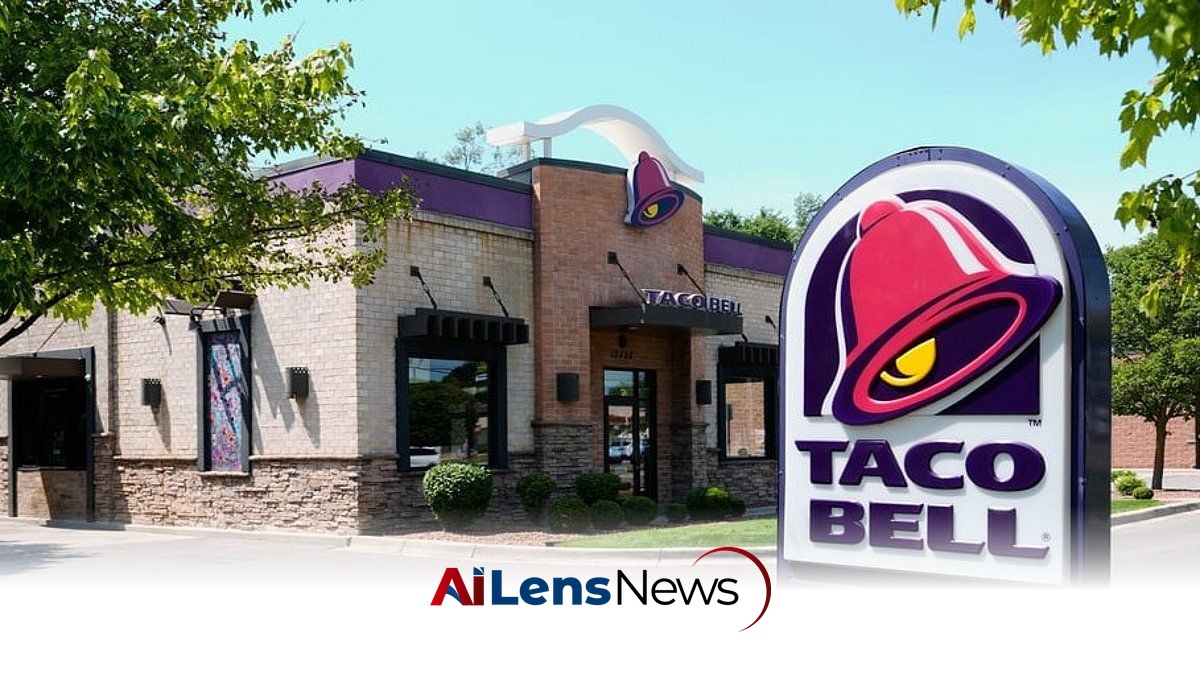


US officials have traced a multistate outbreak of cyclosporiasis to shredded iceberg lettuce used by Taco Bell, affecting over 1,600 individuals.
Riyadh, Saudi Arabia Jul 17, 2026 ALN: New York: US officials on Friday pinned the source of a diarrhea-causing foodborne parasite as shredded iceberg lettuce used by the fast food chain Taco Bell.
A federal investigation by the Food and Drug Administration traced the contamination back to a single supplier of iceberg lettuce from Mexico, which was used by Taco Bell locations in five states, according to a statement from the Centers for Disease Control and Prevention (CDC).
The CDC said that more than 1,644 people in five states -- Indiana, Kentucky, Michigan, Ohio, and West Virginia -- were confirmed to be infected with cyclosporiasis, which can cause "explosive diarrhea," among other symptoms.
There have been no deaths and 94 hospitalizations related to that outbreak, the health agency said.
The CDC confirmed that those illnesses were lab-confirmed and linked specifically to the outbreak at Taco Bell locations in those states.
The figure does not encompass all cyclosporiasis infections arising from other causes.
The CDC did not name the supplier, but The Washington Post -- citing unnamed sources familiar with the investigation -- reported that Taylor Farms, which has production facilities across the country, Canada, and Mexico, had sold the lettuce.
Federal officials warned against eating shredded iceberg lettuce from Taco Bell in the impacted five states.
In a statement, Taco Bell said it has "taken immediate action to voluntarily remove potentially impacted lettuce from a supplier in select states."
"The affected ingredient from our supplier is being indefinitely removed from our supply chain nationwide and will be replaced within 24 hours in select states," the company added.
"We believe public health is a shared responsibility among restaurants, their suppliers, and authorities, and we are proud to have consistently acted quickly and proactively to protect our guests."
Untreated, cyclosporiasis could last more than a month. It is generally not life-threatening but can cause dehydration.
Michigan has been particularly hard hit this year by the parasite, and authorities there have reported more than 5,000 cases.
The FDA cautioned that individual state data often differs from national surveillance numbers as states often include both probable and confirmed cases. There is also a lag between reporting and updating national data.
Cyclosporiasis is caused by the Cyclospora cayetanensis parasite, which is typically found in contaminated food or water. The symptoms of cyclosporiasis can include severe diarrhea, loss of appetite, weight loss, stomach cramps, nausea, and fatigue. The onset of symptoms can occur about a week after exposure to the parasite, and while the illness is rarely fatal, it can lead to significant discomfort and health complications, particularly in vulnerable populations such as the elderly or those with weakened immune systems.
The connection between the outbreak and Taco Bell's shredded lettuce highlights ongoing challenges in the food supply chain, particularly concerning fresh produce. Contamination can occur at various stages of production, from the farm to processing and distribution. Given the complex nature of modern agriculture and food distribution, identifying the source of contamination can be a lengthy and complicated process.
In recent years, there have been several outbreaks linked to fresh produce, including lettuce, spinach, and tomatoes. These incidents have raised concerns about food safety practices in agricultural operations and the need for improved regulations and monitoring systems. The FDA and CDC have been working to enhance food safety protocols and improve traceability within the food supply chain to prevent similar outbreaks in the future.
In response to this outbreak, health officials have urged consumers to be vigilant about food safety, particularly when it comes to fresh produce. Washing fruits and vegetables thoroughly before consumption is a recommended practice, although it may not always eliminate the risk of contamination from pathogens like Cyclospora.
As Taco Bell navigates the fallout from this outbreak, the company faces not only public health concerns but also potential reputational damage. Fast food chains often rely on consumer trust to maintain their customer base, and incidents like this can lead to a decline in sales as customers may choose to avoid locations associated with foodborne illnesses. Taco Bell's proactive response, including the removal of potentially contaminated products and public statements emphasizing their commitment to food safety, may help mitigate some of the negative impacts on their brand.
Looking ahead, the implications of this outbreak extend beyond Taco Bell and its customers. It underscores the importance of collaboration between food suppliers, restaurants, and health authorities to ensure the safety of the food supply. Ongoing education and training for food handlers, as well as rigorous inspections of food processing facilities, are crucial components in preventing future outbreaks.
The investigation into this outbreak is ongoing, and health officials will likely monitor the situation closely to assess the effectiveness of the measures taken by Taco Bell and the supplier involved. The CDC and FDA will also continue to provide updates to the public as more information becomes available, emphasizing the need for transparency and accountability in the food industry.
In conclusion, the outbreak linked to Taco Bell's shredded lettuce serves as a reminder of the vulnerabilities within our food systems and the need for ongoing vigilance in food safety practices. As consumers, it is essential to stay informed about foodborne illness outbreaks and to practice safe food handling at home. The collective efforts of health authorities, food suppliers, and restaurants are critical in safeguarding public health and ensuring that similar incidents do not occur in the future.
The ramifications of this outbreak may also lead to increased scrutiny of food safety regulations at both the federal and state levels. Lawmakers may be prompted to introduce new legislation aimed at enhancing food safety standards, particularly for fresh produce, to prevent future outbreaks. It is crucial for these regulations to be backed by scientific research and best practices to effectively address the challenges posed by foodborne pathogens.
Moreover, the incident may stimulate discussions about the overall state of food supply chains in the United States. As consumer demand for fresh produce continues to rise, the pressure on suppliers to deliver safe and high-quality products increases. This situation may lead to innovations in agricultural practices, including the adoption of advanced technologies for monitoring and controlling food safety risks.
In light of this outbreak, Taco Bell and other fast-food chains may also reconsider their sourcing practices and supplier relationships to ensure that they are partnering with vendors who adhere to stringent food safety protocols. This could involve more rigorous vetting processes for suppliers and more frequent audits of their operations to ensure compliance with safety standards.
Ultimately, the Taco Bell outbreak serves as a critical case study for the food industry, illustrating the interconnectedness of food safety, public health, and consumer trust. It emphasizes the need for all stakeholders in the food supply chain to take proactive measures to safeguard the health of consumers and maintain the integrity of the food system.
To learn more about the latest developments in Health News, stay updated with our exclusive reports and analyses on AiLensNews.

