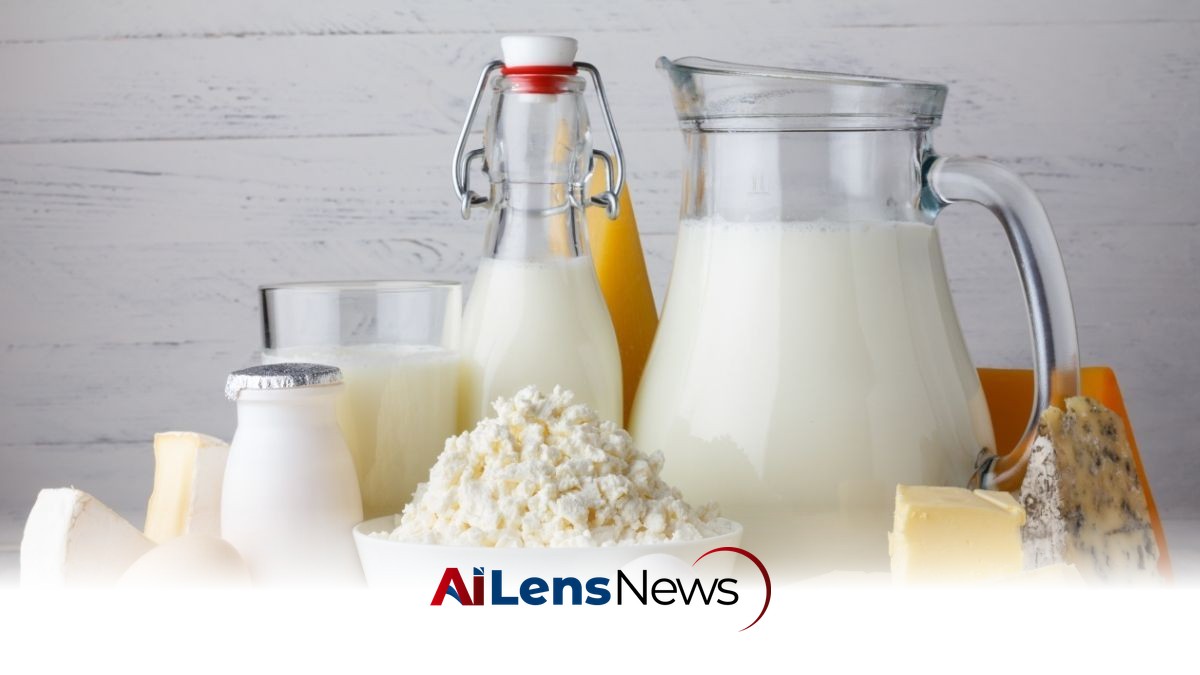


The Ministry of Public Health has updated dairy product import requirements to enhance food quality standards, removing Cyprus from the approved list.
Doha, Qatar Jul 25, 2026 ALN: The Ministry of Public Health (MOPH) has taken significant steps to enhance the safety and quality of dairy products available in the market by updating the import standards for these goods. This initiative aligns with broader Cabinet directives that emphasize the importance of maintaining high-quality standards for both imported and locally produced food products. One of the notable changes in this update is the removal of Cyprus from the list of countries approved for dairy imports, which raises questions about the implications for trade relationships and food safety standards.
The new requirements were officially implemented on 2 July 2026, marking a substantial amendment to the circular that was originally issued in May 2022. The updated regulations not only reflect a more stringent approach to food safety but also incorporate the latest guidelines from the World Organisation for Animal Health (OIE), particularly concerning the management of diseases such as foot-and-mouth disease, which can severely impact livestock health and, subsequently, food safety.
With the updated list now including 63 countries and the territory of New Caledonia, the MOPH aims to ensure that all dairy products entering the market meet rigorous health and safety standards. The exclusion of Cyprus from this list could indicate concerns regarding its compliance with these standards or potential outbreaks of animal diseases that could affect dairy production. This decision underscores the MOPH's commitment to protecting public health and ensuring that only safe and high-quality dairy products are available to consumers.
The updated requirements for dairy products encompass various categories, particularly focusing on ultra-high temperature (UHT) milk. The ministry has clarified that these requirements apply to all sizes and varieties of UHT milk, which includes:
However, it is important to note that the requirements do not extend to UHT milk products that contain natural flavouring ingredients such as coffee, cocoa, fruits, or juices. This exemption may be due to the different processing methods and shelf-life considerations of these flavored products.
Additionally, the updated requirements for pasteurised milk cover all varieties, mandating compliance with approved storage temperatures and shelf-life limits. This is critical for maintaining the safety and quality of pasteurised products, which are widely consumed. Furthermore, products boasting extended shelf lives are required to obtain prior approval before importation, ensuring that they meet the necessary safety standards.
The updated regulations also apply to yoghurt and laban products, which include various types like Greek yoghurt, lactose-free varieties, and products fortified with beneficial bacteria. These products have gained popularity due to their health benefits, and the MOPH's regulations aim to ensure that they are produced and imported under strict health guidelines.
The MOPH has detailed requirements for cooking cream and dairy cream products, covering most cream products that contain milk ingredients. However, certain categories are excluded, including refrigerated, organic, and non-dairy alternatives. This distinction is significant as it allows for a more focused approach to monitoring the quality of traditional dairy products while recognizing the growing market for organic and plant-based alternatives.
In addition, the circular updates the requirements for processed and semi-liquid cheeses, which include spreadable varieties and products that contain vegetable oils. These changes reflect the evolving nature of dairy products and the need for regulations that keep pace with market trends.
Exemptions from the updated requirements include:
These exemptions highlight the MOPH's recognition of the unique characteristics and production methods of certain dairy products, which may not fit neatly into the standard regulatory framework. For example, infant formula is subject to its own stringent regulations due to the vulnerability of its consumers. Similarly, organic products often have different production standards that warrant separate consideration.
The ministry has urged companies to ensure that their products comply with the updated requirements before importing or marketing dairy products in Qatar. This call to action emphasizes the importance of proactive compliance and the need for businesses to stay informed about regulatory changes that can affect their operations.
In conclusion, the MOPH's updated dairy product import standards represent a significant step towards enhancing food safety and quality in Qatar. By aligning with international health guidelines and removing countries that do not meet these standards, the ministry aims to protect public health while also fostering a competitive and safe food market. As consumer awareness of food safety continues to grow, these measures are likely to be welcomed by the public and industry stakeholders alike.
Understanding the implications of these updated standards is essential for both consumers and businesses. For consumers, the changes signify a commitment to health and safety, ensuring that the dairy products they purchase are sourced from trusted suppliers that adhere to high standards. This can help to build confidence in the food supply chain, particularly in a region where food security is a growing concern due to climate change and other external factors.
For businesses, especially those involved in the dairy import market, the updated standards necessitate a thorough review of their supply chains and compliance protocols. Companies will need to engage with suppliers to ensure that all products meet the new requirements, which may involve additional costs related to testing, certification, and potential modifications in sourcing strategies. Furthermore, businesses that fail to comply with these standards risk facing penalties, product recalls, and damage to their reputations, which can have long-lasting effects on their operations.
The removal of Cyprus from the approved list also raises important questions about the future of trade relationships within the region. Cyprus has historically been a significant player in the dairy market, and its exclusion could lead to a reevaluation of trade dynamics among neighboring countries. This may prompt other nations to assess their own compliance with the new standards, potentially leading to further changes in the list of approved importers in the future.
Overall, the MOPH's initiative to update dairy product import standards reflects a proactive approach to public health and food safety. The ministry's commitment to aligning with international guidelines demonstrates a recognition of the global nature of food supply chains and the importance of maintaining rigorous safety standards to protect consumers. As these standards take effect, ongoing monitoring and assessment will be crucial to ensure that they effectively enhance food safety while also supporting the growth and sustainability of the dairy industry in Qatar.
To learn more about the latest developments in Health News, stay updated with our exclusive reports and analyses on AiLensNews.

