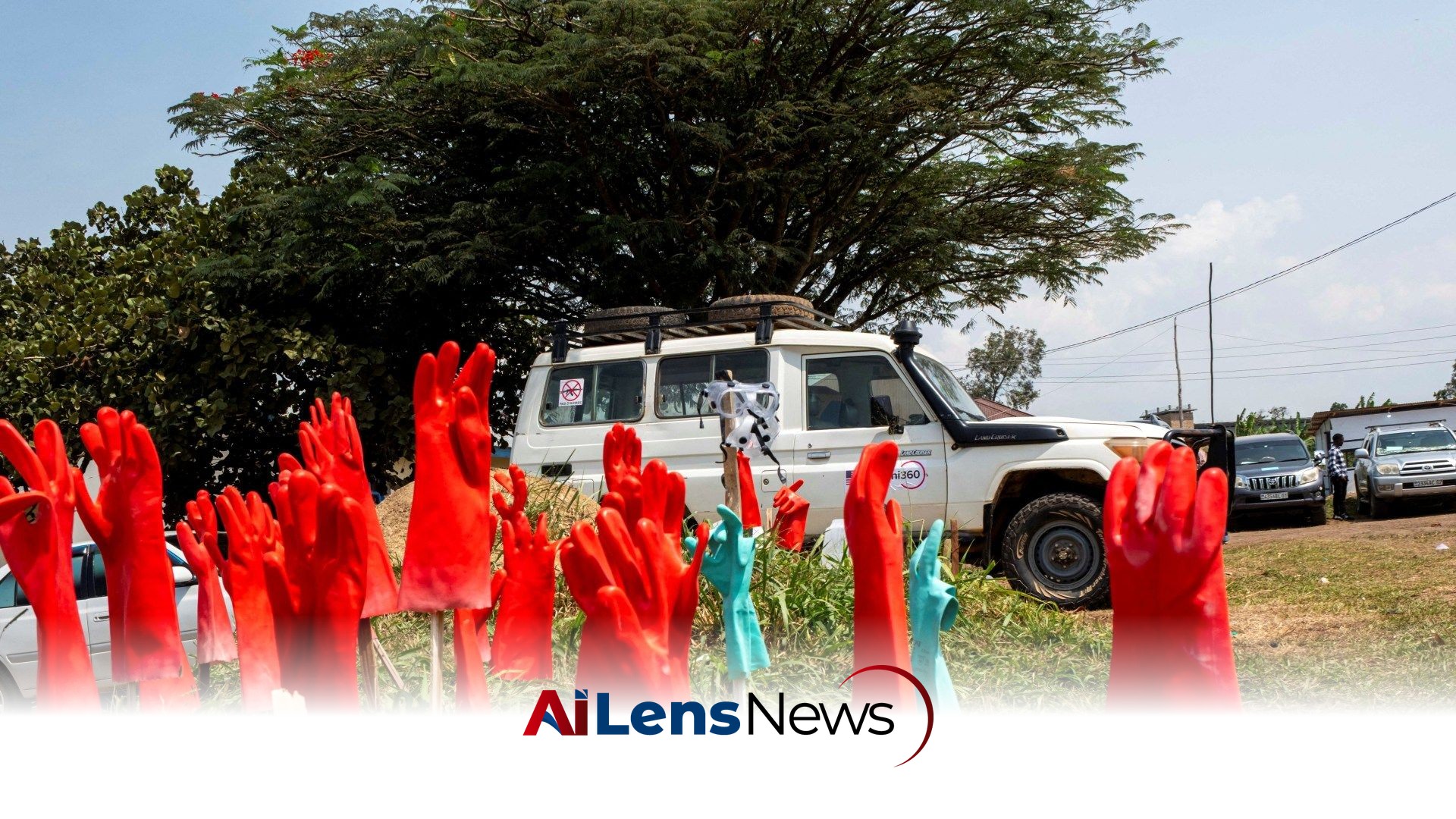


The Democratic Republic of the Congo faces a severe Ebola outbreak with over 2,000 confirmed cases as health workers strike for unpaid wages.
Doha, Qatar Jul 15, 2026 ALN: The Democratic Republic of the Congo (DRC) is currently grappling with a significant public health crisis as the number of confirmed Ebola cases in the ongoing outbreak has exceeded 2,011, accompanied by a reported 754 deaths. This alarming situation has been made worse by a strike initiated by healthcare workers in the epicenter of the outbreak, who are protesting against unpaid wages and inadequate working conditions. The implications of this crisis extend beyond immediate health concerns, touching on broader issues of governance, healthcare infrastructure, and international support.
The strike began at Bunia General Hospital in the northeastern Ituri province, a region that has been significantly affected by the Ebola outbreak. Healthcare workers, including doctors, nurses, and support staff, began obstructing the hospital's entrance on Wednesday, voicing their frustrations over the lack of compensation for their services since the outbreak began. Many of these workers have reported working under extremely challenging conditions, which include dealing with a highly infectious virus, often with limited protective equipment and resources. The protest at Bunia General Hospital is emblematic of a larger crisis within the DRC's healthcare system, where inadequate funding and organizational issues have long plagued the sector.
The protests in Bunia are not isolated incidents; they reflect a broader pattern of unrest among healthcare workers in the region. Just prior to the Bunia strike, dozens of healthcare workers, including epidemiologists and grave diggers at Rwampara General Hospital, walked off their jobs on Monday, citing that they had not received payment for several months. These strikes highlight the dire situation faced by healthcare professionals in the DRC, who are on the front lines of combating Ebola while also struggling to secure their livelihoods. The ongoing unrest among healthcare workers raises critical questions about the sustainability of health services in a country that has faced repeated outbreaks of infectious diseases.
Medical charity Doctors Without Borders (Médecins Sans Frontières, or MSF) has characterized the current Ebola outbreak as the third largest and fastest-growing outbreak on record. The organization has been actively involved in providing medical care and logistical support in the affected areas, but their efforts are hampered by the ongoing strikes and the lack of support for local healthcare workers. MSF's involvement underscores the critical role that international organizations play in responding to health crises in the DRC, but it also highlights the need for local health systems to be strengthened to ensure long-term resilience against such outbreaks.
The situation is further complicated by concerns raised by the World Health Organization (WHO) regarding the accuracy of the reported death toll. On Tuesday, the WHO warned that the official death toll could be two to four times higher than the numbers currently recorded. This discrepancy may be due to underreporting, difficulties in accessing remote areas, or a lack of resources to conduct thorough investigations into suspected cases. The challenge of accurately tracking the spread of Ebola is compounded by the DRC's vast and often inaccessible terrain, which makes it difficult for health officials to reach affected populations.
The current Ebola outbreak, which began on May 15, is attributed to the Bundibugyo strain of the virus. Unlike other strains of Ebola, such as the Zaire strain for which there are effective vaccines, the Bundibugyo strain does not have a vaccine or established treatment protocols. This poses significant challenges for healthcare workers who must manage the outbreak without the benefit of preventative measures. The absence of a vaccine for the Bundibugyo strain means that healthcare workers are left to rely on basic infection control measures, which can be difficult to implement in resource-limited settings.
In light of these challenges, WHO Director-General Tedros Adhanom Ghebreyesus announced that the first clinical trial aimed at assessing whether an antiviral drug can prevent infection in individuals exposed to the Bundibugyo virus has been launched. This trial represents a potential turning point in the fight against Ebola, as Tedros emphasized the importance of finding effective prevention methods. He stated, “If effective among high-risk contacts after exposure, this could mark a major step forward in Ebola BVD prevention.” The development of effective treatments and preventive measures is crucial, not only for the current outbreak but also for future responses to Ebola and other infectious diseases.
The ongoing strike and the broader unrest among healthcare workers underscore the urgent need for systemic changes within the DRC's healthcare system. The dual challenges of managing a deadly outbreak while advocating for their rights have placed immense pressure on healthcare professionals. Many workers feel that their contributions are undervalued and that their safety and well-being are not prioritized. The healthcare workforce is essential to controlling outbreaks, and their dissatisfaction can lead to significant consequences for public health.
Improving working conditions and ensuring timely compensation for healthcare workers is critical not only for their morale but also for the effectiveness of the response to the Ebola outbreak. The health system in the DRC has long been underfunded and overstretched, and the ongoing strikes may further weaken the already fragile healthcare infrastructure. If healthcare workers continue to withdraw their services, the implications could be dire, leading to increased transmission of the virus and higher mortality rates. The strikes illustrate a fundamental disconnect between the government’s ability to manage health crises and the realities faced by those on the ground.
Moreover, the international community must recognize the importance of supporting healthcare systems in the DRC. This support could take the form of financial assistance, provision of medical supplies, and investment in training programs for local healthcare workers. Strengthening the healthcare system will not only help in the current Ebola crisis but also prepare the country for future health emergencies. Building a resilient health system requires not just immediate resources but also long-term commitments to training, infrastructure, and governance reforms.
The situation in the DRC is a stark reminder of the interconnectedness of health, economics, and social justice. As the number of Ebola cases continues to rise, the plight of healthcare workers cannot be overlooked. Their demands for fair compensation and improved working conditions are not just about their rights; they are essential for the health and safety of the entire population. Addressing these issues is imperative for controlling the current outbreak and preventing future health crises in the DRC. The international community, local governments, and health organizations must work collaboratively to ensure that the healthcare system is adequately funded, supported, and equipped to handle both current and future public health challenges.
To learn more about the latest developments in Health News, stay updated with our exclusive reports and analyses on AiLensNews.

