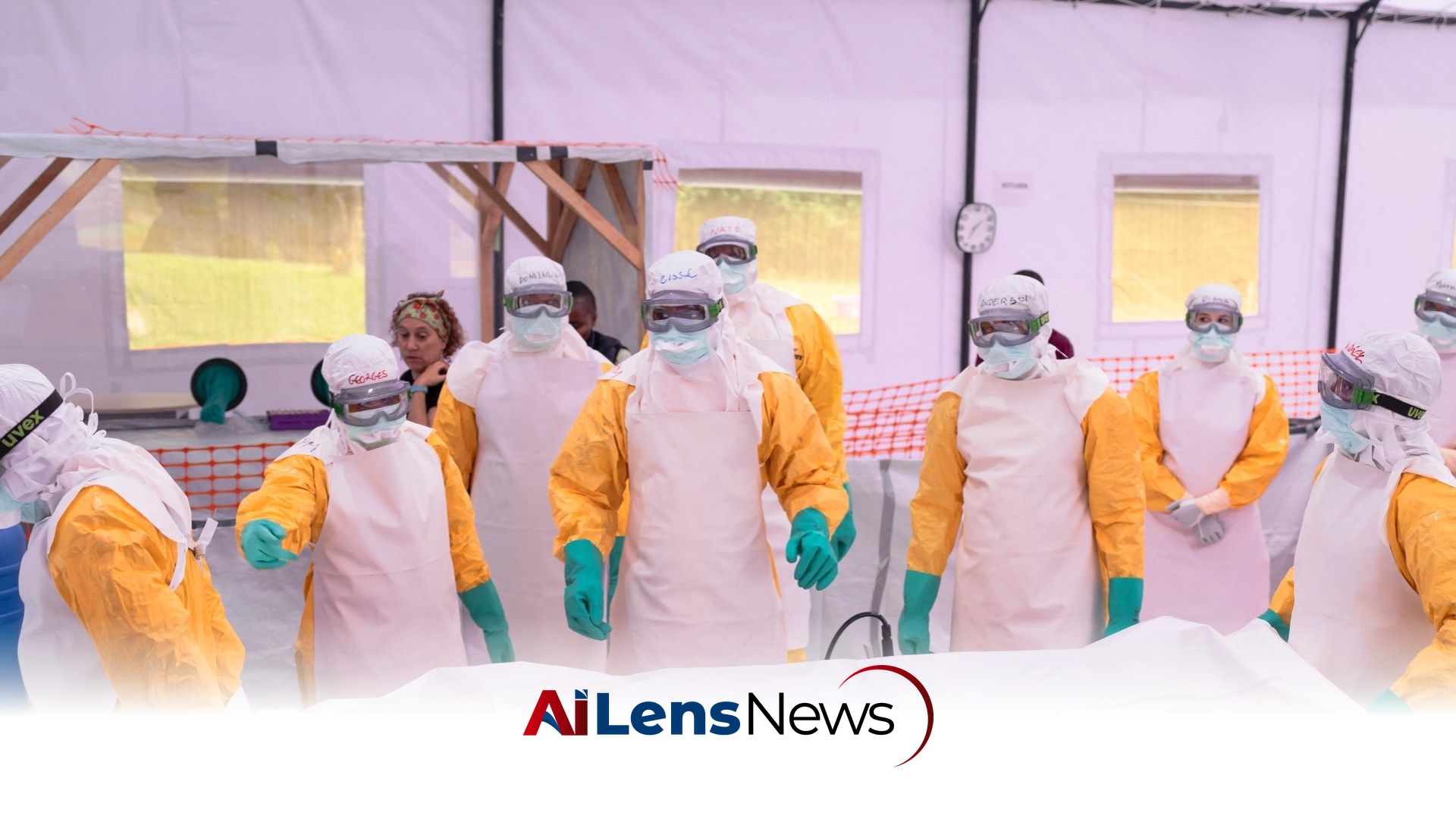


Healthcare workers at a DRC hospital treating Ebola patients strike due to unpaid wages, complicating efforts to control the outbreak as it spreads.
Doha, Qatar Jul 13, 2026 ALN: The ongoing Ebola crisis in the Democratic Republic of the Congo (DRC) has taken a significant turn as hospital staff at Rwampara General Hospital, located in Ituri province, have initiated a strike over unpaid wages. This development has led to a complete halt of operations at the facility, which is critical for treating Ebola patients amidst one of the worst outbreaks in the history of the virus.
The strike, which commenced on a Monday, has seen dozens of health workers, including epidemiologists, case investigators, drivers, and gravediggers, leave their posts. This walkout is particularly alarming given the current state of the Ebola outbreak, which has already spread to additional provinces, exacerbating the challenges faced by health authorities and the community at large. Bahati Claude, a health worker at the center, expressed the frustration shared by many, stating, "We don’t know how it is possible to not have been paid for two months." This sentiment reflects a broader issue within the healthcare system in the DRC, where inadequate funding and administrative inefficiencies often hinder the ability to provide timely and necessary medical care.
The ramifications of the strike are profound, not only for the healthcare workers but also for the patients relying on their services. With the facility now devoid of staff, the treatment of Ebola patients is severely compromised. The outbreak, which has been concentrated in northern DRC, has already inflicted devastating economic damage, pushing nearly one million people into poverty, as reported by the United Nations. The loss of healthcare services during such a critical time could lead to an increase in transmission rates and further deaths, compounding the already dire situation.
Efforts to contain the Ebola virus have been hindered by a multitude of factors. The presence of paramilitary groups in the region complicates the situation, as these groups often control territories with valuable mineral resources, diverting attention and resources away from public health efforts. Additionally, misinformation surrounding the virus has led to community distrust towards health officials. Some communities believe that the disease is a form of witchcraft, leading to violent reactions against health workers attempting to implement safety measures.
Traditional burial practices pose another significant challenge. Many bereaved families continue to hold ceremonies that ignore established safety protocols, further facilitating the spread of the virus. This cultural resistance emphasizes the need for effective community engagement strategies that respect local customs while promoting safe practices. Health authorities are faced with the daunting task of balancing respect for cultural traditions with the urgent need to implement health measures that can save lives.
In a concerning update, the DRC’s National Public Health Institute confirmed that the Ebola virus has spread to two additional provinces: Haut-Uele and Tshopo. This expansion means that five provinces now report confirmed cases of Ebola, raising alarms among health officials and international organizations. The World Health Organization (WHO) has underscored the urgency of an accelerated response from local, national, and international partners to regain control over the outbreak. The WHO's involvement is particularly crucial, as they provide technical assistance, funding, and logistical support to help contain the virus.
Health Minister Roger Kamba has acknowledged the payroll issues affecting hospital staff, stating that the government is actively working to resolve these problems. Kamba emphasized the need to ensure that payments reach the right individuals, noting that challenges related to changes in employee lists have led to complaints from staff who are not receiving their wages despite being on duty. The resolution of these issues is critical, as the morale and engagement of healthcare workers are essential in combating the Ebola crisis. Without timely compensation, the risk of further strikes and disengagement from healthcare professionals increases, jeopardizing the response to the outbreak.
As of the latest figures, the number of confirmed Ebola cases in the DRC has risen to 1,926, with a death toll reaching 702. The increasing number of cases, combined with the spread of the disease into new areas, underscores the urgent need for a coordinated response to halt the outbreak. The International Rescue Committee (IRC) has issued warnings about the deteriorating situation in already affected regions, highlighting the risk of transmission escalating further. There is also growing concern about the potential for the disease to spread to neighboring countries, particularly South Sudan, as the outbreak expands. The interconnectedness of health systems in the region means that a failure to contain the virus in the DRC could have dire consequences for public health across borders.
In a related development, a second United States citizen infected with Ebola was admitted to a specialized isolation unit at Frankfurt University Hospital in Germany. Timo Wolf, the head of the unit, reported that the patient’s condition is currently stable. The individual, who is in his 60s, contracted the disease while working for a Christian aid organization in the DRC, illustrating the global implications of the outbreak and the risks faced by humanitarian workers in the region. The admission of foreign nationals into specialized care facilities highlights the international community's responsibility to respond to global health crises and the importance of maintaining robust healthcare systems.
The situation in the DRC serves as a reminder of the complexities involved in managing infectious disease outbreaks, particularly in areas with pre-existing vulnerabilities. The combination of economic hardship, cultural beliefs, and security challenges creates a multifaceted crisis that requires a comprehensive and collaborative approach to ensure the health and safety of the population. Addressing the root causes of the outbreak, including socioeconomic factors, healthcare infrastructure, and community engagement, is essential for effective disease management.
The ongoing strike at Rwampara General Hospital highlights the critical need for adequate funding and support for healthcare workers, who are on the front lines of the battle against Ebola. Without their dedication and the necessary resources, the fight against this devastating virus will continue to face significant obstacles. The international community must prioritize investment in healthcare infrastructure and support for health workers in the DRC to prevent future outbreaks and manage existing ones effectively.
Furthermore, the DRC's experience with Ebola underscores the importance of global preparedness for infectious disease outbreaks. Lessons learned from this crisis can inform strategies for responding to future health emergencies, emphasizing the need for robust surveillance systems, effective communication strategies, and community-based interventions that respect local customs while promoting health and safety.
As the international community observes the developments in the DRC, it becomes increasingly clear that a multifaceted approach is required to combat the Ebola crisis. This includes addressing immediate healthcare needs, ensuring that healthcare workers are compensated and supported, combating misinformation, and engaging communities in health initiatives. Only through a concerted effort can the DRC hope to regain control over the outbreak and protect the health of its population.
To learn more about the latest developments in Health News, stay updated with our exclusive reports and analyses on AiLensNews.

