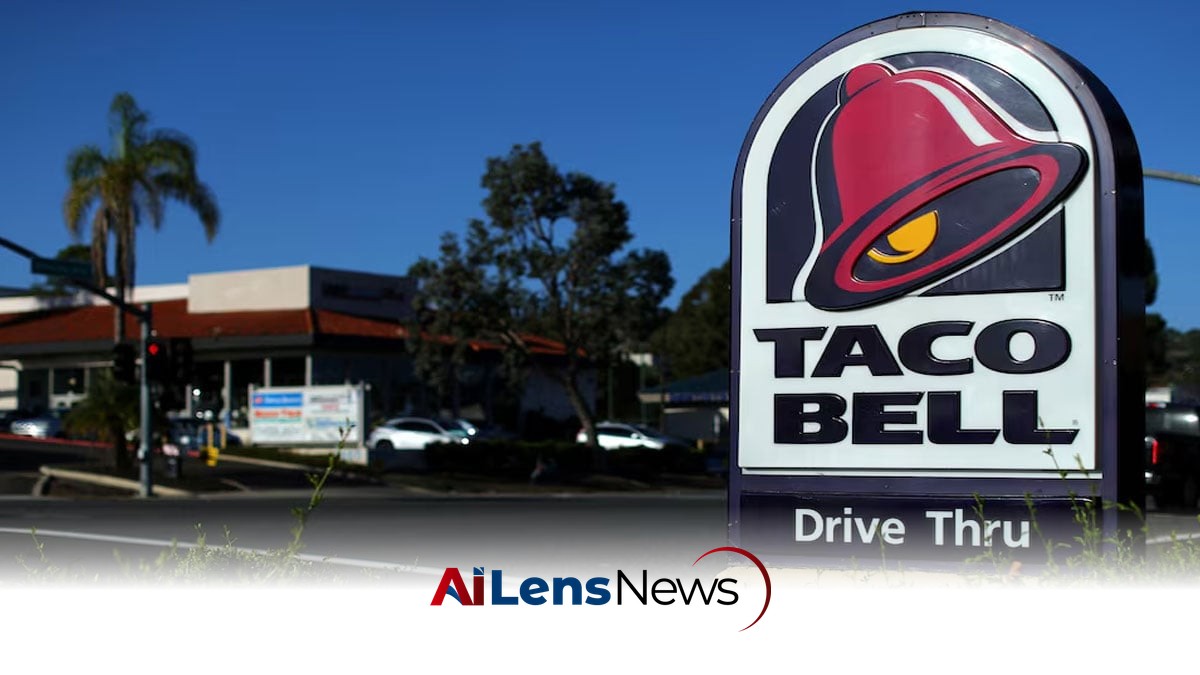


A cyclosporiasis outbreak linked to Taco Bell's shredded lettuce has led to a significant drop in foot traffic and raised health concerns among consumers.
Islamabad, Pakistan Jul 22, 2026 ALN: The United States health officials are investigating the source of the cyclosporiasis outbreak, which has sickened thousands of people in Michigan and four other states. Some reports had initially linked the parasite, Cyclospora, to a Taylor Farms plant in Mexico.
The U.S. largest foodborne illness outbreak in recent years, linked to shredded lettuce served at some Taco Bell eateries, may dent the fast-food chain’s sales, but is unlikely to cause any long-lasting damage to the brand, analysts said.
However, Mexico said on Tuesday that there was no evidence yet to suggest that lettuce sourced from it caused the outbreak in the U.S. Foot traffic at Taco Bell — owned by Yum Brands (YUM.N) — was down 30.9% as of Friday, July 17, compared with the traffic on all Fridays from January 1 through July 6, according to Placer.ai, a company that gathers foot traffic data.
“Wary consumers may temporarily take their appetites elsewhere to sidestep any perceived health risk,” said Morningstar analyst Ari Felhandler. This statement reflects a broader trend observed during foodborne illness outbreaks, where consumer behavior shifts significantly in response to health concerns, even if the actual risk is minimal or unfounded.
Shares of Yum Brands fell nearly 10% last week after Taco Bell’s link to the outbreak emerged. The company is scheduled to report quarterly results as soon as next week, and analysts are closely monitoring how the outbreak will affect their financial performance. The immediate drop in stock prices is indicative of investor sentiment, which tends to react sharply to news of health-related issues affecting major food brands.
Analysts and consultants said the outbreak would need to persist for months to materially damage the brand. They pointed to McDonald’s, which returned to growth within a few quarters of the 2024 E. coli outbreak linked to one of its most popular menu items. This historical context suggests that while Taco Bell may experience a short-term decline in sales, it is possible to recover quickly if the outbreak is contained and no further incidents occur.
Taco Bell has said it removed potentially affected lettuce from restaurants in select states as a precaution and stopped using iceberg lettuce supplied by Taylor Farms nationwide while the investigation continues. This proactive measure is crucial not only for consumer safety but also for maintaining public trust in the brand. The company's swift response reflects an understanding of the potential ramifications of food safety issues on their business operations.
“They are already making the right moves,” said Izzy Kharasch, president of Hospitality Works. “This type of action, in addition to lots of communication to the public, will get them back on track sooner rather than later.” Transparency and effective communication are vital during such crises, as they help reassure customers that the company is taking their health seriously.
ANALYSTS PREDICT SHORT-TERM IMPACT
The Tex-Mex chain has been a key driver of Yum’s growth, outperforming many rivals despite broader weakness in the restaurant industry. A long-term dip in its sales would amount to a big hit in overall revenue, which is particularly concerning for Yum Brands, given the competitive landscape of the fast-food industry.
That’s what a filing with the Federal Election Commission revealed. The financial implications of this outbreak extend beyond immediate sales losses; they could potentially affect Yum Brands' strategic initiatives and investments in marketing and expansion, which are critical for maintaining its competitive edge.
Chipotle Mexican Grill (CMG.N) took years to rebuild customer confidence and restore sales after a series of foodborne illness outbreaks in 2015. This case serves as a cautionary tale for Taco Bell, highlighting the long-term consequences that can arise from food safety issues. Chipotle's experience demonstrates the importance of not only addressing the immediate health concerns but also implementing robust safety measures and customer engagement strategies to rebuild trust.
David Mayer, senior partner at global brand and design consultancy Lippincott, brushed such concerns aside. “People have very short-term memories,” he said. “The most important thing for Taco Bell is that there is no additional food poisoning incident within the next 12 months.” This perspective suggests that while the current outbreak may cause a temporary decline in sales, consumers are likely to return if they feel assured that the brand has addressed the issue effectively.
A few Taco Bell customers Reuters spoke with echoed the sentiment. Firefighter Shai Bialer said he was confident restaurants would quickly discard the affected lettuce because they feared lawsuits. “This is the only fast food I like,” Bialer said, as he ate a bean burrito without lettuce at a Taco Bell in West Orange, New Jersey. His comments reflect a common belief among consumers that restaurants prioritize food safety to avoid legal repercussions and damage to their reputation.
Spice distributor Benny Tejeda, who has a standing biweekly Taco Bell date with his father when the pair makes a delivery at a nearby market, said the tradition meant too much to him to skip. Tejeda is skeptical of the seriousness of the outbreak, saying he struggles to trust government agencies like the FDA to disseminate accurate information. His skepticism highlights a significant challenge for public health officials and food brands alike: building and maintaining consumer trust, especially in an age of misinformation and varying perceptions of food safety.
TRANSPARENCY REASSURANCES
Other fast food chains are also protectively communicating with customers. Salad chains Sweetgreen and Chopt posted notices emphasizing that they do not use iceberg lettuce, while Chipotle highlighted to app users that it does not serve shredded iceberg lettuce. This proactive communication strategy is critical for differentiating themselves from Taco Bell and reassuring customers about the safety of their food offerings.
Just Salad separately emailed customers saying it does not use iceberg, pre-cut or shredded lettuce. These companies are taking advantage of the situation to reinforce their commitment to food safety, which can help them gain a competitive advantage during a time of heightened consumer concern.
At a New Jersey Chipotle outlet on Tuesday, Caleb Rinn, 23, said he had forgotten all about the outbreak when he ordered a burrito bowl with lettuce. Rinn said he is only mildly concerned. “No one has died from this,” he said. Then, pausing, he said: “Right?” This comment underscores a common consumer sentiment: while health concerns can impact dining choices temporarily, many individuals may quickly resume their usual habits, particularly if they perceive the risk to be low.
To learn more about the latest developments in Health News, stay updated with our exclusive reports and analyses on AiLensNews.

