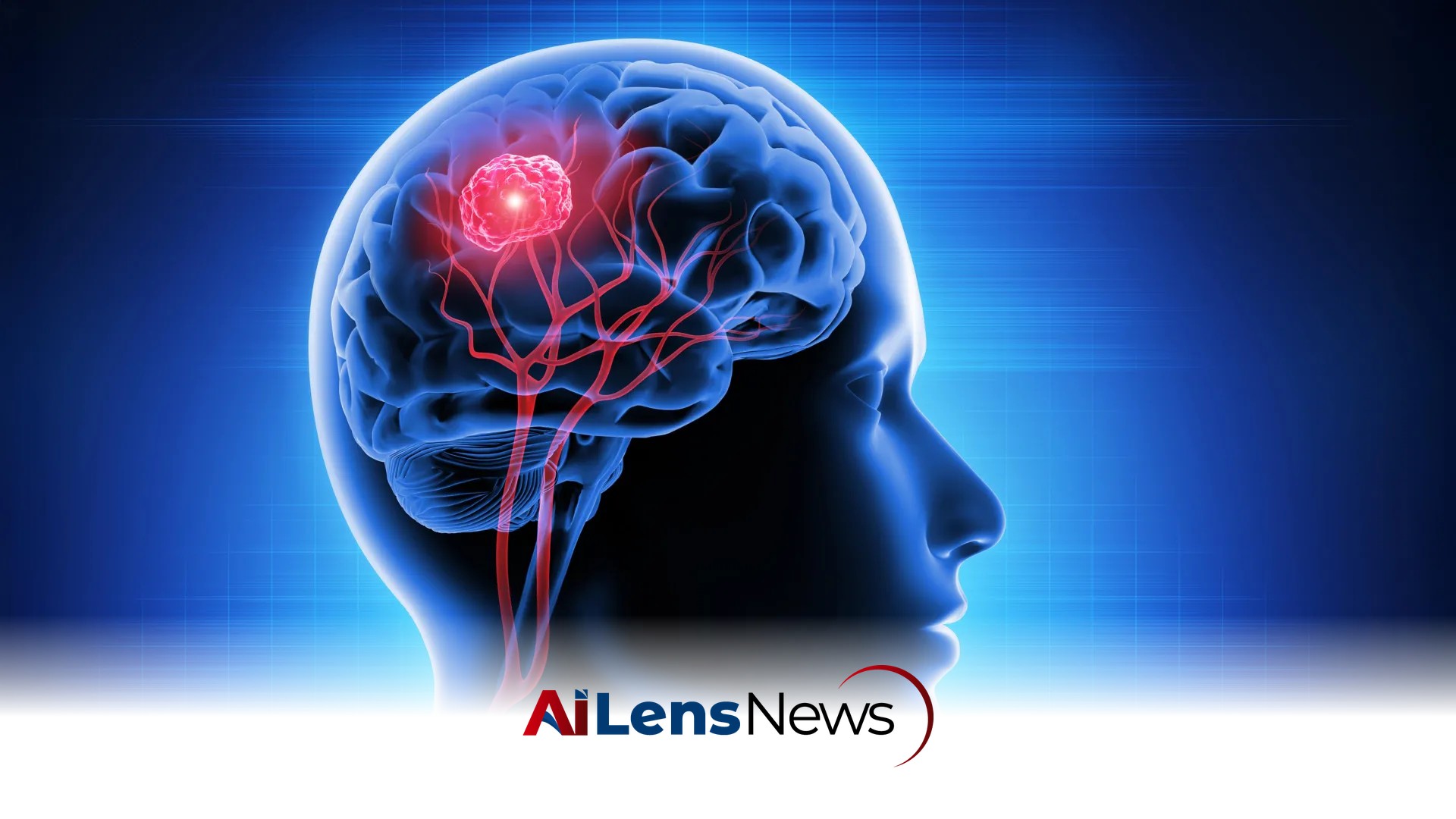


Researchers have identified a vitamin B12–based compound that targets glioblastoma tumors, enhancing existing treatments and showing potential in animal studies.
New Delhi, India Jul 2, 2026 ALN: A newly published study in Oncoscience explores a potential new approach to treating glioblastoma, an aggressive form of brain cancer that remains extremely difficult to treat. The paper is titled "Selective blood-brain barrier penetration and tumor targeting of nitrosylcobalamin in glioblastoma: Pharmacokinetics, tissue distribution, and synergistic activity with TRAIL and temozolomide." This research is particularly significant given the dire prognosis associated with glioblastoma, which is known for its rapid progression and resistance to conventional therapies.
The research was led by first and corresponding author Joseph A. Bauer of Nitric Oxide Services, LLC and the Cleveland Clinic Foundation Taussig Cancer Center. The team investigated nitrosylcobalamin (NO-Cbl), a modified form of vitamin B12 that releases nitric oxide, to determine whether it could cross the blood-brain barrier (BBB) and selectively accumulate in glioblastoma tumors. This is a critical area of study since the BBB serves as a formidable obstacle to effective drug delivery in brain cancer therapies.
Glioblastoma multiforme (GBM) is among the most lethal and treatment-resistant cancers of the brain. Even with surgery, radiation therapy, and chemotherapy, patients typically survive less than 15 months after diagnosis. One major reason for this poor prognosis is the blood-brain barrier, a protective structure that blocks many drugs from reaching tumor tissue in the brain. This barrier not only restricts the entry of therapeutic agents but also complicates the development of effective treatment regimens, making research into alternative delivery methods and compounds crucial.
Testing a Vitamin B12-Based Brain Cancer Therapy
To evaluate NO-Cbl, the researchers employed a variety of experimental methods. These included assessing the compound's efficacy against cancer cells in the NCI-60 human tumor cell line panel, conducting pharmacokinetic studies in rats with glioblastoma tumors, and examining how NO-Cbl performed in combination with other treatments in human glioblastoma cell lines. The findings from these studies are essential as they provide a multi-faceted view of NO-Cbl's potential as a therapeutic agent.
The results indicated that NO-Cbl exhibited antitumor activity across a wide range of cancer types, which is promising for its application beyond just glioblastoma. Notably, tumor cells originating in the central nervous system displayed a moderate level of sensitivity to the treatment, suggesting that NO-Cbl could be effective in various neuro-oncological contexts.
Crossing the Blood-Brain Barrier and Targeting Tumors
One of the study's most significant findings came from animal experiments, where NO-Cbl was administered systemically. The results demonstrated that NO-Cbl successfully crossed the blood-brain barrier and accumulated preferentially within glioblastoma tissue. This characteristic is particularly important because it addresses one of the primary challenges in treating brain tumors—getting drugs to the site of the disease.
The researchers also found evidence that the compound remained active in tumors for an extended period. Nitrate levels in tumor tissue stayed elevated for at least 24 hours after treatment, while nitrate levels in normal tissues dropped more quickly. This pattern suggests that NO-Cbl may be retained within tumors, allowing it to deliver nitric oxide directly to the tumor microenvironment and potentially enhancing its therapeutic effects.
Figures 2 and 3 of the study (pages 3-4) illustrate sustained levels of nitrate and cobalamin-related metabolites in brain tumor tissue compared with other organs, further supporting selective accumulation in glioblastoma. This selective targeting is crucial for minimizing side effects while maximizing therapeutic impact.
Enhanced Effects With Existing Glioblastoma Treatments
The researchers also examined whether NO-Cbl could improve the performance of established glioblastoma therapies. In laboratory studies using U87 and D54 glioblastoma cells, combining NO-Cbl with either TRAIL (a cancer therapy that induces apoptosis in tumor cells) or temozolomide (the standard chemotherapy for glioblastoma) produced significantly stronger suppression of tumor cell growth than any of the treatments achieved on their own. Additional analysis confirmed synergistic interactions across multiple dose ranges, indicating that NO-Cbl could enhance the effectiveness of existing treatments, which is a major breakthrough in the search for more effective glioblastoma therapies.
"This pilot study demonstrates that NO-Cbl crosses the BBB, accumulates selectively in brain tumor tissue, and synergizes with established and experimental glioblastoma therapies," the authors noted, emphasizing the compound's potential as a novel treatment option.
Potential to Overcome Treatment Resistance
According to the authors, NO-Cbl may also help address several biological mechanisms that allow glioblastoma tumors to resist treatment. Previous research referenced in the paper showed that NO-Cbl can promote apoptosis through caspase-8 activation, suppress NF-κB survival signaling, and strengthen TRAIL receptor signaling through S-nitrosylation. Together, these effects could make glioblastoma cells more responsive to therapy, including tumors that have developed resistance to temozolomide, which is a common hurdle in glioblastoma management.
Early Findings With More Research Ahead
The authors stress that these findings come from a pilot translational study and that further research will be required before the approach can be considered for clinical use. The transition from laboratory findings to clinical application is a critical step that involves rigorous testing and validation to ensure safety and efficacy in human patients.
Future studies are expected to focus on orthotopic validation, optimizing dosing strategies, tracking nitric oxide activity over longer periods, and investigating the underlying mechanisms in additional central nervous system tumor models. These steps are essential to confirm the therapeutic potential of NO-Cbl and to refine its application in clinical settings.
Overall, the findings provide early evidence that a cobalamin-based nitric oxide donor could represent a promising new strategy for glioblastoma treatment. By combining blood-brain barrier penetration, selective tumor targeting, and enhanced activity alongside existing therapies, NO-Cbl may offer a new way to improve drug delivery and combat treatment resistance in one of the most challenging cancers in neuro-oncology. The implications of this research are significant, as it opens avenues for further investigation into how vitamin-based therapies can be adapted for more effective cancer treatments, particularly for conditions that have historically been resistant to conventional therapies.
To learn more about the latest developments in Diseases & Conditions, stay updated with our exclusive reports and analyses on AiLensNews.

