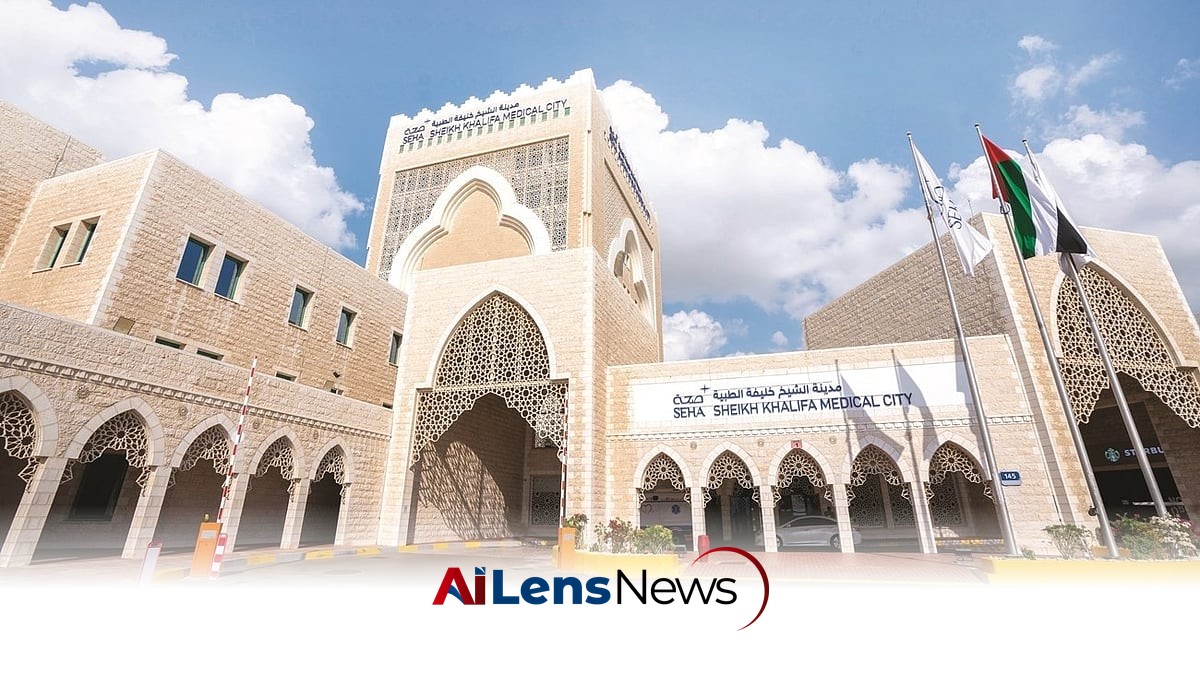


The UAE strengthens organ transplantation with advanced care and the Hayat donation programme, achieving over 845 kidney transplants at Sheikh Khalifa Medical City.
Kuwait City, Kuwait Jul 22, 2026 ALN: The United Arab Emirates (UAE) has made significant strides in the field of organ transplantation, establishing itself as a regional leader in providing advanced medical care for patients suffering from organ failure. This progress is not merely a reflection of technological advancements but is also rooted in a comprehensive national strategy that encompasses healthcare infrastructure, legislative frameworks, and robust organ donation programs. As a result, more patients in the UAE are gaining access to life-saving treatments that were previously unavailable or difficult to obtain.
In recent years, the UAE has expanded its organ transplant services through the establishment of specialized hospitals, the national organ and tissue donation program known as Hayat, and the National Centre for the Regulation of Human Organs and Tissues Transplantation. These initiatives have been pivotal in creating a cohesive system that facilitates organ donation and transplantation across the country. The Hayat program, in particular, is designed to encourage citizens and residents to register as organ donors, thereby increasing the pool of available organs for transplantation.
One of the most notable achievements in this area comes from Sheikh Khalifa Medical City (SKMC), which is part of the Abu Dhabi Health Services Company (SEHA). SKMC recently announced that it has surpassed the milestone of performing over 845 kidney transplants since the inception of its transplant program. This achievement underscores the hospital's commitment to providing high-quality healthcare services and its capacity to handle complex medical cases.
In the year 2025 alone, SKMC performed 134 kidney transplants and 37 liver transplants, showcasing its expanding capabilities in organ transplantation. The hospital is also working on enhancing its liver transplant program, which caters to both adult and pediatric patients. This focus on liver transplants is particularly significant given the rising incidence of liver diseases in the region, which can lead to organ failure and necessitate transplantation.
Badr Al Qubaisi, the Chief Executive Officer of Sheikh Khalifa Medical City – SEHA, emphasized that the hospital has positioned itself as a leading referral center for complex medical cases. He noted that SKMC's unique advantage lies in its integrated multidisciplinary clinical ecosystem, where various medical specialties collaborate under one roof. This model not only streamlines patient care but also enhances the overall treatment experience for individuals facing severe health challenges.
Moreover, SKMC's achievements in 2025 extend beyond organ transplantation. The hospital has also made headlines by utilizing the gene therapy Etvizma, which was approved in the UAE for the treatment of spinal muscular atrophy. This groundbreaking therapy represents a significant advancement in the treatment of genetic disorders, offering new hope to patients and their families. Additionally, SKMC has successfully performed complex fetal surgeries, awake brain surgeries, and corrective procedures for severe spinal deformities, further establishing its reputation as a center of excellence in various medical fields.
The UAE's advancements in organ transplantation are supported by a robust legal framework that governs organ donation and transplantation practices. Since the introduction of federal legislation in 2016, which criminalized organ trafficking and set forth regulations for organ donation, the country has made substantial progress in refining its legal structure. Updated legislation and executive regulations have been implemented to cover essential aspects such as donor registration, licensing procedures, and organ allocation. This legal foundation is crucial for ensuring ethical practices in organ transplantation and fostering public trust in the system.
In addition to legislative support, public awareness campaigns have been instrumental in promoting the Hayat program. This initiative allows citizens and residents aged 21 and above to voluntarily register their wish to donate organs after death, following approved medical and legal procedures. By encouraging individuals to consider organ donation, the UAE aims to increase donation rates, reduce waiting times for patients in need of transplants, and ultimately save more lives.
The implications of these advancements are profound. As the UAE continues to enhance its organ transplantation services, it not only improves patient outcomes but also positions itself as a hub for medical tourism in the region. Patients from neighboring countries may seek treatment in the UAE due to its advanced healthcare facilities and specialized medical expertise. This influx can contribute to the country's economy while also fostering international collaborations in healthcare.
Looking to the future, the UAE is investing in cutting-edge technologies, including artificial intelligence, to support transplant waiting lists and improve donor-recipient matching systems. These technological advancements promise to enhance the efficiency of the transplantation process, ensuring that organs are allocated in a timely manner and that compatibility between donors and recipients is optimized. Such innovations are essential to address the growing demand for organ transplants and to streamline the overall process.
In conclusion, the UAE's achievements in organ transplantation, particularly through Sheikh Khalifa Medical City, reflect a concerted effort to provide high-quality medical care and improve patient outcomes. By integrating advanced healthcare practices with a strong legal framework and public awareness initiatives, the country is not only enhancing its healthcare capabilities but also offering hope and a second chance at life for many patients. As the UAE continues to invest in its healthcare infrastructure and explore new technologies, it is poised to remain at the forefront of organ transplantation in the region and beyond.
To learn more about the latest developments in Health News, stay updated with our exclusive reports and analyses on AiLensNews.

