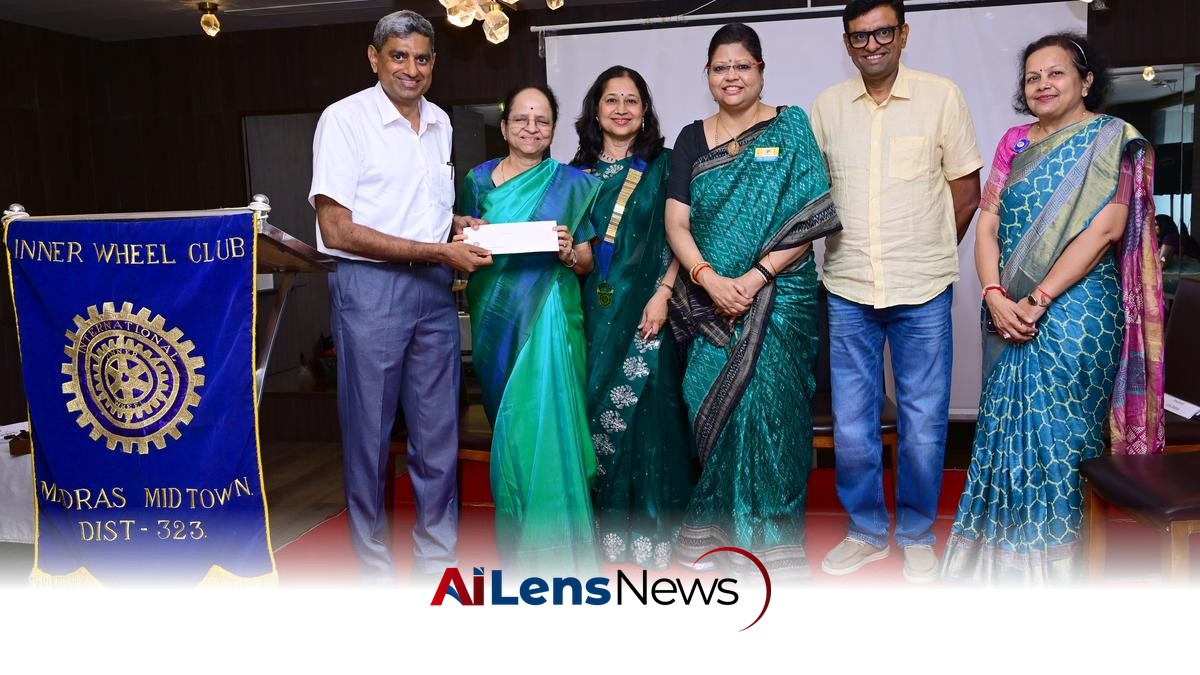


The Inner Wheel Club of Madras Midtown and SNEHA collaborate on a mental health project aimed at training teachers and supporting communities in remote areas.
Chennai, India Jul 14, 2026 ALN: The Inner Wheel Club of Madras Midtown, a women-led organization with a remarkable 50-year legacy, has taken a significant step forward in addressing mental health issues by partnering with SNEHA, an NGO that specializes in suicide prevention. This collaboration has resulted in the launch of a crucial mental health initiative that aims to implement teacher training programs in schools located in remote areas, thereby addressing the pressing need for mental health awareness and support in these communities.
The initiative is designed to not only focus on training educators but also to incorporate community outreach and grief support sessions. These sessions will take place in adopted villages, with the primary goal of raising awareness about mental health issues and fostering healing through Survivors after Suicide (SAS) groups. Such groups provide a platform where individuals affected by suicide can come together to share their experiences, find solace, and support one another in their healing journeys.
Key figures involved in this initiative include Lakshmi Vijayakumar, the founder of SNEHA, who has been a pioneering force in mental health advocacy in India. She has dedicated her career to addressing the stigma surrounding mental health and providing support to those in need. Rama Vaidyanathan, the 51st President of the Inner Wheel Club, and Supriya Sundararaman, the Chairman of Inner Wheel District 323, have also expressed their commitment to enhancing mental health support in underserved communities. Their leadership and dedication are vital in driving this initiative forward.
This collaboration marks a crucial step in addressing mental health challenges, particularly in areas that often lack access to essential resources and support systems. In many remote regions, mental health issues are often overlooked, leading to a lack of understanding and support for those affected. By training teachers, the initiative seeks to equip them with the skills needed to identify and address mental health issues among students. This proactive approach aims to create a more supportive educational environment where students feel safe to express their concerns and seek help.
Furthermore, the community outreach component of the initiative aims to engage local populations in discussions about mental health. By reducing stigma and promoting open dialogues, the initiative encourages individuals to seek help when needed. Mental health issues can often be surrounded by misconceptions and fears, leading to isolation for those who are struggling. By fostering an environment of understanding and support, the Inner Wheel Club and SNEHA hope to make a significant impact on the mental health landscape in these communities.
The SAS groups, in particular, play a vital role in this initiative. These groups provide a safe space for individuals affected by suicide to share their experiences and find comfort in knowing they are not alone. The loss of a loved one to suicide can be a deeply traumatic experience, and having a community of support can be instrumental in the healing process. The SAS groups aim to facilitate discussions, share coping strategies, and provide emotional support, thereby helping individuals navigate their grief in a constructive manner.
As mental health continues to be a critical issue, especially in the wake of the COVID-19 pandemic, initiatives like this are vital in promoting awareness and providing necessary support. The pandemic has had a profound impact on mental health globally, with increased rates of anxiety, depression, and suicidal thoughts reported across various demographics. In India, the mental health crisis has been exacerbated by the challenges brought on by the pandemic, highlighting the urgent need for accessible mental health resources and support systems.
The Inner Wheel Club and SNEHA's efforts exemplify a proactive approach to mental health, focusing on education, community involvement, and healing. By empowering teachers with the knowledge and skills to address mental health issues, the initiative lays the groundwork for a more informed and compassionate society. Educators often serve as the first line of support for students, and equipping them with the right tools can make a significant difference in the lives of young individuals facing mental health challenges.
The implications of this initiative extend beyond immediate support for individuals in remote areas. By fostering a culture of understanding and acceptance around mental health, the initiative has the potential to influence societal attitudes and perceptions. As more individuals engage in conversations about mental health, the stigma surrounding these issues can gradually diminish, encouraging more people to seek help without fear of judgment.
In conclusion, the partnership between the Inner Wheel Club of Madras Midtown and SNEHA represents a significant commitment to improving mental health resources in remote areas. By focusing on education, community outreach, and support for survivors of suicide, this initiative aims to foster a culture of support and understanding. As mental health continues to gain recognition as a critical aspect of overall well-being, initiatives like this play a crucial role in paving the way for a more compassionate and informed society.
Moreover, the importance of mental health education cannot be overstated, especially in the context of the Indian educational framework. Traditionally, mental health has not been a focal point within the curriculum, leading to a significant gap in understanding among both educators and students. The incorporation of mental health training into teacher education programs can serve as a transformative step towards building a more resilient generation. Teachers often spend a considerable amount of time with students and can notice early signs of distress or mental health issues. Training them to recognize these signs and respond appropriately can help in early intervention, which is crucial for effective mental health management.
Additionally, the initiative's focus on community outreach is particularly relevant in the context of rural India, where mental health resources are scarce. Many individuals in these areas may not have access to mental health professionals or facilities, and cultural stigmas can further complicate the issue. By bringing mental health discussions to the forefront within these communities, the initiative aims to empower individuals with knowledge and resources that can lead to better mental health outcomes. Workshops and seminars can be organized to educate community members about mental health, coping mechanisms, and available support systems.
The impact of this initiative may also extend to families of individuals who are struggling with mental health issues. Family members often play a crucial role in the support system of individuals facing mental health challenges. By educating families about mental health, the initiative can help them understand what their loved ones are experiencing, thereby fostering a more supportive home environment. This holistic approach to mental health support, which includes teachers, communities, and families, can create a more robust network of care for individuals in need.
As the initiative unfolds, it will be important to monitor its progress and impact. Evaluating the effectiveness of teacher training programs and community outreach efforts will provide valuable insights into what works and what can be improved. Feedback from participants, including teachers, students, and community members, will be essential in refining the initiative and ensuring it meets the needs of those it aims to serve.
In summary, the collaboration between the Inner Wheel Club of Madras Midtown and SNEHA is a commendable effort to address the critical issue of mental health in remote areas of India. By focusing on education, community engagement, and support for survivors of suicide, this initiative has the potential to create lasting change in the mental health landscape. As mental health continues to gain recognition as a crucial component of well-being, initiatives like this one will be vital in fostering a more compassionate and understanding society, ultimately leading to improved mental health outcomes for individuals and communities alike.
To learn more about the latest developments in Health News, stay updated with our exclusive reports and analyses on AiLensNews.

