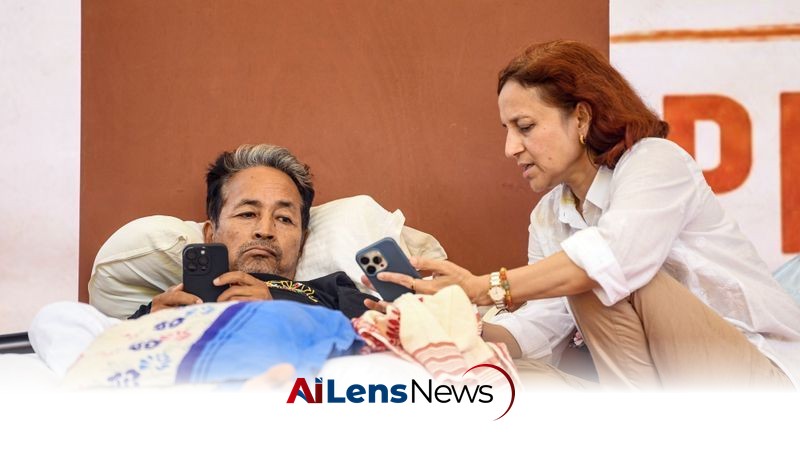


Gitanjali J Angmo questions the Delhi Police's decision to transfer Sonam Wangchuk to Safdarjung Hospital, asserting his well-being prior to the move.
New Delhi, India Jul 18, 2026 ALN: In a recent turn of events, Gitanjali J Angmo, the wife of renowned activist Sonam Wangchuk, has publicly challenged the decision made by the Delhi Police to transfer her husband to Safdarjung Hospital. This decision has raised significant concerns regarding patient consent and medical autonomy, two critical concepts in modern healthcare that ensure patients have a say in their treatment options.
Wangchuk, known for his advocacy on environmental issues and education reforms, was reportedly in stable condition before the transfer. Angmo expressed her discontent, stating, "No treatment should be administered without my husband's consent. He was doing fine on Friday, and this sudden shift raises questions about the necessity and appropriateness of such a move." This statement underscores the growing concern among many regarding the rights of patients to make informed decisions about their own healthcare.
Sonam Wangchuk has been a prominent figure in the fight for sustainable development in Ladakh. His work has garnered attention both nationally and internationally, making him a respected voice in environmental activism. Wangchuk is best known for his innovative approaches to education and sustainable living, particularly in the context of the harsh climatic conditions of the Himalayan region. He has been a strong advocate for using traditional knowledge alongside modern science to address pressing environmental issues, promoting the idea of eco-friendly solutions that respect local cultures and ecosystems.
Wangchuk's contributions extend beyond environmental advocacy; he has also been an influential educator, founding the Students' Educational and Cultural Movement of Ladakh (SECMOL), which focuses on reforming education to better suit the needs of local students. His efforts have not only improved educational standards but have also empowered young people in Ladakh to become active participants in their community's development. His recent health issues have sparked widespread concern among his supporters and the general public. Wangchuk's health has been a topic of discussion, particularly given his active role in advocating for the rights of marginalized communities and raising awareness about climate change impacts in the Himalayas. As a public figure, his well-being is closely monitored, and any changes in his health status tend to evoke strong reactions from his followers.
Angmo's assertion highlights a critical issue in healthcare: the importance of patient consent. In many cases, patients have the right to make informed decisions about their treatment plans. This right to consent is a fundamental principle of medical ethics and law, ensuring that individuals have control over their own bodies and health decisions. Angmo's plea emphasizes that such rights should not be overlooked, especially in situations involving significant medical interventions.
The concept of informed consent is anchored in the belief that individuals should be fully informed about their medical conditions, the proposed treatments, and any potential risks involved. It is crucial that healthcare providers communicate effectively with patients and their families to ensure that they understand their options. This situation raises questions about whether the transfer to Safdarjung Hospital was necessary and if proper protocols were followed regarding Wangchuk's consent.
The public response to this situation has been mixed. Many supporters of Wangchuk have rallied behind Angmo, advocating for her husband's right to choose his treatment. Social media platforms have been flooded with messages of support, urging authorities to respect Wangchuk's autonomy. The discourse around this incident reflects a broader societal concern regarding medical ethics and the rights of patients in India.
Supporters have pointed out that the right to consent is not just a legal obligation but a moral one, emphasizing that patients should feel empowered to make choices about their health. The situation has sparked discussions across various forums, with many expressing solidarity with Angmo and calling for greater accountability from medical institutions and authorities.
As the situation unfolds, it remains to be seen how the authorities will respond to Angmo's concerns. The case has drawn attention to the broader implications of medical decisions made without patient consent, prompting discussions about the rights of individuals in healthcare settings. The incident may lead to increased scrutiny of hospital policies and practices regarding patient transfers and consent procedures.
This case could also serve as a catalyst for reform in healthcare practices, particularly in how patient autonomy is respected within the system. It raises important questions about the balance between medical authority and patient rights, a topic that is increasingly relevant in today's healthcare landscape. The implications of this case could extend beyond Wangchuk, potentially affecting how healthcare is delivered to other patients in similar situations.
In conclusion, the ongoing situation surrounding Sonam Wangchuk's hospitalization raises important questions about patient rights and the role of medical authorities in making decisions on behalf of patients. Angmo's advocacy for her husband's autonomy serves as a reminder of the need for clear communication and respect for individual choices in healthcare. As the discourse continues, it will be essential for both healthcare providers and patients to engage in meaningful dialogue about consent and treatment options, ensuring that the rights of individuals are upheld in all medical settings. This incident may also prompt a reevaluation of existing laws and regulations pertaining to patient consent, ultimately leading to a more patient-centered approach in healthcare delivery.
To learn more about the latest developments in Health News, stay updated with our exclusive reports and analyses on AiLensNews.

