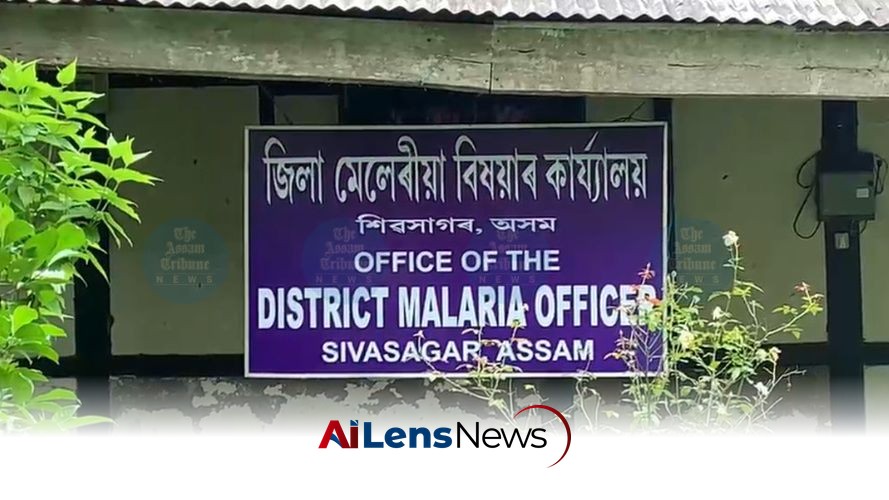


Sivasagar district has successfully reported no deaths from Acute Encephalitis Syndrome or Japanese Encephalitis this year, attributing the success to early interventions and enhanced surveillance.
New Delhi, India Jul 14, 2026 ALN: Even as Assam continues to grapple with a surge in Acute Encephalitis Syndrome (AES) and Japanese Encephalitis (JE) cases, Sivasagar district has reported a marked improvement this year, with health authorities attributing the decline to early preventive measures, strengthened surveillance, and timely intervention.
Notably, the district has recorded no deaths due to either AES or JE so far this year, according to the District Health Department. This is a significant achievement considering the historical context of these diseases in the region, which has often been plagued by outbreaks leading to fatalities. The absence of deaths in Sivasagar stands in stark contrast to other districts in Assam, where the health crisis has escalated.
Addressing a press conference on Tuesday, Joint Director of Health Services, Sivasagar, Dr. Makhan Kalita, stated that preventive measures were launched a month earlier than last year, helping the district contain the spread of the diseases. This proactive approach is crucial in a state like Assam, where the monsoon season typically exacerbates the breeding of mosquitoes, the primary vectors for JE and AES. The monsoon, which usually spans from June to September, creates ideal conditions for mosquito proliferation, making timely interventions all the more critical.
"The reason for the decrease is early detection. Last year, preventive measures began only around March. This year, we started interventions as early as February, which has helped Sivasagar perform better than many other districts in Assam," Kalita said. This emphasis on early intervention underscores the importance of timely public health responses in managing infectious diseases. The proactive measures taken by the health department reflect a growing understanding of the need for preemptive action in public health management.
He mentioned that the district intensified vector surveillance, promoted the use of mosquito nets (athuwa), strengthened waste management, and carried out extensive public awareness campaigns well before the peak transmission season. These strategies are vital, as they not only help in controlling the mosquito population but also educate the community on preventive practices. The community's involvement in these initiatives is essential, as local engagement can significantly enhance the effectiveness of public health campaigns.
"That is why Sivasagar has not had to bear the burden of the disease this year," he added. The district's success can serve as a model for other regions facing similar health challenges. The health department's approach in Sivasagar highlights the importance of tailored strategies that address local conditions and community needs.
According to the health department, 33 people have been affected by AES in the district this year, while six confirmed cases of Japanese Encephalitis have been reported. All JE patients have recovered completely following treatment, which reflects the effectiveness of the healthcare response in managing cases once they arise. The timely identification and treatment of these cases are critical in preventing further transmission and reducing the overall burden of disease.
Kalita noted that the majority of cases were reported from the Kheluwa Development Block, where surveillance and containment measures have been intensified. This targeted approach allows health officials to allocate resources more efficiently and respond swiftly to outbreaks. By concentrating efforts in specific areas with higher incidence rates, health authorities can implement more effective interventions.
Providing a block-wise breakdown of the AES cases, he said Geleki reported five cases, Kheluwa 11, Dimou six, Gaurisagar five, and Moranbazar one. He added that intensive surveillance is launched immediately wherever a case is detected, which is critical in preventing further transmission. This rapid response capability is essential in managing outbreaks and minimizing the impact of these diseases on the community.
"Fogging operations, fever-testing drives, and awareness campaigns on the use of mosquito nets are carried out with the support of ASHA workers, multipurpose health workers, and other frontline healthcare personnel," he said. The involvement of community health workers plays a pivotal role in the success of these initiatives, as they are often the first point of contact for health issues in rural areas. Their local knowledge and trust within the communities they serve are invaluable assets in public health efforts.
The district's performance assumes significance against the backdrop of the rising encephalitis burden across Assam. The state has a history of outbreaks, particularly during the monsoon season when conditions are favorable for mosquito breeding. This year, the situation is particularly concerning as the state has reported a notable increase in cases. The Assam government has been under pressure to address the rising health crisis, prompting calls for stronger public health measures and community engagement.
During the ongoing Budget Session of the Assam Legislative Assembly, the government informed the House that 147 Japanese Encephalitis cases and 10 deaths had been reported across the state so far this year. This statistic highlights the severity of the situation in other districts and the urgent need for continued vigilance and intervention. The disparity in outcomes between Sivasagar and other districts raises important questions about the effectiveness of health strategies and the need for tailored interventions based on local conditions.
According to the government, JE-related deaths have been reported from Baksa, Cachar, Chirang, Kamrup (Metro), Tamulpur, Barpeta, Jorhat, Lakhimpur, and Kamrup districts. These fatalities serve as a grim reminder of the potential consequences of these diseases and the importance of effective public health measures. The loss of life due to preventable diseases emphasizes the need for ongoing commitment to health education and disease prevention strategies.
The contrast between Sivasagar's results and the overall state statistics raises questions about the effectiveness of health strategies in different districts. Factors such as local governance, community engagement, and resource allocation may play significant roles in these outcomes. It is essential for health authorities to analyze these discrepancies to enhance strategies across the board. Understanding what works in Sivasagar can provide valuable insights for improving health responses in other parts of Assam.
Moreover, the success in Sivasagar can be attributed to a combination of factors, including community engagement, timely health interventions, and a robust healthcare infrastructure. The district's health officials have also emphasized the importance of educating the public regarding the symptoms of AES and JE, which can lead to quicker diagnosis and treatment. This educational component is critical, as early recognition of symptoms can drastically improve patient outcomes.
As the monsoon season progresses, health officials in Sivasagar remain vigilant, continuously monitoring for new cases and adjusting their strategies as needed. The district's experience this year may provide valuable insights for other regions in Assam and beyond, particularly in how to effectively manage vector-borne diseases. The lessons learned from Sivasagar's proactive approach could inform future public health policies and interventions, contributing to a more effective response to similar health crises in the future.
In conclusion, while Sivasagar district has reported no deaths from AES or JE this year, the situation in Assam remains critical with rising cases elsewhere. The proactive measures taken by the district's health department illustrate the importance of early intervention, community involvement, and sustained public health efforts in combating infectious diseases. As the state continues to navigate the challenges posed by these diseases, the lessons learned from Sivasagar could prove invaluable in shaping future health policies and responses. The need for ongoing vigilance, community engagement, and adaptive strategies cannot be overstated, as these elements are essential in safeguarding public health in the face of emerging infectious diseases.
To learn more about the latest developments in Health News, stay updated with our exclusive reports and analyses on AiLensNews.

