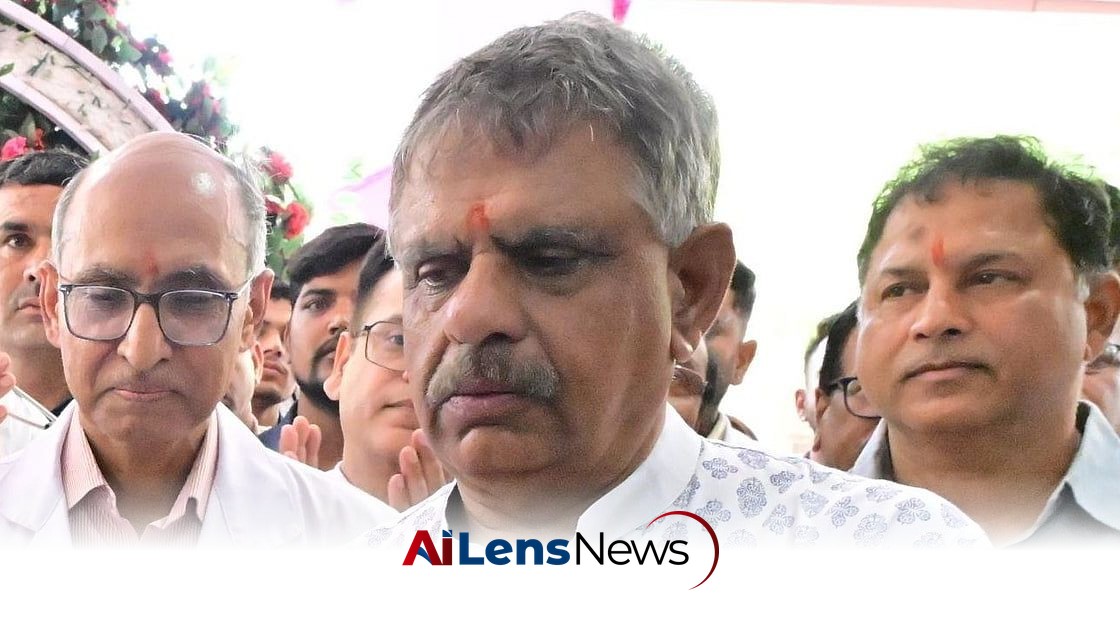


Rajasthan's Health Minister Gajendra Singh Khimsar addresses the alarming maternal death toll in government hospitals, prompting investigations and audits.
New Delhi, India Jul 14, 2026 ALN: In recent months, Rajasthan has been grappling with a troubling public health crisis following the deaths of 18 women shortly after childbirth. The alarming trend has drawn the attention of state officials, particularly Health Minister Gajendra Singh Khimsar, who expressed his astonishment at the simultaneous nature of these fatalities. Since May, the state has witnessed a series of maternal deaths that have raised serious concerns about the quality of maternal healthcare services.
Minister Khimsar noted, "It is surprising to us that the deaths are occurring so simultaneously that we can't understand why. Initially, we thought the deaths were due to the heat, but now the heat has passed." This statement underscores the complexity of the situation, as health officials initially speculated that extreme weather conditions might have contributed to the deaths. However, with the onset of cooler temperatures, this theory has been dismissed, prompting a more in-depth examination of the underlying causes.
In response to the crisis, the Rajasthan government has mobilized senior officials, including hospital principals and superintendents from the districts most affected, such as Kota, Jodhpur, and Bikaner. The state's health department has also sought the expertise of leading gynecologists from across Rajasthan to conduct a thorough investigation into the recent maternal deaths. This initiative echoes a previous review conducted by a team from the All India Institute of Medical Sciences (AIIMS) in Delhi, which had been called in to assess similar issues in the past.
Despite the availability of clear blood reports and seemingly normal medical procedures, Khimsar emphasized the necessity of identifying the root causes of these tragic incidents. He stated, "While the blood reports are clear and everything else seems in order, we need to identify the underlying reason for these occurrences." This statement reflects the urgent need for a comprehensive analysis of maternal health outcomes in the state, especially considering the rising number of complications associated with childbirth.
The situation has been exacerbated by the fact that, alongside the 18 maternal deaths, seven other women are currently undergoing dialysis due to kidney failure, further complicating the healthcare landscape in Rajasthan. The state government has thus ordered a comprehensive investigation into maternal deaths occurring in government hospitals, signaling a recognition of the severity of the crisis.
The spike in maternal deaths has caused considerable panic among patients and their families, raising significant questions about the adequacy and safety of maternal healthcare services in Rajasthan. Concerns have intensified particularly following a series of deaths reported in Bhilwara and Banswara between July 5 and July 10, where nine women lost their lives under similar circumstances. This has led to widespread fear and anxiety among expectant mothers and their families, who are now questioning the safety of seeking medical care in these facilities.
Among the most distressing cases were five women who died within a span of just six days at the maternity hospital affiliated with Mahatma Gandhi Hospital in Bhilwara. Each of these women had undergone caesarean deliveries and subsequently developed complications that necessitated their transfer to the intensive care unit, where they ultimately succumbed to their conditions. Similarly, four women in Banswara faced comparable fates, and earlier in May, five maternal deaths were reported in a government hospital in Kota. In June, six women in Bikaner developed kidney failure following caesarean sections, with two of them later dying from their complications. Additionally, two women died in Jodhpur's Bhopalgarh Government Sub-District Hospital due to childbirth-related complications.
The families of the deceased have voiced their outrage and frustration, accusing hospital administrations and medical staff of negligence. This has led to protests within the hospitals as relatives demand answers and accountability for the tragic outcomes. The health department's decision to audit treatment protocols, emergency response systems, and medication usage in the affected hospitals is a crucial step toward addressing the concerns raised by the victims' families.
The political ramifications of this crisis are significant, with the opposition Congress party targeting the ruling government led by Bhajan Lal Sharma. They have described the maternal deaths as "frightening and shocking," indicative of a broader "deepening crisis" in Rajasthan's public healthcare system. Former Chief Minister Ashok Gehlot has been particularly vocal, stating, "The increasing number of maternal deaths in the state is extremely frightening and reflects a deepening crisis in public healthcare." He has called for accountability from the government, emphasizing that the lack of action only exacerbates the situation.
Gehlot has also alleged that there has been a failure in administrative management, asserting that the current government has not effectively addressed the crisis. He emphasized the urgency of implementing immediate measures to prevent further maternal deaths and improve healthcare outcomes for women in the state. This call for action highlights the critical need for systemic reforms in Rajasthan's healthcare infrastructure, particularly concerning maternal health services.
The implications of these maternal deaths extend beyond immediate healthcare concerns; they also raise significant questions about the broader healthcare system in Rajasthan. Maternal mortality is a key indicator of health system effectiveness, and the recent surge in deaths suggests that there may be systemic issues that need to be addressed. Factors such as access to quality prenatal care, the availability of skilled healthcare professionals, and the adequacy of emergency response protocols are all essential components that contribute to maternal health outcomes.
Moreover, the crisis underscores the importance of public health education and awareness initiatives aimed at expectant mothers and families. Ensuring that women have access to information about the risks associated with childbirth and the importance of seeking timely medical care can play a vital role in improving maternal health outcomes. As the investigation unfolds and the state government seeks to address the root causes of these tragic events, it is imperative that all stakeholders, including healthcare providers, policymakers, and community organizations, work collaboratively to enhance the safety and quality of maternal healthcare in Rajasthan.
In conclusion, the deaths of 18 women in Rajasthan following childbirth represent a significant public health crisis that demands immediate attention and action. The state's health officials are now faced with the daunting task of investigating the causes of these tragic events while also addressing the broader implications for maternal healthcare services. As the situation develops, it is crucial that the government prioritizes the safety and well-being of mothers and infants, ensuring that no further lives are lost to preventable causes in the future.
To learn more about the latest developments in Health News, stay updated with our exclusive reports and analyses on AiLensNews.

