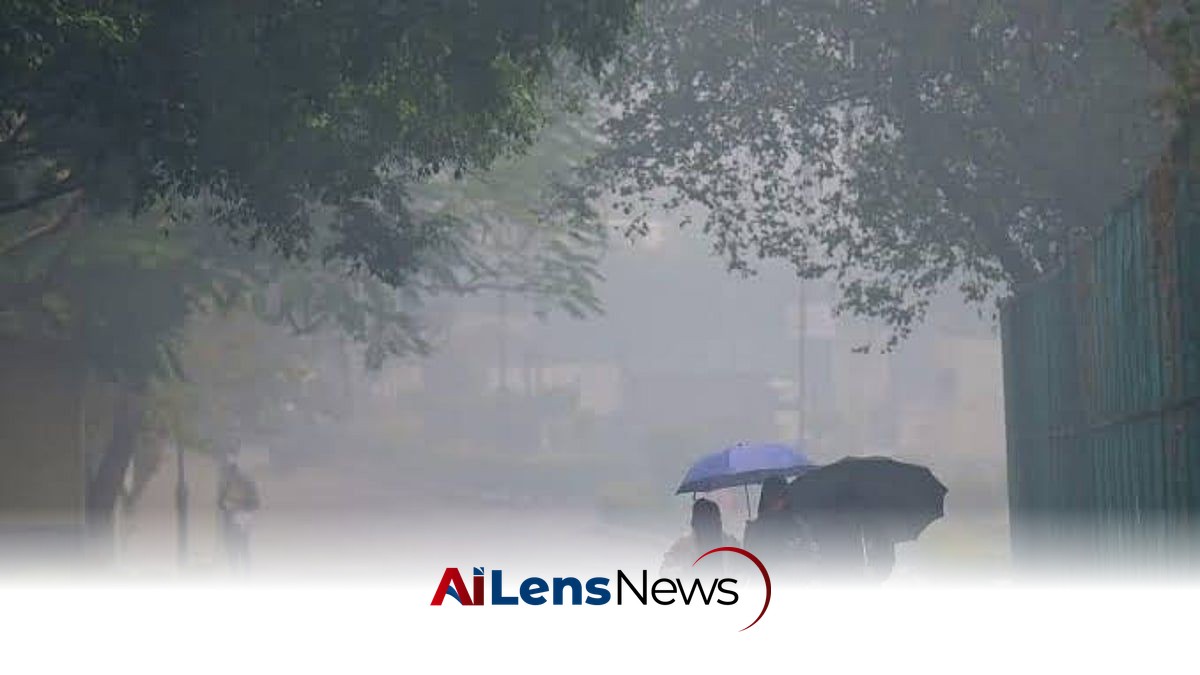


The East Khasi Hills Health Department has issued an advisory urging residents to take preventive measures against monsoon-related diseases.
Shillong, India Jul 17, 2026 ALN: Guwahati: The District Medical and Health Officer (DMHO) of East Khasi Hills, Meghalaya has issued a public health advisory urging residents to take preventive measures against common diseases associated with the monsoon season.
The monsoon season, which typically lasts from June to September in India, brings with it a host of health challenges. This period is characterized by heavy rainfall, increased humidity, and the proliferation of stagnant water, all of which create an ideal environment for various pathogens and vectors. The advisory from the DMHO highlights the increased risk of mosquito-borne diseases, scrub typhus, water- and food-borne infections, as well as mushroom poisoning during these rainy months.
Among the diseases that pose a significant threat during the monsoon are dengue fever, malaria, and chikungunya, all of which are transmitted by mosquitoes. The health department has advised residents to take proactive steps to mitigate these risks. One of the key recommendations is to prevent water from accumulating in and around their homes. This includes discarding or properly storing items such as tyres, containers, and any other objects that can collect rainwater and serve as breeding grounds for mosquitoes.
In addition to eliminating standing water, the health department has also recommended the use of mosquito nets or repellents, particularly for vulnerable groups such as children and the elderly. Wearing full-sleeved clothing is advised, especially during the early morning and evening hours when mosquitoes are most active. Residents are further cautioned to avoid contact with floodwater or any potentially contaminated water sources. In the event of exposure, individuals are advised to wash thoroughly with soap and clean water to minimize the risk of infection.
To combat food- and water-borne illnesses, the advisory includes several practical guidelines. It recommends refrigerating cooked food within two hours of preparation to prevent bacterial growth, as well as reheating it to at least 75°C before consumption. Additionally, residents are urged to avoid consuming stale or uncovered food, which can be easily contaminated by insects or other environmental factors during the monsoon.
Hand hygiene is emphasized as a critical preventive measure. The health department has urged people to wash their hands frequently with soap, particularly before meals, while preparing food, after using the toilet, and after handling animals. This simple yet effective practice can significantly reduce the likelihood of gastrointestinal infections, which tend to spike during the monsoon due to increased exposure to pathogens.
Furthermore, the health department has highlighted the importance of maintaining household cleanliness and proper waste disposal to prevent rodent infestation, which can also be a vector for diseases. Residents are advised against washing the soiled clothes or linen of diarrhoea patients in or near streams, springs, or other drinking water sources. This precaution is crucial, as rainwater can easily contaminate these sources, leading to outbreaks of waterborne diseases.
Another important point raised in the advisory is the need to avoid defecating uphill or close to water sources. Such practices can lead to contamination of drinking water supplies, particularly during heavy rains when runoff can carry pathogens into water sources. Additionally, the department has recommended that residents avoid rearing pigs near residential areas wherever feasible, as this can also pose health risks.
The advisory also contains a warning against consuming wild or unidentified mushrooms due to the risk of poisoning. The consumption of wild mushrooms has been a cause for concern in many regions, as certain varieties are toxic and can lead to severe health complications or even death. This warning is particularly pertinent as the monsoon season often sees an increase in the availability of wild mushrooms, which may tempt individuals to forage without adequate knowledge of their safety.
In light of these health risks, schools, offices, and other institutions have been directed to conduct regular inspections to eliminate stagnant water, maintain clean surroundings, ensure access to safe drinking water, and provide adequate sanitation facilities. Prompt reporting of any unusual clusters of fever or diarrhoea cases to the nearest health facility has also been emphasized as a critical step in controlling potential outbreaks.
The implications of this advisory are significant, particularly in a region like East Khasi Hills, where the monsoon season can lead to widespread health challenges. Public health officials are keenly aware that the rainy season can exacerbate existing health disparities, particularly among marginalized communities who may lack access to clean water and adequate sanitation facilities. Therefore, the proactive measures outlined in the advisory aim to empower residents with the knowledge and tools necessary to protect themselves and their families.
Furthermore, the advisory serves as a reminder of the ongoing need for public health education and community engagement. By fostering a culture of hygiene and preventive health practices, the East Khasi Hills Health Department hopes to mitigate the impact of seasonal diseases and improve overall community health outcomes.
It is important to note that the monsoon season not only impacts health but also affects the socio-economic conditions of the region. The heavy rainfall can lead to landslides, flooding, and other natural disasters that can disrupt daily life and exacerbate health risks. Therefore, a comprehensive approach that includes both health advisories and disaster preparedness is essential for the well-being of the community.
In addition to the immediate health risks associated with the monsoon, there are also long-term implications for public health infrastructure. The advisory highlights the need for ongoing investment in healthcare facilities, disease surveillance, and community health education programs. Strengthening these systems can help build resilience against seasonal health threats and improve overall health outcomes in the region.
Moreover, the advisory underscores the importance of collaboration between government agencies, non-governmental organizations, and local communities. Effective communication and coordination are vital in ensuring that health messages reach all segments of the population, particularly those who may be most vulnerable during the monsoon season.
As the monsoon progresses, it will be crucial for the East Khasi Hills Health Department to monitor the situation closely and adapt their strategies as needed. This may involve increasing public awareness campaigns, providing resources for sanitation and hygiene, and ensuring that healthcare facilities are prepared to handle any potential outbreaks of disease.
In conclusion, the monsoon advisory issued by the East Khasi Hills Health Department serves as a critical reminder of the health challenges posed by the rainy season. By following the recommended preventive measures and fostering a community-wide approach to health and hygiene, residents can significantly reduce their risk of seasonal diseases and contribute to a healthier environment for all.
- Meghalaya Health Minister Urges Formal Complaints Over Byrnihat Pollution Concerns
To learn more about the latest developments in Health News, stay updated with our exclusive reports and analyses on AiLensNews.

