

Sivasagar district has reported 33 cases of Japanese Encephalitis and Acute Encephalitis Syndrome, prompting health officials to enhance preventive measures.
Imphal, India Jul 15, 2026 ALN: A total of 33 individuals have been infected with Japanese Encephalitis (JE) and Acute Encephalitis Syndrome (AES)-like illnesses in Sivasagar district, according to official sources from the district Health Department.
As per available data, 11 cases have been reported from Khelua Health Block, 5 from Geleki, 6 from Demow, 5 each from Gaurisagar and Kalugaon, and 1 case from Morabazar Health Block. However, officials confirmed that no fatalities have been reported so far.
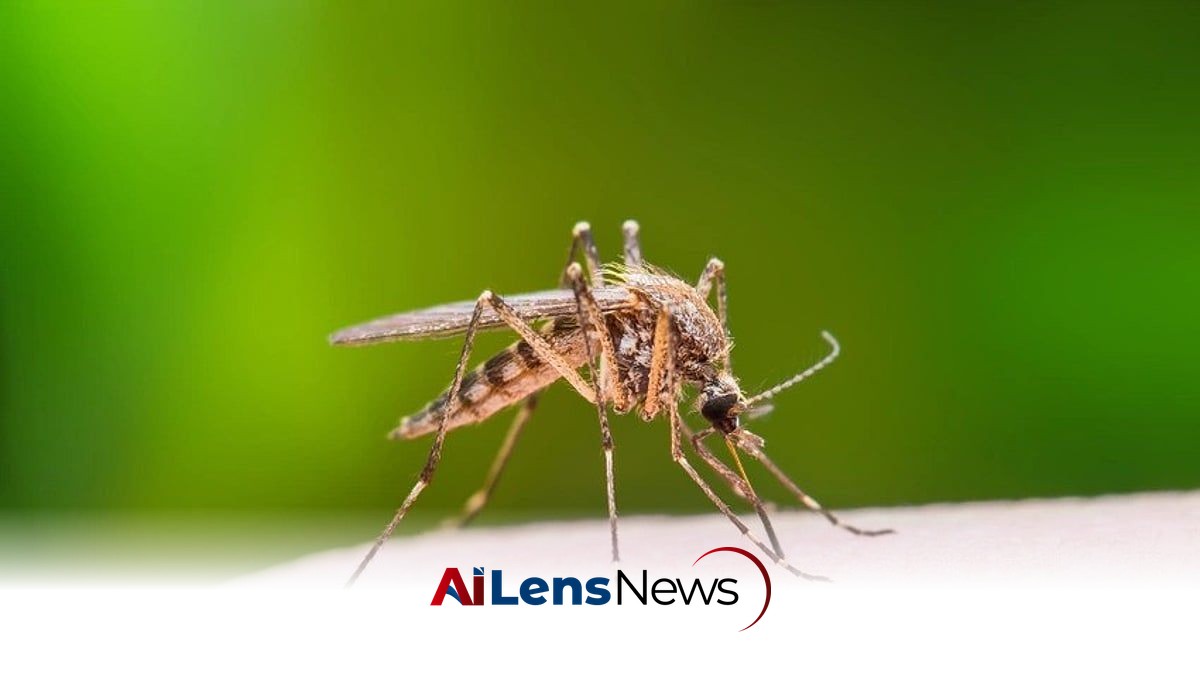
Japanese Encephalitis is a viral infection that primarily affects the brain and is transmitted through the bite of infected mosquitoes, particularly the Culex species. The disease is endemic in many parts of Asia, including India, where outbreaks often occur during the monsoon season when mosquito populations surge. Symptoms of JE can range from mild flu-like signs to severe neurological complications, including seizures, paralysis, and even death in severe cases. The incidence of AES, which can be caused by various viral infections, including JE, further complicates the public health response.
The recent spike in cases in Sivasagar is particularly concerning given the historical context of the region, which has faced outbreaks of vector-borne diseases in the past. The Sivasagar district, located in Assam, has a tropical climate that is conducive to mosquito breeding. The monsoon season, which typically spans from June to September, creates ideal conditions for mosquito proliferation, thereby increasing the risk of JE and AES outbreaks. The geographical features of Sivasagar, including its lush greenery and water bodies, further contribute to the breeding grounds for mosquitoes.
In response to the situation, the Sivasagar District Health Department has intensified preventive and control measures to curb the spread of the disease. These include fogging drives, larvicidal spraying, mosquito control initiatives, and widespread awareness campaigns across affected areas. Fogging is a common method used to kill adult mosquitoes, while larvicidal spraying targets mosquito larvae in stagnant water, which is often a breeding ground for these insects. The health department is also working on improving drainage systems and removing stagnant water sources to minimize mosquito breeding opportunities.
Awareness campaigns are crucial in educating the community about the risks associated with mosquito-borne diseases and the importance of preventive measures. The community is urged to remain vigilant and take necessary precautions to protect against mosquito bites, which are the primary vector for the transmission of these diseases. Residents are advised to use mosquito nets, wear long-sleeved clothing, and apply insect repellent, especially during peak mosquito activity hours, which are typically dawn and dusk. Schools and local organizations are being engaged to disseminate information and encourage practices that reduce mosquito exposure.
The health department's proactive approach includes collaboration with local organizations and community leaders to disseminate information and encourage participation in control measures. Community engagement is vital in ensuring that residents understand the importance of reporting any suspected cases of JE or AES to health authorities promptly. Early detection and treatment can significantly improve outcomes for affected individuals. This collaborative effort also aims to build trust between health officials and the community, which is essential for effective public health interventions.
The implications of this outbreak extend beyond immediate health concerns. The economic impact of an outbreak can be significant, particularly in agricultural regions like Sivasagar, where farming activities may be disrupted due to health issues among workers. Additionally, public health responses can strain local healthcare resources, which may already be limited in rural areas. The burden on healthcare facilities can lead to challenges in managing not only JE and AES cases but also other health issues that require attention. As healthcare workers focus on the outbreak, routine medical services may be compromised, affecting overall community health.
Furthermore, the outbreak highlights the need for ongoing surveillance and research into mosquito-borne diseases. Understanding the ecological and environmental factors that contribute to the spread of JE and AES is essential for developing effective long-term strategies to mitigate future outbreaks. Public health officials are also emphasizing the importance of vaccination, particularly for high-risk groups, as a preventive measure against Japanese Encephalitis. Vaccination campaigns are being planned to target children and individuals living in endemic areas, as they are the most vulnerable to severe outcomes from the disease.
In conclusion, the reported cases of Japanese Encephalitis and Acute Encephalitis Syndrome in Sivasagar serve as a reminder of the persistent threat posed by mosquito-borne diseases in the region. The response from health authorities, coupled with community engagement and awareness efforts, will be crucial in controlling the current outbreak and preventing future occurrences. It is imperative for residents to remain informed and proactive in protecting themselves and their families from these potentially life-threatening diseases. The collaboration between health authorities, community members, and local organizations will be key to fostering a resilient public health infrastructure capable of responding to such outbreaks effectively. Continued education on preventive measures, timely reporting of cases, and adherence to public health advisories will play a significant role in safeguarding the health of the population against Japanese Encephalitis and Acute Encephalitis Syndrome.
To learn more about the latest developments in Health News, stay updated with our exclusive reports and analyses on AiLensNews.

