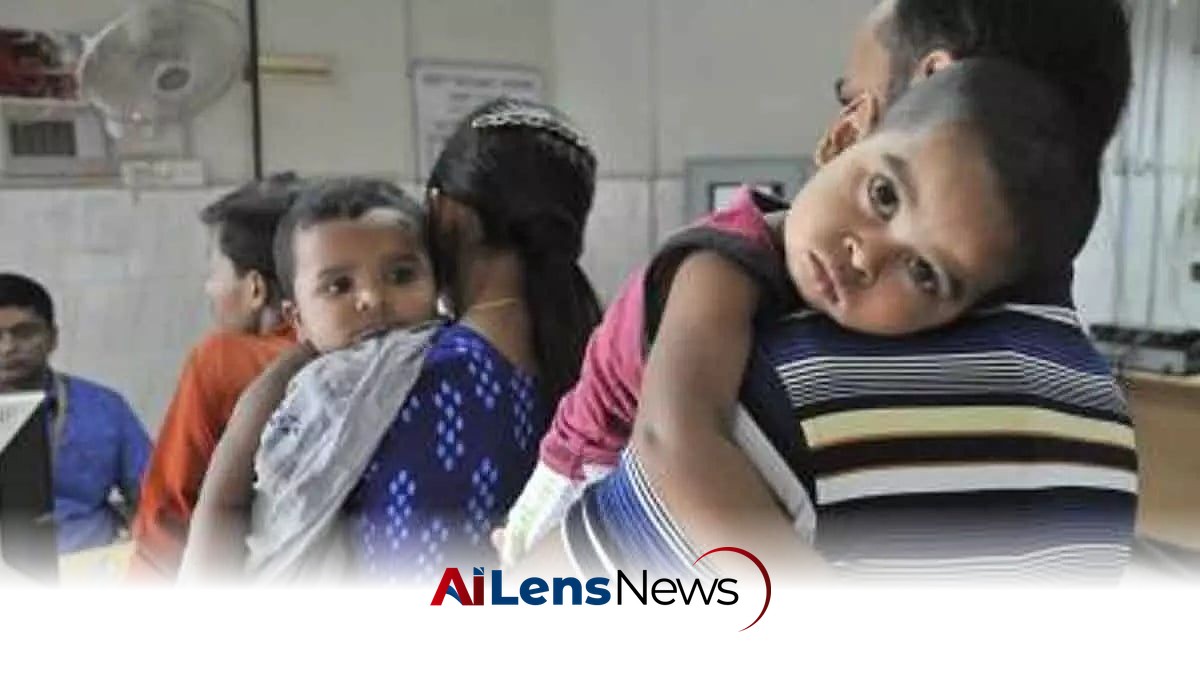


The measles outbreak in Bangladesh continues to escalate, with four additional child fatalities reported, raising the total death toll to 788.
Imphal, India Jul 20, 2026 ALN: Dhaka: As many as four children died due to measles-like symptoms in Bangladesh in the 24 hours till 8 am (local time) on Sunday, raising the total number of confirmed and suspected measles-linked deaths to 788 in the country, local media reported.
All the latest deaths were suspected measles fatalities. With the latest update, the number of suspected measles fatalities has increased to 693, while the number of laboratory-confirmed fatalities stood at 95, United News of Bangladesh reported.
During the 24-hour period, 938 new suspected measles cases were reported in Bangladesh, taking the total number of suspected cases in the country to 117,648. As many as 113 new confirmed measles cases were reported in Bangladesh, taking the total number of laboratory-confirmed infections to 14,431.
The ongoing outbreak has raised significant concerns among health officials, prompting calls for increased vaccination efforts and public awareness campaigns to combat the spread of the disease.
Measles is a highly contagious viral infection that can lead to severe complications, particularly in young children and those with weakened immune systems. The disease spreads through respiratory droplets when an infected person coughs or sneezes, and it can remain in the air for up to two hours after the infected person has left the area. This makes measles one of the most contagious diseases known, with a high potential for rapid outbreaks in populations with low vaccination rates.
The World Health Organization (WHO) has classified measles as a vaccine-preventable disease, and the MMR (measles, mumps, and rubella) vaccine is the standard preventive measure. The vaccination not only protects the individual but also helps to achieve herd immunity, which is crucial for protecting those who cannot be vaccinated due to medical reasons. However, vaccination coverage has seen fluctuations over the years, particularly in low-income countries like Bangladesh, where healthcare access can be inconsistent.
In Bangladesh, the vaccination program has faced challenges due to various factors, including political instability, natural disasters, and the COVID-19 pandemic, which disrupted routine immunization services. As a result, many children missed their vaccinations, leading to increased susceptibility to diseases like measles. Health officials have noted that the recent outbreak is a direct consequence of these gaps in immunization.
The implications of the outbreak extend beyond immediate health concerns. High mortality rates associated with measles can strain the healthcare system, diverting resources away from other critical health services. Additionally, the outbreak can have long-term effects on public health, as it may lead to increased fear and hesitancy towards vaccinations, further complicating efforts to control preventable diseases.
International organizations, including UNICEF and the WHO, are closely monitoring the situation and providing support to the Bangladeshi government. This support includes supplying vaccines, training healthcare workers, and assisting in public health messaging. The global health community recognizes that outbreaks in one country can have ripple effects, particularly in regions with high population mobility.
As the situation evolves, health officials are urging the public to remain vigilant, report suspected cases, and ensure that children receive their vaccinations on schedule. The importance of community engagement cannot be overstated, as local leaders and influencers play a crucial role in encouraging vaccination and dispelling myths about vaccine safety.
Looking ahead, the outbreak serves as a stark reminder of the importance of maintaining high vaccination coverage and the need for robust health systems capable of responding to infectious disease threats. The lessons learned from this outbreak will be vital in shaping future public health policies and strategies, not only in Bangladesh but globally, as the world continues to grapple with the challenges posed by vaccine-preventable diseases.
In conclusion, the ongoing measles outbreak in Bangladesh, which has resulted in the tragic loss of 788 lives, underscores the critical importance of vaccination and public health preparedness. As health officials work to contain the outbreak and prevent further fatalities, the situation highlights the need for sustained efforts to ensure that all children are vaccinated and protected against preventable diseases.
Further complicating the situation is the fact that measles can lead to severe complications, including pneumonia, encephalitis, and even death. The risk of these complications is particularly pronounced in malnourished children or those with pre-existing health conditions. Therefore, the urgency of the current outbreak cannot be overstated, as the health of countless children hangs in the balance.
In the context of global health, the measles outbreak in Bangladesh is a stark reminder of the interconnectedness of health systems worldwide. The decline in vaccination rates in one country can have repercussions that extend far beyond its borders, especially in regions where travel and migration are common. This underscores the importance of global cooperation in vaccination efforts and the need for international support in times of health crises.
The outbreak also raises questions about the sustainability of health initiatives in low-income countries. While international organizations provide crucial support, the long-term success of vaccination programs depends on the ability of local health systems to maintain and expand these efforts independently. This includes training healthcare workers, ensuring the availability of vaccines, and developing strategies to reach marginalized populations.
As the Bangladeshi government and health officials work tirelessly to address the outbreak, it is essential to recognize the broader implications of this situation. The experience gained from managing this crisis can inform future strategies for dealing with infectious diseases, particularly in regions where healthcare infrastructure is challenged by various factors.
In addition to immediate health responses, the outbreak calls for comprehensive strategies that address the underlying social determinants of health. Improving access to healthcare, enhancing nutrition, and addressing poverty are all critical components of a holistic approach to preventing outbreaks of vaccine-preventable diseases. Only by tackling these root causes can countries hope to build resilient health systems capable of withstanding future challenges.
The ongoing situation in Bangladesh also serves as a call to action for the global health community. It highlights the need for continuous investment in vaccination programs, public health education, and community engagement to ensure that the lessons learned from this outbreak are not forgotten. The urgency of the current crisis should galvanize efforts to strengthen health systems, improve vaccination coverage, and ultimately protect the health of children and communities worldwide.
In summary, the measles outbreak in Bangladesh, which has claimed 788 lives, represents a critical public health challenge that requires immediate and sustained action. The importance of vaccination, community engagement, and robust health systems cannot be overstated as the country grapples with the ongoing crisis. The lessons learned from this outbreak will not only shape the future of public health in Bangladesh but will also resonate globally as the world continues to face the threat of vaccine-preventable diseases.
To learn more about the latest developments in Health News, stay updated with our exclusive reports and analyses on AiLensNews.

