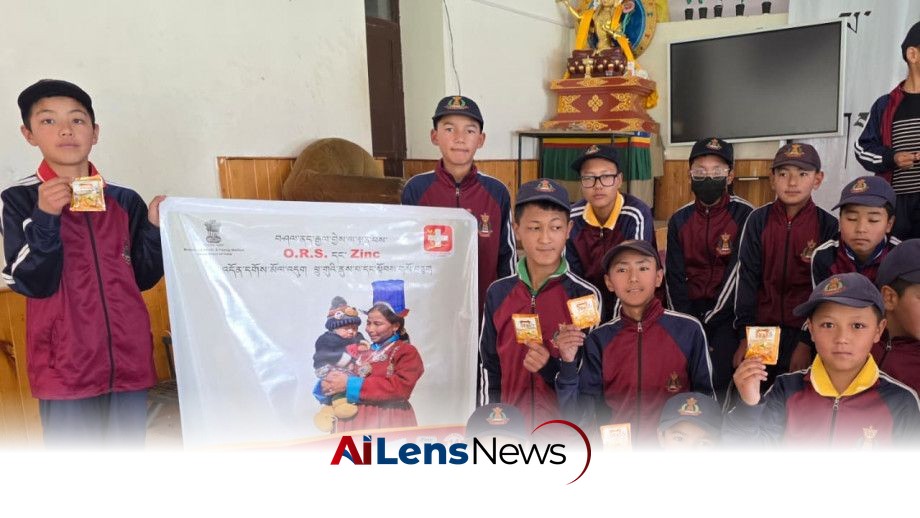


Students in Sakti participated in a program aimed at raising awareness about diarrhoea prevention and promoting hygiene practices.
Leh, India Jul 13, 2026 ALN: In a significant initiative to enhance public health awareness, students in Sakti recently participated in a program focused on the prevention of diarrhoea and the importance of hygiene practices. The event was organized to educate young minds about the critical role of sanitation and hygiene in preventing waterborne diseases. Diarrhoea, particularly among children, remains a pressing global health issue, and such educational programs are vital in addressing this challenge. The initiative underscores the necessity of proactive health education, especially in regions where access to clean water and proper sanitation facilities is limited.
The program featured interactive sessions where students learned about the causes of diarrhoea, its symptoms, and effective prevention strategies. Emphasis was placed on the importance of handwashing with soap, safe drinking water, and proper sanitation facilities. The interactive nature of the program aimed to engage students actively, ensuring that the lessons learned would resonate beyond the classroom. By fostering an environment of learning through participation, the program aimed to make the information more relatable and memorable for the students.
The initiative aims not only to reduce the incidence of diarrhoea among children but also to instill lifelong habits of cleanliness and health awareness. By targeting young audiences, the program seeks to create a ripple effect, encouraging families and communities to adopt better hygiene practices. This approach aligns with global health strategies that emphasize the importance of community engagement in health education. The involvement of families is crucial, as it ensures that the knowledge gained by the students is reinforced at home.
Hygiene education is crucial in combating diarrhoea, which remains a leading cause of morbidity and mortality among children worldwide. According to the World Health Organization, diarrhoea is responsible for the deaths of approximately 525,000 children under five each year. This statistic underscores the urgency of implementing effective hygiene education programs. By equipping students with knowledge and practical skills, the program aspires to empower them to take charge of their health and influence their families positively. The education provided also aims to dispel myths and misinformation related to hygiene practices, which can often hinder effective health interventions.
The implications of such educational initiatives extend beyond immediate health benefits. Improved hygiene practices can lead to enhanced overall health, better school attendance, and increased productivity in the long term. When children are educated about hygiene and sanitation, they are more likely to carry these lessons into adulthood, thereby fostering a healthier generation. Furthermore, the economic impact of reducing diarrhoea-related illnesses can be significant, as healthier children are more likely to thrive academically and eventually contribute positively to the economy.
As the program concluded, students expressed their enthusiasm and commitment to practicing what they learned. Many shared their newfound knowledge with peers and family members, demonstrating the program's immediate impact. This peer-to-peer sharing is a critical component of effective health education, as children often serve as catalysts for change within their households. The excitement generated by the students can lead to broader community discussions on hygiene and health, further amplifying the program's reach.
This initiative in Sakti is a commendable step towards fostering a healthier future for the community, highlighting the importance of education in public health. The collaboration between schools, health officials, and the community is essential in creating sustainable health improvements. Such programs can serve as a model for other regions facing similar public health challenges. By showcasing successful strategies and outcomes, other communities may be inspired to implement similar initiatives tailored to their specific needs.
Moreover, the focus on hygiene education is particularly relevant in the context of the ongoing global health challenges posed by infectious diseases. The COVID-19 pandemic has underscored the significance of hygiene practices, such as handwashing and sanitization, in preventing the spread of diseases. This program not only addresses diarrhoea but also reinforces the broader public health messages that have gained prominence in recent years. The lessons learned during the pandemic can be integrated into future health education programs, ensuring that communities remain vigilant against various health threats.
In conclusion, the Sakti program represents a proactive approach to public health education. By investing in the health literacy of young people, communities can build a foundation for healthier future generations. Programs like this are essential in the fight against preventable diseases and contribute significantly to the overarching goal of improving public health outcomes. The sustainability of such initiatives relies on continuous community engagement, education, and the support of local health systems. As the world continues to face health challenges, the importance of hygiene education and community involvement cannot be overstated, making programs like the one in Sakti vital for public health advancement.
To learn more about the latest developments in Health News, stay updated with our exclusive reports and analyses on AiLensNews.

