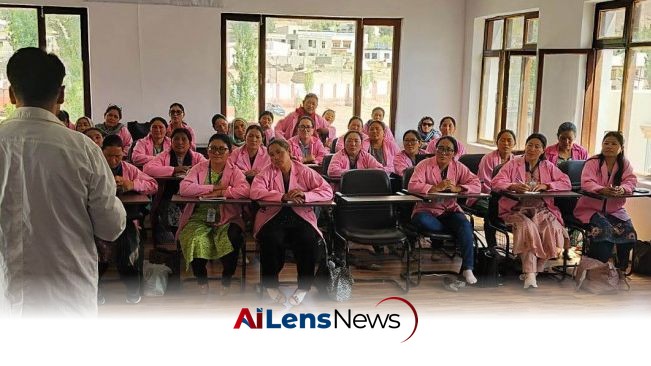


CHC Khaltse has organized an orientation training session aimed at enhancing awareness and strategies for the STOP Diarrhoea campaign, targeting health workers and community members.
Leh, India Jul 13, 2026 ALN: In a significant move to combat diarrhoea, the Community Health Centre (CHC) Khaltse has organized an orientation training session focused on the STOP Diarrhoea campaign. This initiative aims to equip health workers and community members with the necessary knowledge and skills to effectively address and prevent diarrhoea outbreaks. Diarrhoea is a major public health issue, particularly in developing regions, where it remains a leading cause of morbidity and mortality, especially among children under five years of age. The World Health Organization (WHO) estimates that diarrhoeal diseases are responsible for approximately 525,000 deaths annually in this vulnerable age group, highlighting the urgent need for effective interventions.
Diarrhoea can be caused by a variety of factors, including infectious agents such as viruses, bacteria, and parasites, as well as non-infectious causes like food intolerances and certain medications. The WHO emphasizes that diarrhoeal diseases can be prevented through improved water quality, sanitation, and hygiene (WASH) practices. This training session at CHC Khaltse is designed to address these critical areas and educate participants on how to implement effective strategies in their communities.
The primary objective of the training is to raise awareness about the causes and prevention of diarrhoea. Participants are being educated on various aspects, including hygiene practices, the importance of clean drinking water, and the need for timely medical intervention. The training covers the biological and environmental factors contributing to diarrhoea, such as pathogens, inadequate sanitation, and poor hygiene. By understanding these factors, health workers can better inform the community about preventive measures that can drastically reduce the incidence of diarrhoea.
Moreover, the training emphasizes the significance of early recognition of symptoms and the importance of seeking medical help promptly. This is particularly crucial in rural areas where access to healthcare may be limited. Participants learn about the signs of dehydration, which can be life-threatening if not addressed quickly. They are also trained on the use of Oral Rehydration Solutions (ORS) and the importance of continued feeding during diarrhoeal episodes, which is vital for recovery.
Health workers play a crucial role in disseminating information and implementing preventive measures within their communities. The training session includes interactive discussions, practical demonstrations, and distribution of educational materials to ensure that health workers can effectively communicate the key messages of the campaign. This hands-on approach not only increases the retention of information but also empowers health workers to become advocates for diarrhoea prevention in their communities.
In addition to traditional training methods, the orientation incorporates modern tools such as visual aids and digital resources, which can enhance understanding and engagement. The use of case studies and role-playing scenarios allows health workers to practice their communication skills and develop strategies for dealing with common misconceptions about diarrhoea and its treatment. This interactive format is essential for fostering a deeper understanding of the subject matter, as it encourages participants to think critically about the challenges they may face in their communities.
Community involvement is essential for the success of the STOP Diarrhoea campaign. The training encourages participants to engage with local families, share knowledge, and promote best practices in sanitation and hygiene. By fostering a community-driven approach, the campaign aims to create a sustainable impact on public health. Community health initiatives are most effective when they involve local stakeholders, as this increases trust and compliance with health recommendations.
Furthermore, the campaign seeks to mobilize local resources and support from community leaders, schools, and local organizations. By engaging these stakeholders, the initiative aims to create a network of support that reinforces the messages delivered by health workers. Community meetings, workshops, and home visits are part of the strategy to ensure that information reaches every household, especially those in remote areas.
Additionally, the training addresses the importance of environmental sanitation, highlighting the need for proper waste disposal and the construction of latrines. Participants are encouraged to advocate for improvements in community infrastructure that can facilitate better hygiene practices, such as access to clean water sources and sanitation facilities. This holistic approach recognizes that health is influenced by a range of social and environmental factors, and that addressing these factors is crucial for the long-term success of health interventions.
The STOP Diarrhoea campaign also aims to leverage local knowledge and practices that have historically proven effective in managing diarrhoea outbreaks. By integrating traditional methods with modern health practices, the initiative can build a culturally relevant framework for diarrhoea prevention that resonates with community members. This approach not only fosters acceptance but also empowers communities to take ownership of their health outcomes.
The orientation training at CHC Khaltse marks a proactive step towards reducing the incidence of diarrhoea in the region. By empowering health workers and involving the community, the STOP Diarrhoea campaign seeks to create a healthier environment for all. The implications of this initiative extend beyond immediate health benefits; by reducing diarrhoea rates, the campaign can contribute to improved overall health outcomes, increased productivity, and economic stability in the community.
As the campaign progresses, it will be essential to monitor its impact and adapt strategies as needed. Ongoing evaluation will help identify areas for improvement and ensure that the training remains relevant to the community's needs. The commitment shown by CHC Khaltse in organizing this training reflects a broader understanding of health as a community responsibility, and it sets a precedent for similar initiatives in other regions facing public health challenges.
Ultimately, the success of the STOP Diarrhoea campaign will depend on sustained efforts, collaboration among various stakeholders, and the active participation of community members. Addressing diarrhoea requires a comprehensive approach that not only focuses on immediate treatment but also on long-term prevention strategies that encompass education, infrastructure development, and community engagement. By prioritizing these elements, the campaign can significantly contribute to the reduction of diarrhoea-related morbidity and mortality, thereby improving the quality of life for countless individuals and families in the region.
To learn more about the latest developments in Health News, stay updated with our exclusive reports and analyses on AiLensNews.

