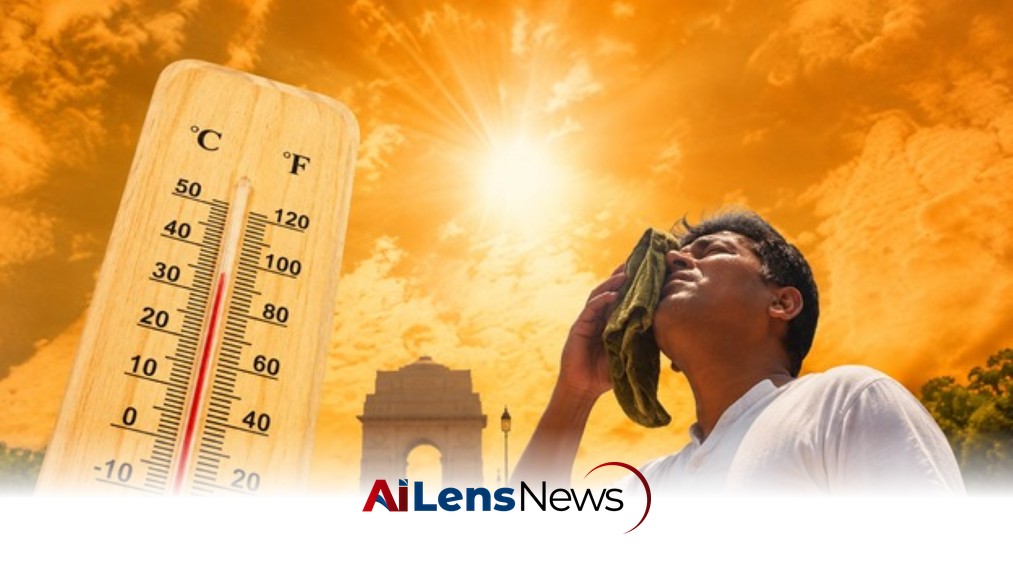


With rising temperatures in Jammu and Kashmir, health experts recommend breathable, light clothing to prevent heat-related illnesses. Cotton and light colors are emphasized.
Srinagar, India Jul 18, 2026 ALN: With Jammu and Kashmir witnessing an intense heat wave and temperatures rising well above the seasonal average, health experts on Saturday advised people to wear appropriate summer clothing to protect themselves from heat-related illnesses such as dehydration, heat exhaustion, sunburn, and skin infections.
This guidance comes at a time when the region is experiencing a significant shift in weather patterns, which has raised concerns among health professionals and the general populace alike. Climate change has been linked to increasing instances of extreme weather, including prolonged heat waves, which pose serious health risks. In Jammu and Kashmir, known for its picturesque landscapes and temperate climate, such high temperatures are unusual and alarming.
An advisory prepared by Dr. S. Muhammad Salim Khan, Professor, Department of Community Medicine, Government Medical College (GMC) Srinagar, highlights the importance of choosing breathable, light-coloured and loose-fitting clothes during the summer months to help the body stay cool and comfortable. The recommendations aim to mitigate the adverse effects of excessive heat exposure, which can lead to various health complications.
The advisory notes that while Kashmir's typical summer temperatures range between 18°C and 34°C, occasional heatwaves can push temperatures significantly higher, increasing health risks, particularly for children, the elderly, outdoor workers, and people with chronic illnesses. Vulnerable populations, including those with pre-existing health conditions, may find it particularly challenging to cope with the heat, making it essential for them to take extra precautions.
According to the advisory, cotton remains the best fabric for summer due to its breathability, sweat-absorbing properties, and affordability. Cotton allows air to circulate around the body, which helps in evaporating sweat and cooling the skin. “Linen, cotton-linen blends, and bamboo fabrics are also recommended as they promote airflow, dry quickly, and help regulate body temperature.” These materials not only offer comfort but also play a crucial role in preventing overheating and related health issues.
For people engaged in outdoor work or exercise, moisture-wicking sports fabrics can help keep the body dry, while lightweight merino wool may be suitable in certain conditions because of its temperature-regulating properties. These fabrics are designed to pull moisture away from the skin, allowing it to evaporate, which is particularly important during high temperatures when the risk of dehydration and heat-related illnesses increases.
The advisory discourages wearing polyester, nylon, thick denim jeans, velvet, and heavy woollen garments during hot weather, as these materials trap heat, restrict airflow, and increase sweating, discomfort, and the risk of skin irritation. Dark or black-coloured clothing is also discouraged during peak sunshine because it absorbs more heat, which can exacerbate the effects of the heat wave.
It recommended wearing light-coloured cotton shirts, cotton kurtas, cotton salwar suits, chinos, and cotton T-shirts during summer. These clothing options not only provide comfort but also reflect sunlight, reducing heat absorption. The choice of clothing can significantly impact an individual's ability to cope with rising temperatures.
“Full-sleeved cotton clothing is encouraged to protect the skin from harmful ultraviolet (UV) rays, while hats or caps can provide additional protection from direct sunlight.” The importance of UV protection cannot be overstated, as prolonged exposure to UV rays can lead to skin damage and increase the risk of skin cancer. Therefore, wearing protective clothing and accessories becomes a vital part of summer health strategies.
The advisory also lists white, cream, beige, light blue, mint green, light grey, and other pastel shades as the most suitable colours for summer, as they reflect sunlight and absorb less heat compared to darker colours. The psychological aspect of colour also plays a role in how individuals feel in hot weather; lighter shades can create a sense of coolness and comfort.
Besides clothing, the public has been advised to wear loose-fitting garments, cover the head with a hat, cap, or cotton scarf while outdoors, change sweaty clothes promptly to reduce the risk of fungal infections, drink plenty of water, and avoid prolonged exposure to the midday sun. Staying hydrated is critical during heat waves, as dehydration can lead to severe health issues such as heat stroke, kidney problems, and other complications.
The advisory emphasises that proper clothing is not merely a matter of comfort but an important public health measure. “Wearing light, breathable fabrics can help maintain normal body temperature, reduce excessive sweating, and minimise the risk of heat rash, dehydration, and heat exhaustion.” This underscores the need for public awareness and education on the health impacts of climate change and extreme weather events.
As Jammu and Kashmir continues to experience unusually high temperatures, health experts have urged residents to make informed clothing choices alongside staying hydrated and limiting outdoor activities during the hottest hours of the day. The local government and health authorities may need to consider implementing additional measures to protect vulnerable populations, such as providing cooling centers and public health campaigns focused on heat safety.
"Simple changes such as wearing breathable fabrics, choosing light colours and protecting the head from direct sunlight can go a long way in preventing heat-related illnesses during the ongoing heatwave," the advisory states. As the climate continues to change, adapting to new weather patterns will be essential for the health and well-being of communities across Jammu and Kashmir.
In recent years, Jammu and Kashmir has been experiencing not only heat waves but also erratic weather patterns, which have been attributed to broader climate changes affecting the entire globe. The region, famous for its serene beauty and pleasant summers, is now facing challenges that threaten both public health and the local economy, particularly sectors reliant on agriculture and tourism.
Farmers, for example, may find their crops suffering due to increased heat and changing rainfall patterns, leading to reduced yields and impacting food security. Meanwhile, the tourism sector, which is a significant contributor to the local economy, may also be affected as extreme weather can deter visitors who seek the region's famed mild summer climate.
Public health experts stress that the implications of climate change are far-reaching. The increase in heat waves is just one symptom of a larger problem that requires immediate and collective action. This includes not only individual behavioral changes, such as choosing appropriate clothing, but also systemic changes at the policy level to address the root causes of climate change. Implementing sustainable practices, promoting renewable energy, and increasing green spaces are all strategies that can help mitigate the effects of climate change.
Moreover, raising awareness about the health risks associated with heat exposure is crucial. Educational campaigns can empower residents to recognize the signs of heat-related illnesses, such as dizziness, excessive sweating, and confusion, which are often early indicators of heat exhaustion. By fostering a community that is informed and prepared, the region can better endure the challenges posed by extreme weather.
In conclusion, as Jammu and Kashmir grapples with the realities of climate change and rising temperatures, the guidance from health experts serves as a vital resource for residents. Making informed choices about clothing, staying hydrated, and being aware of the risks associated with extreme heat are essential strategies for maintaining health and well-being. As the community adapts to these changes, it is imperative to foster a culture of resilience that can withstand the growing challenges posed by climate change.
To learn more about the latest developments in Health News, stay updated with our exclusive reports and analyses on AiLensNews.

