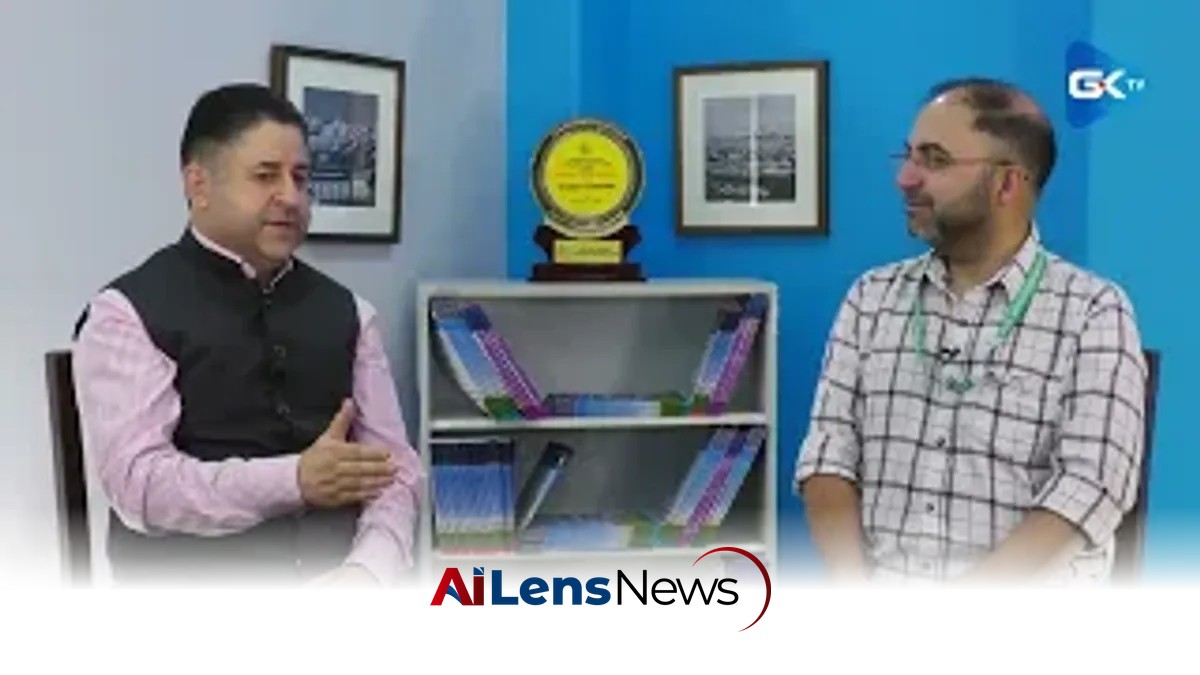


The Nasha Mukt Abhiyan initiative in Jammu and Kashmir marks its 100-day milestone, focusing on combating drug addiction through awareness and rehabilitation.
Srinagar, India Jul 18, 2026 ALN: The Nasha Mukt Abhiyan, a significant initiative aimed at creating a drug-free Jammu and Kashmir, has successfully completed its first 100 days. Launched to combat the rising issue of drug addiction in the region, this campaign emphasizes awareness, prevention, and rehabilitation. The initiative is a response to a growing public health crisis that has affected numerous families and communities within the region, highlighting the urgent need for effective measures against substance abuse.
Drug addiction has become a pressing concern in Jammu and Kashmir, affecting individuals and families across various demographics. The region has witnessed a troubling increase in drug-related issues, particularly among the youth, which has been attributed to various factors, including economic challenges, social unrest, and limited access to mental health resources. The Nasha Mukt Abhiyan was introduced to address this crisis by promoting a holistic approach to addiction recovery. The initiative aims to educate the public about the dangers of substance abuse and provide support for those struggling with addiction.
The historical context of drug abuse in Jammu and Kashmir is complex, with the region's socio-political landscape contributing to the vulnerability of its population. Years of conflict have led to a rise in mental health issues, which, coupled with a lack of recreational opportunities, have driven many individuals towards substance use as a coping mechanism. The Nasha Mukt Abhiyan seeks to tackle these underlying issues by fostering a supportive environment that encourages recovery and resilience.
In recent years, the problem of drug addiction in Jammu and Kashmir has escalated alarmingly. Reports indicate that various substances, including heroin, cannabis, and synthetic drugs, have become increasingly accessible. This accessibility is alarming, especially considering the region's historical challenges, including prolonged periods of violence and instability. These factors have created a perfect storm, where young people, in particular, are turning to drugs as a means of escape from their harsh realities.
Since its launch, the Nasha Mukt Abhiyan has made significant strides:
In addition to these achievements, the initiative has also focused on integrating educational materials into schools and colleges, aiming to reach younger audiences before they are exposed to drugs. By targeting youth, the Nasha Mukt Abhiyan hopes to instill a sense of responsibility and awareness about the dangers of substance abuse early on, thus preventing addiction before it begins.
Looking ahead, the Nasha Mukt Abhiyan aims to expand its reach and impact. Plans include:
Moreover, the initiative plans to incorporate digital platforms and social media campaigns to reach a wider audience, particularly the tech-savvy younger generation. By utilizing technology, the Nasha Mukt Abhiyan hopes to create engaging content that resonates with youth and encourages them to participate in the fight against drug abuse.
The completion of the first 100 days of the Nasha Mukt Abhiyan marks a crucial step towards a drug-free Jammu and Kashmir. The initiative's focus on awareness, rehabilitation, and community involvement is expected to yield long-term benefits for the region. With ongoing efforts and community support, the initiative aims to create a healthier, more aware society free from the grips of addiction. The success of this campaign could serve as a model for other regions facing similar challenges, demonstrating that comprehensive, community-driven approaches can effectively combat the scourge of drug addiction.
As the Nasha Mukt Abhiyan continues to evolve, it will be essential to monitor its progress and adapt strategies as needed. Feedback from participants and stakeholders will play a critical role in shaping future interventions, ensuring that the initiative remains responsive to the needs of the community. By fostering a culture of support and resilience, Jammu and Kashmir can aspire to a future where individuals are empowered to overcome addiction and lead fulfilling lives.
In summary, the Nasha Mukt Abhiyan is not merely a campaign against drug abuse; it represents a broader movement towards healing and recovery in Jammu and Kashmir. As the initiative progresses, it is imperative that all stakeholders, including government bodies, non-profit organizations, and community members, continue to collaborate and innovate in their approaches to this pressing issue. The journey towards a drug-free Jammu and Kashmir may be long, but with sustained effort and commitment, it is a goal that can be achieved.
To learn more about the latest developments in Health News, stay updated with our exclusive reports and analyses on AiLensNews.

