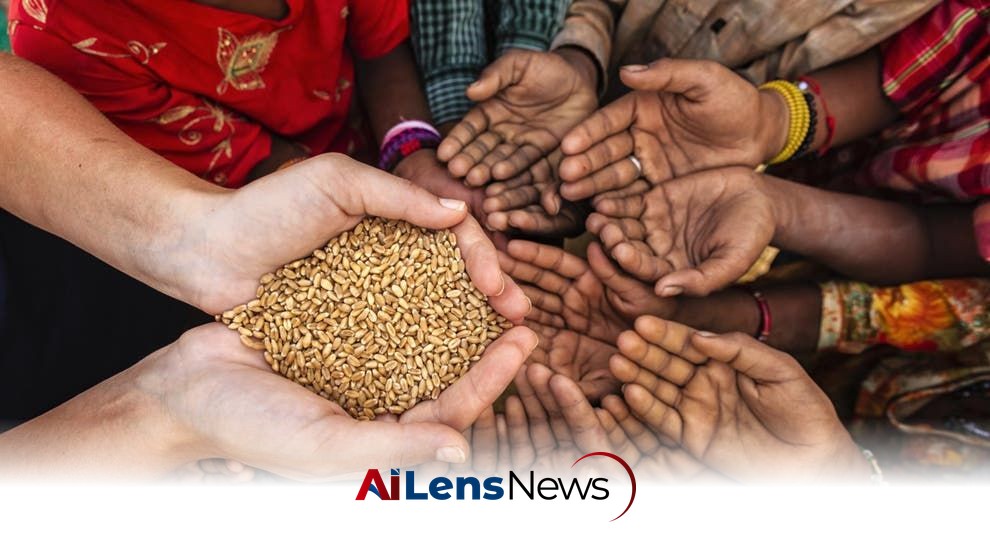


The UN's SOFI 2026 report reveals a decline in global hunger, yet millions in India still lack access to nutritious diets, highlighting ongoing challenges.
New Delhi, India Jul 23, 2026 ALN: The United Nations’ State of Food Security and Nutrition in the World (SOFI) 2026 report brings cautious optimism regarding global hunger trends. It notes that global hunger has declined for the third consecutive year in 2025, with an estimated 645 million people—representing about 7.8 percent of the world population—facing undernourishment. This marks a notable recovery from the disruptions caused by the COVID-19 pandemic. However, despite this progress, the world remains far from achieving the Sustainable Development Goal of Zero Hunger by 2030. The number of undernourished people is still approximately 50 million higher than it was in 2015, indicating that significant challenges remain in eradicating hunger.
Regional disparities in hunger prevalence are stark. In Asia, which includes India, around 6 percent of the population is affected by hunger. In contrast, Africa is currently home to the largest share of the world’s hungry population, with one in five individuals classified as undernourished. Projections indicate that Africa could account for 56 percent of global hunger by 2030 if current trends continue. This situation underscores the need for targeted interventions and comprehensive strategies to address the unique challenges faced by different regions.
India stands out for its significant progress in food security over the past few years. The country has achieved sustained high cereal production, effective procurement strategies, and the implementation of expansive welfare programs such as the National Food Security Act (NFSA) and the Pradhan Mantri Garib Kalyan Anna Yojana (PMGKAY). These initiatives have substantially improved foodgrain availability across the nation.
As of recent data, the PMGKAY provides free foodgrains to approximately 81 crore beneficiaries, reflecting the government’s commitment to ensuring food security for its citizens. For the 2025-26 fiscal year, massive allocations of over 600 lakh tonnes of foodgrains are planned for various schemes, which will help sustain and enhance food security for vulnerable populations. Additionally, the distribution of fortified rice continues to address micronutrient deficiencies, which are prevalent in many segments of the population.
India's record buffer stocks in the central pool, which are well above the norms for rice and wheat, enable effective distribution during times of crisis, festivals, or natural calamities. These measures have contributed to shielding vulnerable populations from food insecurity, playing a significant role in reducing moderate or severe food insecurity globally. Experts attribute this success to diversification efforts in horticulture, pulses, and oilseeds, as well as the establishment of farmer producer organizations that strengthen supply chains and enhance market access for farmers.
Despite these significant gains in food availability, the SOFI report underscores a critical gap: healthy diets remain out of reach for millions of people in India and around the world. The global cost of a healthy diet rose to 4.28 PPP dollars per person per day in 2025, marking a significant increase from prior years. In India, this cost is reported to be 4.11 PPP dollars, which poses a substantial burden for many households.
Nutrient-rich foods such as fruits, vegetables, pulses, dairy, and proteins have experienced faster price inflation compared to staple cereals. This trend has serious implications for food security, particularly for low-income households. Studies indicate that a significant portion of rural poor households in India cannot afford the recommended nutritious diets, with the costs of these diets consuming a large share of daily wages, especially for women who often manage household food budgets.
Women, in particular, face additional challenges in accessing healthy diets due to socio-economic barriers and cultural practices. The rising costs of nutritious foods, combined with limited income opportunities, exacerbate the difficulties faced by these households in achieving food security. This situation highlights the need for policies that not only ensure food availability but also make healthy diets affordable for all, particularly for marginalized communities.
As the world makes strides towards improving food security, emerging global risks threaten to undermine this momentum. Geopolitical tensions, particularly conflicts in the Middle East, pose fresh threats by inflating energy, fertilizer, and food prices. The Food and Agriculture Organization (FAO) has projected that under prolonged crisis scenarios, hungry populations could increase by up to 10 million in Asia and 8 million in Africa by 2030. Such projections indicate that the challenges of food insecurity are not only persistent but are also evolving in response to global dynamics.
Climate change and extreme weather events further compound these risks, disproportionately affecting rural areas and vulnerable populations. In 2025, approximately 2.1 billion people globally experienced moderate or severe food insecurity, highlighting the urgent need for adaptive strategies that can address the multifaceted nature of food systems. The impacts of climate change on agriculture, including shifts in crop yields and increased frequency of extreme weather events, necessitate a comprehensive approach to food security that integrates climate resilience.
Economic volatility, exacerbated by global supply chain disruptions and inflationary pressures, adds another layer of complexity to the food security landscape. Rising costs of inputs such as seeds, fertilizers, and fuel can hinder agricultural productivity and increase food prices, further limiting access to nutritious food for vulnerable populations.
The implications of these findings are profound. While India has made commendable progress in food availability, the persistent challenges of affordability and access to healthy diets require urgent attention. Policymakers must prioritize strategies that not only enhance food production but also ensure that nutritious foods are accessible and affordable for all segments of the population. This includes investing in agricultural diversification, improving market access for smallholder farmers, and implementing targeted nutrition programs that address the specific needs of vulnerable groups.
In conclusion, the mixed picture of India’s progress against hunger reflects both achievements and ongoing challenges. As the country navigates the complexities of food security in a changing global landscape, it is imperative to adopt a holistic approach that addresses the root causes of hunger and malnutrition. By doing so, India can work towards a future where all citizens have access to sufficient, safe, and nutritious food, ultimately contributing to the global goal of Zero Hunger by 2030.
To learn more about the latest developments in Health News, stay updated with our exclusive reports and analyses on AiLensNews.

