

The Himachal Pradesh Government has approved a one-year internship for foreign MBBS graduates affected by COVID-19 disruptions, allowing them to complete their training.
Shimla, India Jul 25, 2026 ALN: Shimla: In a significant development aimed at alleviating the challenges faced by foreign MBBS graduates due to the disruptions caused by the COVID-19 pandemic, the Himachal Pradesh Government has approved a one-year internship program for eligible students. This decision comes as a response to the unique circumstances that many medical students encountered during their education, particularly those who were forced to attend online classes due to the global health crisis.
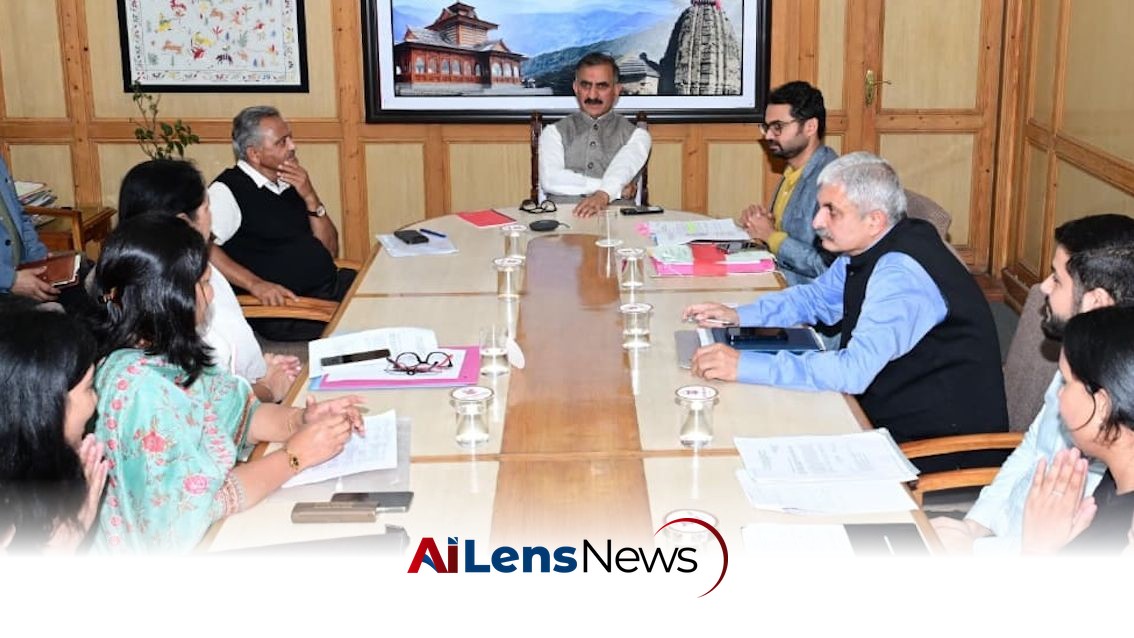
The Chief Minister of Himachal Pradesh, Sukhvinder Singh Sukhu, convened a meeting in Shimla with affected students and senior officials from the Health Department to discuss the pressing issues surrounding the internship requirements for foreign medical graduates. During this meeting, Sukhu emphasized the need for a swift resolution to the concerns raised by the students, directing the Health Department to complete all necessary formalities and issue the required orders promptly. This action is intended to facilitate the commencement or completion of internships for eligible graduates without any further delays.
In his address, Chief Minister Sukhu highlighted the importance of adopting a fair and pragmatic approach in addressing the challenges faced by foreign medical graduates. He expressed a commitment to ensuring that deserving students are not penalized for circumstances that were beyond their control during the pandemic. This sentiment resonates with many students who have voiced their frustrations over the inconsistencies in internship requirements that emerged as a result of the pandemic.
One of the critical issues raised during the meeting was the growing uncertainty regarding the internship requirements for foreign medical graduates. Many students from the same academic batches found themselves subjected to varying internship durations. While some graduates were permitted to complete a one-year internship, others were required to undergo a two-year internship, despite having experienced similar educational disruptions during the pandemic. This inconsistency has led to confusion and distress among students who are eager to complete their training and begin their medical careers.
Chief Minister Sukhu pointed out that the National Medical Commission (NMC) has granted state governments the authority to assess the adequacy of the "compensatory training period" for foreign medical graduates whose academic programs were conducted online during the pandemic. Recognizing the provisions set forth by the NMC and the genuine hardships faced by students, the Himachal Pradesh Government has made the decision to standardize the internship period at one year for eligible candidates. This move is expected to bring clarity and uniformity to the internship process for foreign medical graduates in the state.
In addition to providing relief to students, the Chief Minister instructed the Health Department to expedite the issuance of the necessary orders, ensuring that affected students do not encounter any further delays in completing their mandatory training. This proactive approach by the state government reflects a growing recognition of the challenges faced by medical students during the pandemic and the need for supportive measures to facilitate their career progression.
The decision to allow a one-year internship for foreign MBBS graduates is not merely a bureaucratic adjustment; it has significant implications for the future of medical education and healthcare services in Himachal Pradesh. By enabling these graduates to complete their internships in a timely manner, the state government is not only helping individual students but is also contributing to the overall enhancement of the healthcare workforce in the region. A well-trained and adequately prepared medical workforce is crucial for addressing the healthcare needs of the population, especially in the wake of the pandemic.
Furthermore, the decision aligns with the ongoing efforts to improve medical education standards and to ensure that healthcare professionals are adequately trained to meet the demands of an evolving healthcare landscape. The pandemic has highlighted the importance of having a robust healthcare system, and the ability to swiftly adapt educational requirements is essential for preparing future doctors to respond effectively to public health emergencies.
The approval of this one-year internship program also reflects a broader trend in which governments and educational institutions are reevaluating their policies to better accommodate the realities faced by students during unprecedented times. The COVID-19 pandemic has disrupted educational systems worldwide, leading to a rethinking of traditional practices in medical training and education. The Himachal Pradesh Government's decision aligns with a growing recognition that flexibility and understanding are essential in navigating the challenges posed by such global crises.
Moreover, the decision may serve as a precedent for other states facing similar issues with foreign medical graduates. As many medical students across India and beyond navigate the complexities of post-pandemic education and training, the Himachal Pradesh model could inspire other regions to adopt similar measures that prioritize the needs of students and the integrity of medical training.
In conclusion, the Himachal Pradesh Government's approval of a one-year internship for foreign MBBS graduates represents a significant step toward addressing the challenges posed by the COVID-19 pandemic. By standardizing internship requirements and facilitating timely completion of training, the government is not only supporting individual students but is also reinforcing the quality of medical education and healthcare services in the state. As the healthcare landscape continues to evolve in the aftermath of the pandemic, such initiatives will be crucial in fostering a resilient and capable medical workforce ready to meet the needs of the community.
As the state moves forward, it is essential to monitor the implementation of this program and assess its impact on both the graduates and the healthcare system. The success of the one-year internship initiative could lead to further reforms in medical education policies, ensuring that future challenges are met with effective and timely solutions. Ultimately, the well-being of the community and the advancement of healthcare services depend on the ability of the education system to adapt and respond to the needs of its students.
To learn more about the latest developments in Health News, stay updated with our exclusive reports and analyses on AiLensNews.

