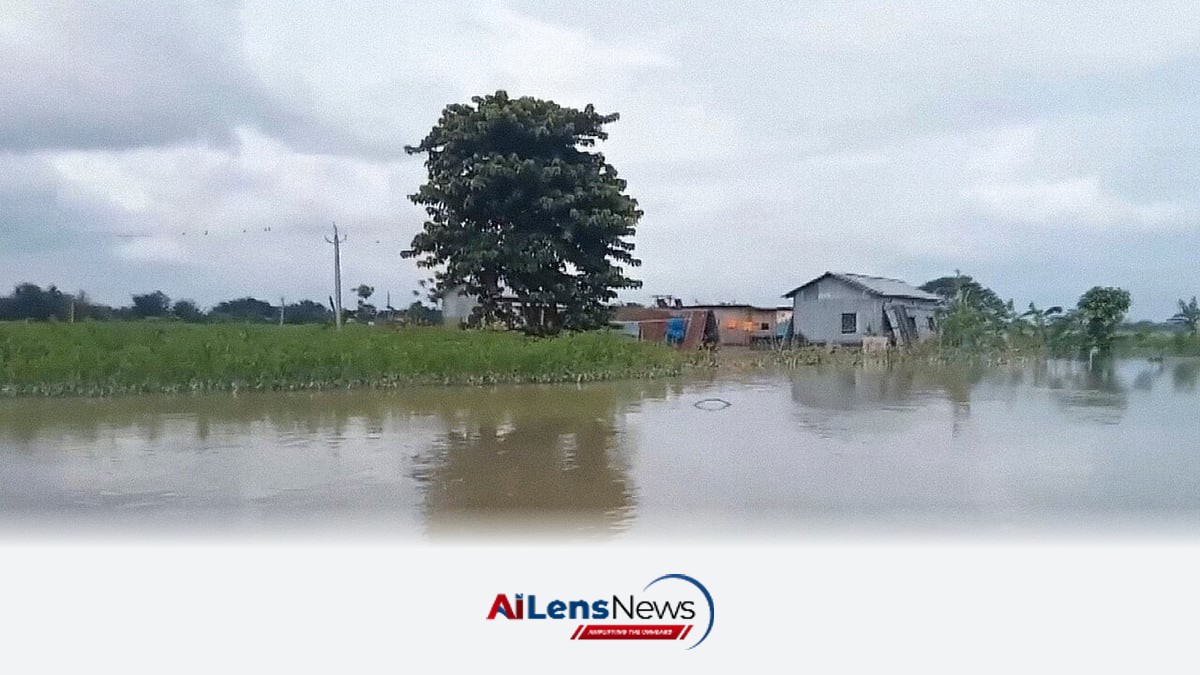



In response to the ongoing floods, Sivasagar has ramped up vector control and disease surveillance efforts to prevent outbreaks of vector-borne diseases.
Dispur, India Aug 23, 2026 ALN: In response to the ongoing flood situation, the National Vector Borne Disease Control Programme (NVBDCP), Sivasagar, has intensified vector-control and disease-surveillance activities across flood-affected areas of the district to prevent the outbreak and spread of vector-borne diseases. The recent floods have not only caused significant damage to infrastructure and homes but have also created an environment conducive to the proliferation of disease-carrying vectors such as mosquitoes, which can lead to serious health crises.
Flooding can lead to stagnant water accumulating in various locations, providing ideal breeding grounds for mosquitoes. This situation is particularly concerning given that vector-borne diseases like Japanese Encephalitis/Acute Encephalitis Syndrome (JE/AES) and dengue pose severe health risks to the local population. The NVBDCP's proactive measures aim to mitigate these risks through a combination of fogging operations, community engagement, and health education.
Extensive fogging operations have been carried out in flood-affected areas, including Bihubor, Nepalikhuti, Santak, Nazira, Geleky, Bhadhora, Nimaijan, and Sivasagar urban areas, as well as under the Geleky and Khelua Block Primary Health Centres (BPHCs). The programme has also covered all health blocks of the district to reduce mosquito populations. These operations are crucial, especially during the monsoon season when mosquito breeding is at its peak. The use of fogging with insecticides helps to kill adult mosquitoes and reduce their populations swiftly.
Alongside fogging operations, comprehensive awareness programmes are being conducted among grassroots communities. Residents are being educated about vector-borne diseases, preventive measures, and the importance of eliminating waterlogging and mosquito-breeding sites around their homes, as well as maintaining proper hygiene. Such community engagement is vital as it empowers residents to take charge of their health and safety. By understanding how to prevent mosquito breeding, households can significantly reduce the risk of disease transmission.
Larvicidal spraying using Bacillus thuringiensis israelensis (BTi) is also underway in waterlogged drains and other potential mosquito-breeding sites in flood-affected areas. BTi is a biological control agent that specifically targets mosquito larvae without harming other aquatic life, making it an environmentally friendly option for vector control. This approach is particularly important in areas where chemical insecticides may pose risks to the ecosystem or human health.
In addition, Insecticide-Treated Bed Net (ITBN) impregnation is being carried out across the district, with 38,117 bed nets impregnated so far. The use of ITBNs is a critical strategy in preventing mosquito bites during the night when many vector-borne diseases are transmitted. The distribution of these bed nets aims to protect vulnerable populations, particularly children and the elderly, who may be more susceptible to severe illness from diseases like malaria and dengue.
To strengthen public outreach, an Information, Education and Communication (IEC) van has been deployed to disseminate health messages, while awareness leaflets are being distributed from house to house. This grassroots approach ensures that the information reaches the most affected communities, providing them with the knowledge they need to protect themselves. The use of IEC materials is essential in raising awareness about the symptoms of vector-borne diseases, the importance of seeking medical care early, and the preventive measures that can be taken.
Fever surveillance is also being conducted through blood-slide collection and rapid diagnostic tests for malaria during routine health programmes, health camps, and special health camps organized by the Government of Assam in flood-affected areas under the supervision of Health Minister Ashok Singhal. Early detection of malaria and other vector-borne diseases is critical in preventing outbreaks and ensuring that affected individuals receive timely treatment. The establishment of health camps in these areas allows for direct access to healthcare services, which is vital in the aftermath of a natural disaster.
The National Health Mission (NHM), Sivasagar, is also undertaking extensive awareness activities to prevent the transmission of vector-borne and water-borne diseases in the aftermath of the floods. Water-borne diseases, such as cholera and gastroenteritis, often see a rise during and after flooding due to contamination of water sources. By addressing both vector-borne and water-borne diseases, the NHM aims to provide a comprehensive public health response to the challenges posed by the floods.
In conclusion, the intensified vector control measures in Sivasagar reflect a proactive approach to public health in the face of a natural disaster. As the district grapples with the immediate impacts of flooding, the focus on preventing disease outbreaks is crucial. The collaboration between various health authorities, community engagement, and the implementation of targeted interventions will be essential in safeguarding the health of the population during this challenging time. Continued vigilance and community participation will play a key role in mitigating the health risks associated with the current flood situation.
To learn more about the latest developments in Health News, stay updated with our exclusive reports and analyses on AILensNews.

