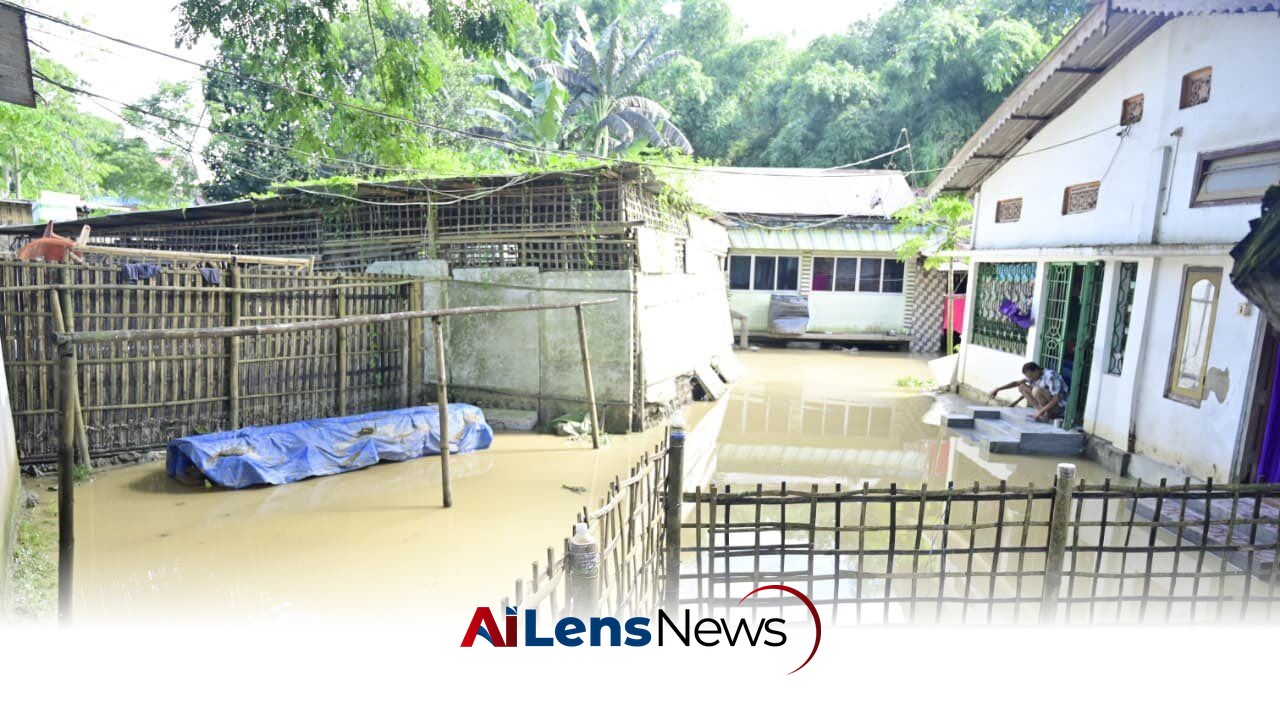


As floodwaters recede in Dergaon, residents confront unsanitary conditions, snake infestations, and disease threats, urging immediate health interventions.
Dispur, India Jul 26, 2026 ALN: As floodwaters gradually recede in Assam's Dergaon, flood-hit residents are now confronting a new crisis with unsanitary living conditions, snake infestations, and the looming threat of disease outbreaks. The situation has become dire, as communities struggle to cope with the aftermath of the floods that have wreaked havoc across the region.
In several villages of the Kakodonga area under Dergaon, stagnant water, piles of waste, swarms of flies, and the increasing presence of snakes and other poisonous creatures have left residents living in fear. The floods, which have displaced thousands and inundated homes, have now given way to a secondary disaster—one that poses a serious risk to public health and safety.
Local residents allege that despite the deteriorating conditions, the health department has not responded with the urgency required to prevent the spread of diseases. This lack of timely intervention has heightened concerns among the affected populace, who are now at risk of diseases such as dengue, malaria, and leptospirosis, all of which thrive in post-flood environments.
"We are now at the mercy of the flood. It is not about whether you help us or not. Just provide us with tarpaulin sheets and supplies like bleaching powder and phenyl so that we can continue living in our own homes. Snakes, rats, and other creatures are entering our houses. We have been living in waterlogged conditions for the past five to six days, and although the water has receded slightly, our homes are still not safe to live in," a flood-affected resident said. This sentiment is echoed by many in the community, who feel abandoned in their time of need.
According to local residents, nearly 10,000 people in the Dergaon constituency have been affected by the floods, while around 25,000 livestock have also suffered due to inundation. The economic implications of this disaster are significant, as many families rely on agriculture and livestock for their livelihoods. The loss of crops and animals could lead to long-term food insecurity and economic hardship for the community.
Another resident expressed concern about the lack of medical supplies and sanitation measures. "Our houses remain submerged. Rehabilitation is important, but first the administration should provide medicines. Mosquitoes, earthworms, snakes, and other creatures have infested the area. We have received relief materials like rice, mustard oil, and salt, but what we urgently need now is disinfectant powder and spraying to make the area safe. Only a little water has receded since yesterday," a local woman said. Her plea highlights the urgent need for a coordinated response from health authorities and local government.
With floodwaters beginning to withdraw, residents say the focus must now shift from emergency relief to public health. They warn that without immediate sanitation measures, the flood aftermath could trigger a serious health crisis in the affected villages. The presence of stagnant water creates breeding grounds for mosquitoes, which can lead to outbreaks of vector-borne diseases. Additionally, the accumulation of waste and contamination of drinking water sources pose further health risks.
In light of these challenges, residents have urged the health department and local authorities to immediately organise health camps and carry out spraying of disinfectants and germicides in the affected villages. The establishment of health camps would not only provide immediate medical assistance but also serve as a platform for educating the community about hygiene practices and disease prevention in the aftermath of the floods.
The flood-hit residents also appealed to the Member of the Legislative Assembly (MLA) of the Dergaon constituency to intervene and ensure essential sanitation materials reach the worst-hit areas. Political leaders play a crucial role in mobilising resources and support for disaster-affected communities, and their involvement can significantly impact the recovery process.
The broader implications of this crisis extend beyond immediate health concerns. The floods and their aftermath highlight the vulnerability of communities in Assam to natural disasters, exacerbated by climate change and inadequate infrastructure. As the region faces an increasing frequency of extreme weather events, it is imperative for local and state authorities to develop comprehensive disaster management plans that include preparedness, response, and recovery strategies.
Moreover, the need for sustainable solutions to address the underlying issues of drainage, waste management, and public health infrastructure has never been more urgent. Investing in resilient infrastructure and community education can help mitigate the impacts of future floods and protect the health and well-being of residents.
In conclusion, the situation in Dergaon serves as a stark reminder of the interconnectedness of environmental disasters and public health. As the community grapples with the immediate aftermath of the floods, it is critical that local authorities prioritise health interventions and sanitation measures to prevent a secondary crisis. The resilience of the affected residents will be tested in the coming weeks, and their calls for action must be met with a swift and comprehensive response from all stakeholders involved.
As the floodwaters recede, the recovery process will require not only immediate relief but also long-term planning to ensure that communities like Dergaon are better prepared for future disasters. This includes enhancing the capacity of local health systems, improving infrastructure for waste management, and implementing effective community education programs on hygiene and disease prevention. The lessons learned from this crisis could inform future strategies, making the region more resilient to the impacts of climate change and natural disasters.
Furthermore, the involvement of non-governmental organizations (NGOs) and civil society in the recovery efforts could provide additional support to the affected communities. These organizations often have the expertise and resources to implement health interventions quickly and effectively, complementing government efforts. Collaborative approaches that include local voices can foster a sense of ownership among residents, empowering them to take part in the recovery process.
Ultimately, the plight of Dergaon's residents underscores the urgent need for a holistic approach to disaster management that prioritizes public health and community resilience. It is not just about responding to the immediate aftermath of a flood but also about building a foundation for sustainable recovery and preparedness for future challenges. As the community looks ahead, it is essential that all stakeholders come together to support the recovery and ensure that lessons learned from this disaster lead to meaningful change in how such crises are managed in the future.
To learn more about the latest developments in Health News, stay updated with our exclusive reports and analyses on AiLensNews.

