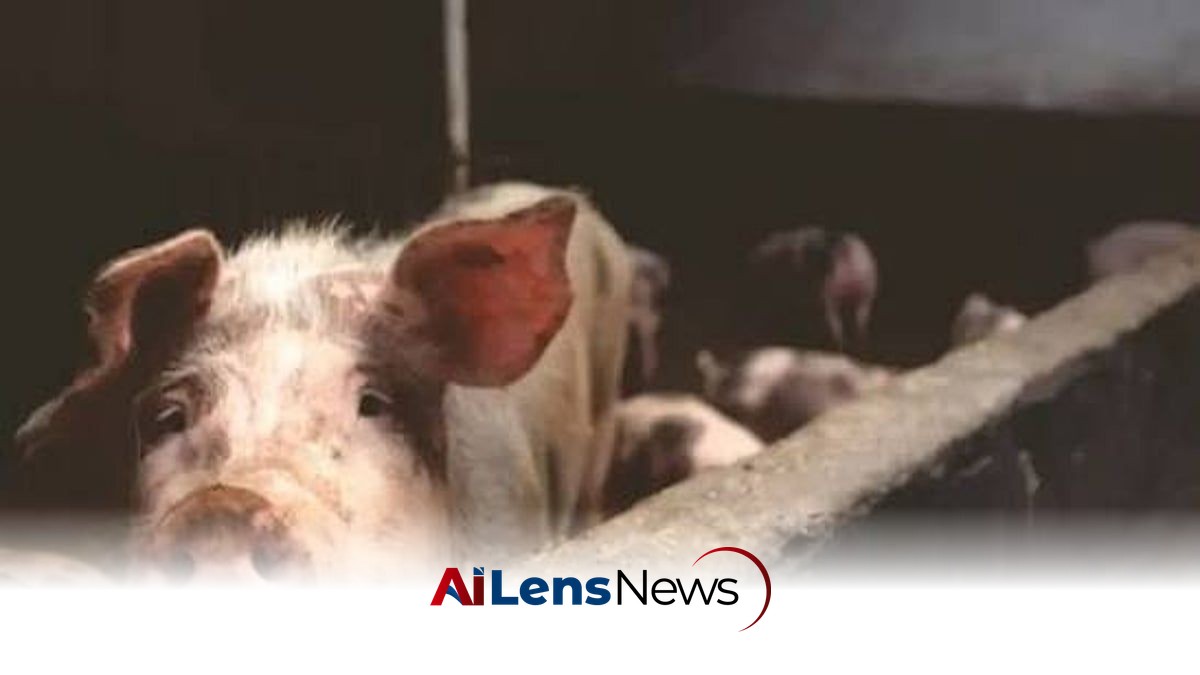


The Tinsukia district has declared an outbreak of African Swine Fever in Simoluguri village, enforcing culling operations and a temporary ban on pork trade.
Itanagar, India Jul 21, 2026 ALN: Guwahati: The Tinsukia district administration has declared an outbreak of African Swine Fever (ASF) in Simoluguri village under the Kailashpur Gram Panchayat in Margherita Revenue Circle and has ordered immediate containment measures, including culling operations and a temporary ban on the pork trade.
African Swine Fever is a severe viral disease affecting domestic and wild pigs, characterized by high mortality rates. The disease is caused by the African swine fever virus (ASFV), which is a member of the Asfarviridae family. ASF is not harmful to humans, but it poses a significant threat to the swine industry, leading to economic losses for farmers and the agricultural sector as a whole. The disease can spread rapidly through direct contact between pigs, as well as through contaminated feed, equipment, and clothing.
As per an order issued by the District Commissioner of Tinsukia, Simoluguri village has been identified as the epicentre of the outbreak. In accordance with the National Action Plan for the Control, Containment and Eradication of African Swine Fever, a one-kilometre radius around the affected village has been declared an infected zone, while areas within a 10-kilometre radius have been designated as a surveillance zone. This zoning is crucial for monitoring the disease and preventing its spread to unaffected areas.
The Animal Husbandry and Veterinary Department has been directed to carry out culling operations in the infected zone from 21st July to 23rd July to prevent the further spread of the disease. Culling is a common practice in managing outbreaks of ASF, as it helps to eliminate infected animals and reduce the viral load in the environment. The decision to implement culling is often difficult for communities that rely on pig farming for their livelihood, but it is deemed necessary to protect the health of the remaining pig population.
The order also mandates the safe disposal of culled animals and thorough sanitisation of the affected areas. Proper disposal methods are critical to prevent any potential environmental contamination and to mitigate the risk of the virus lingering in the area. Officials have been instructed to maintain detailed records throughout the operation for future reference, which is essential for tracking the outbreak and evaluating the effectiveness of the response measures.
As part of the containment measures, all shops dealing in pork and pork-related products in the Digboi Co-District will remain closed for the next 30 days or until further orders. This ban is aimed at curbing the movement of potentially contaminated products and reducing the risk of human and animal exposure to the virus.
The district administration has also prohibited the movement of pigs and pork products to and from other districts, neighbouring areas, and the sale of pork at markets and retail outlets across the Digboi Co-District during the same period. These restrictions are critical in preventing the spread of ASF to other regions, as pigs can carry the virus without showing symptoms for several days.
Authorities have warned that anyone found violating the restrictions will face legal action under the relevant provisions of the Disaster Management Act, 2005, and the Bharatiya Nyaya Sanhita (BNS). The enforcement of these regulations is vital for maintaining public health and safety, as well as for protecting the livelihoods of farmers in the region.
The administration said the measures have been introduced to contain the outbreak and prevent the spread of the highly contagious viral disease among pig populations in the region. The impact of ASF on local economies can be substantial, as it can lead to a decrease in pork supply, increased prices, and significant losses for farmers and related businesses. In addition to economic implications, ASF outbreaks can also affect food security, as pork is a significant source of protein for many communities.
In terms of economic impact, the swine industry is a critical component of agricultural economies in many regions, including Tinsukia. The culling of pigs, while necessary to control the outbreak, can lead to immediate financial losses for farmers. Many smallholder farmers depend on pig farming as a primary source of income, and the sudden loss of livestock can be devastating. Furthermore, the ban on pork sales can result in a significant drop in income for those involved in the pork supply chain, including traders, butchers, and retailers.
The response to the outbreak in Tinsukia is part of a broader national effort to combat African Swine Fever, which has been reported in various regions across India in recent years. The government has been working to strengthen biosecurity measures, enhance surveillance capabilities, and educate farmers about the risks associated with ASF. Public awareness campaigns are also crucial in informing communities about the symptoms of the disease and the importance of reporting suspected cases to authorities. These educational initiatives aim to empower farmers with knowledge about biosecurity practices, such as preventing contact between domestic pigs and wild boar populations, which are known carriers of the virus.
In addition to immediate containment efforts, long-term strategies are also necessary to mitigate the impact of ASF in the future. This includes developing vaccines, improving biosecurity protocols on farms, and creating contingency plans for farmers to follow in the event of an outbreak. Research into ASF continues to be a priority, as understanding the virus and its transmission pathways is crucial for developing effective control measures.
In conclusion, the declaration of an ASF outbreak in Tinsukia district underscores the ongoing challenges faced by the swine industry in India. The implementation of culling operations and trade bans are necessary steps to contain the outbreak and protect the health of the remaining pig population. As authorities continue to monitor the situation, the focus will remain on preventing further spread and supporting affected communities in recovering from the economic impacts of the outbreak. The situation highlights the importance of coordinated efforts between government agencies, farmers, and the community to effectively manage animal health crises and safeguard food security.
- Swine Flu Case Confirmed in Puranigudam; Woman Undergoing Treatment at GMCH
To learn more about the latest developments in Emergency & Critical Care, stay updated with our exclusive reports and analyses on AiLensNews.

