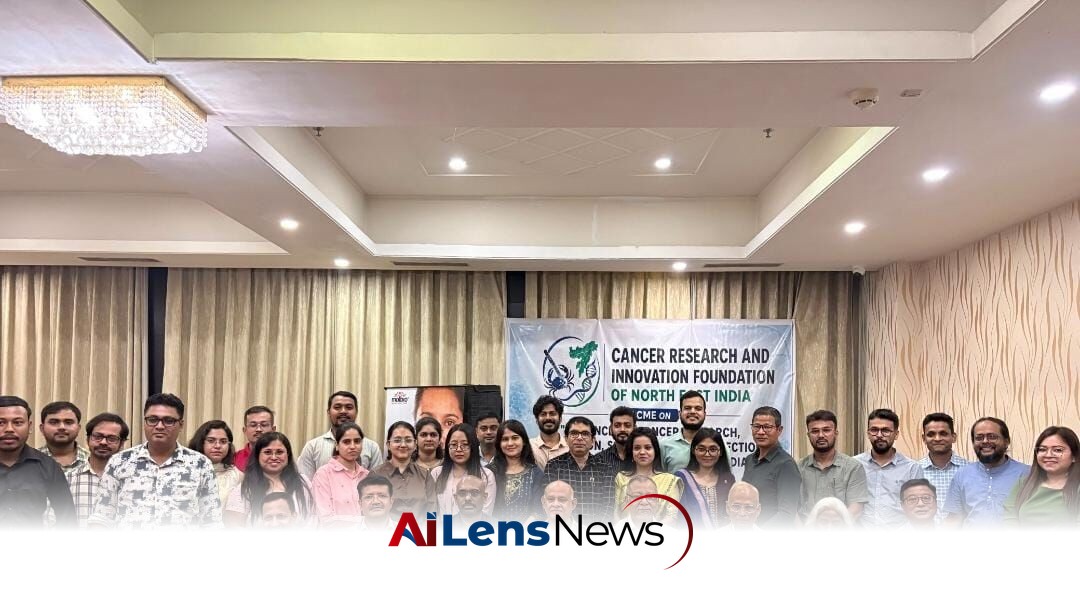


A new initiative aims to enhance cancer research and patient care in Northeast India through collaboration among experts and institutions.
New Delhi, India Jul 12, 2026 ALN: Leading oncologists, scientists, academicians, and researchers from across the Northeast have come together to establish a common platform to strengthen collaborative cancer research, innovation, and evidence-based patient care in the region.
The initiative has led to the formation of the Cancer Research and Innovation Foundation of North East India (CRIF-NEI), a new body aimed at promoting partnerships among clinicians, scientists, researchers, and academic institutions, while facilitating multicentric cancer research across the Northeast. This move comes at a crucial time as the region faces an increasing burden of cancer cases, necessitating a coordinated response to improve outcomes for patients.
The Foundation was formally constituted during a recent meeting in Guwahati attended by specialists from healthcare institutions, universities, and research organizations from Assam and other northeastern states. The gathering underscored the collaborative spirit and urgency among professionals to address the pressing challenges posed by cancer, which has been identified as one of the leading causes of morbidity and mortality in India.
According to the members, CRIF-NEI has been established to address the growing need for coordinated cancer research by creating a structured platform for collaboration in key areas such as cancer prevention, early detection, molecular diagnostics, translational medicine, and precision oncology. These areas are vital, as they encompass a comprehensive approach to tackling cancer, from understanding its biological basis to implementing effective treatment strategies tailored to individual patients.
The initiative brings together experts from several leading institutions, including IIT Guwahati, AIIMS Guwahati, Gauhati University, Assam down town University, Martin Luther Christian University, Nuclear Medicine Diagnostic and Imaging Centre, ARHI, GNRC, Health City Hospital, and other medical and academic organizations across the region. This diverse representation highlights the multidisciplinary nature of cancer research, which requires input from various fields including medicine, engineering, and public health.
During the meeting, members resolved to promote multicentric cancer research projects, scientific conferences, Continuing Medical Education (CME) programs, cancer screening initiatives, capacity-building activities, and public awareness campaigns aimed at strengthening cancer care delivery in the Northeast. These initiatives are crucial not only for advancing scientific knowledge but also for educating the public and healthcare professionals about cancer risks, symptoms, and the importance of early detection.
Eminent oncologist and Managing Director of the North East Cancer Hospital and Research Institute, Dr. MN Baruah, has agreed to guide the foundation's scientific activities and future research programs. His leadership is expected to be instrumental in steering the foundation towards achieving its objectives of enhancing cancer research and treatment in the region.
"The platform would help strengthen scientific cooperation and accelerate research efforts that can directly benefit cancer patients in the Northeast," Dr. Baruah said. His statement reflects the overarching goal of CRIF-NEI: to translate research findings into tangible benefits for patients, thereby improving survival rates and quality of life for those affected by cancer.
Participants also stressed the importance of closer collaboration among clinicians, scientists, engineers, and researchers to translate scientific discoveries into practical healthcare solutions and improve patient outcomes. This collaborative model is increasingly recognized as essential for addressing complex health challenges, such as cancer, where a multifaceted approach is required to develop effective interventions.
Members further outlined a long-term vision of positioning the Northeast as a recognized hub for collaborative cancer research, innovation, and precision oncology, while encouraging high-quality scientific research to improve diagnosis, treatment, and overall patient care across the region. The establishment of CRIF-NEI is viewed as a significant step towards achieving this vision, providing a structured framework for ongoing collaboration and innovation.
The implications of this initiative extend beyond just research; it also aims to enhance the overall healthcare infrastructure in the Northeast. By fostering partnerships among various stakeholders, including government bodies, private institutions, and non-profit organizations, CRIF-NEI seeks to create a more integrated approach to cancer care that encompasses prevention, treatment, and rehabilitation.
Moreover, the foundation is expected to play a pivotal role in attracting funding and resources for cancer research in the region. As awareness of the cancer burden in Northeast India grows, there is potential for increased investment from both public and private sectors. This funding could support critical research projects, clinical trials, and the development of new therapies tailored to the unique genetic and environmental factors affecting the population in this region.
Furthermore, the establishment of CRIF-NEI aligns with national and global efforts to combat cancer. The World Health Organization has emphasized the need for collaborative research and innovation in cancer care, recognizing that effective solutions must be grounded in local contexts and realities. By positioning itself as a collaborative hub, the Northeast can contribute to the broader discourse on cancer research and treatment, sharing its findings and innovations with the global community.
In conclusion, the formation of the Cancer Research and Innovation Foundation of North East India marks a significant milestone in the fight against cancer in the region. By fostering collaboration among diverse stakeholders, CRIF-NEI aims to enhance research efforts, improve patient care, and ultimately reduce the burden of cancer in Northeast India. As the foundation embarks on its mission, the hope is that it will not only lead to groundbreaking discoveries but also inspire a new era of cancer care that prioritizes collaboration, innovation, and patient-centered approaches.
To learn more about the latest developments in Diseases & Conditions, stay updated with our exclusive reports and analyses on AiLensNews.

