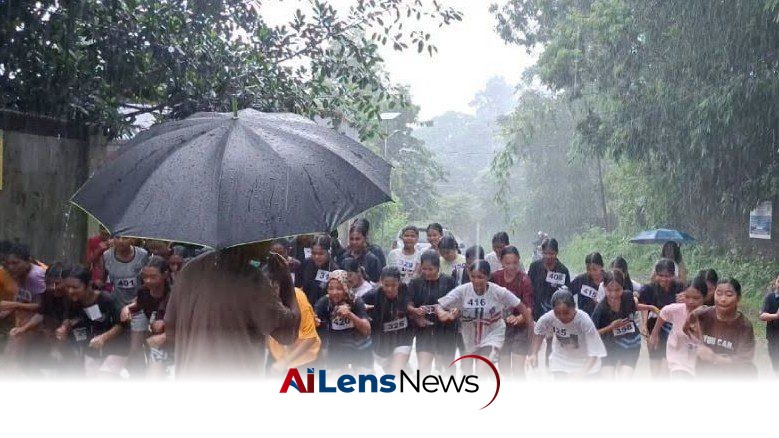


Health officials in Shillong emphasize the importance of voluntary HIV testing during the Red Ribbon Youth Festival, highlighting the state's high prevalence rates.
Shillong, India Jul 11, 2026 ALN: In light of the alarming ranking as the 8th state nationally in HIV prevalence, health officials have urged students to take voluntary HIV tests and avoid risky behaviour, warning that most people in the state still do not know their status. This call to action comes amidst ongoing efforts to combat the stigma surrounding HIV and promote awareness about the virus, which continues to affect many individuals and communities across India.
The message was delivered during the Red Ribbon Youth Festival 2026 at Loyola College, Williamnagar. Organised in collaboration with the Red Ribbon Club and AIDS Control Society (MACS), the festival aimed to educate and engage the youth about the importance of voluntary HIV testing and healthy lifestyle choices. The Red Ribbon Campaign, which began in the 1990s, seeks to raise awareness about HIV/AIDS and to promote safe practices, particularly among vulnerable populations, including young people.
Larina Nongpiur, Assistant Director (Youth) at MACS, stated that HIV is not confined to specific areas but has penetrated various communities throughout the state. She flagged a critical gap in testing: “What is even more alarming is that many people do not know their HIV status. A majority of those undergoing HIV testing are pregnant women,” she said. This statistic highlights the need for targeted outreach and education efforts that reach beyond traditional demographics, ensuring that all segments of the population are informed about their health status and the importance of regular testing.
District Medical and Health Officer Dr. Cruzie Elmina N. Sangma warned of the state’s high incidence of sexually transmitted infections, primarily linked to unsafe practices. She cautioned against activities such as unsafe tattooing, which has been identified as a potential transmission route. The health implications of such practices extend beyond HIV, as they can also facilitate the spread of other infections, thereby exacerbating public health challenges in the region.
Dr. Sangma also called on people diagnosed with HIV to start treatment immediately and encouraged institutional deliveries, where routine HIV screening is done for mothers. Early diagnosis and treatment are crucial in managing HIV effectively, as they can significantly improve the quality of life for those living with the virus and reduce the likelihood of transmission to others. This approach aligns with global health initiatives aimed at achieving the goal of ending the AIDS epidemic as a public health threat by 2030.
Superintendent of Police Pawar Swapnil Vasantrao urged students to lead disciplined lives and make responsible choices. Citing teachings attributed to Chanakya, he asked them to stay focused and work hard. The involvement of law enforcement in health initiatives underscores the multifaceted approach required to address public health issues, emphasizing that community safety and health are interconnected.
The festival utilized marathons, quizzes, skits, and cultural performances to spread awareness. These engaging activities not only serve to inform but also to empower youth, encouraging them to take ownership of their health decisions. By incorporating entertainment with education, the festival aimed to break down barriers to communication about sensitive topics like HIV, making it easier for young people to discuss their concerns and seek help when needed.
Officials stated that the goal was to make HIV testing and safe practices part of everyday youth conversations in the district. This initiative reflects a broader trend towards integrating health education into community events, recognizing that informal settings can be effective platforms for fostering dialogue and reducing stigma. By normalizing discussions around HIV and sexual health, the hope is to create an environment where individuals feel safe to seek testing and support.
Furthermore, the emphasis on voluntary testing is crucial in a state where many individuals remain unaware of their HIV status. The lack of knowledge can lead to untreated infections, which not only impacts the individual’s health but also poses a risk to public health as the virus can spread unknowingly. The festival's focus on youth is particularly significant, as young people represent a critical demographic in the fight against HIV. Engaging them early on can lead to more informed future generations.
As public health officials continue to address the challenges posed by HIV in the region, it is essential to consider the socio-cultural factors that influence health behaviours. Stigma and discrimination against those living with HIV can deter individuals from seeking testing and treatment. Therefore, initiatives like the Red Ribbon Youth Festival are vital in promoting a culture of acceptance and understanding, which is necessary for effective public health interventions.
In conclusion, the Red Ribbon Youth Festival serves as a vital platform for raising awareness about HIV among students in . By encouraging voluntary testing and promoting healthy lifestyle choices, the festival aims to empower the youth to take charge of their health. As the state grapples with high HIV prevalence rates, such initiatives are critical in fostering a more informed and health-conscious community that prioritizes safe practices and supports those living with HIV.
HIV/AIDS remains a significant public health issue in India, with millions affected by the virus. The country has made strides in treatment and prevention, but challenges persist, particularly in rural and underserved areas. The stigma associated with HIV often leads to discrimination, which can discourage individuals from seeking necessary medical care and support. This is particularly true in regions where traditional beliefs and cultural norms may conflict with modern health practices.
The Red Ribbon Campaign, which has been a cornerstone of HIV awareness since its inception, has evolved over the years. It not only focuses on prevention but also emphasizes the importance of treatment and care for those living with HIV. The campaign's efforts are particularly relevant in states like , where the prevalence rates are concerning, and the need for awareness and education is paramount.
In addition to educational events like the Red Ribbon Youth Festival, ongoing community outreach initiatives play a crucial role in addressing HIV. These initiatives often involve collaboration between government health departments, non-governmental organizations, and local communities. They aim to create a comprehensive strategy that includes testing, treatment, and education, focusing on reducing transmission rates and improving the quality of life for those affected by the virus.
The integration of health education into school curriculums is another important step in combating the spread of HIV. By equipping young people with accurate information about sexual health, prevention methods, and the importance of regular testing, schools can help foster a generation that is more informed and less stigmatized. This proactive approach can significantly contribute to reducing the prevalence of HIV in the long term.
Moreover, the role of technology in health education cannot be overlooked. Digital platforms and social media have emerged as powerful tools for disseminating information quickly and effectively. Campaigns that utilize these platforms can reach a wider audience, particularly the youth, who are more likely to engage with content online. By harnessing the power of technology, health officials can create targeted campaigns that resonate with young people, encouraging them to participate in voluntary testing and adopt safer practices.
As the Red Ribbon Youth Festival demonstrates, community engagement is essential in the fight against HIV. By involving young people in discussions about their health and well-being, the festival fosters a sense of ownership and responsibility. This empowerment is crucial for creating a culture where health is prioritized, and individuals feel comfortable seeking help and support.
In summary, the Red Ribbon Youth Festival is not just an event; it is part of a larger movement aimed at transforming the narrative around HIV/AIDS in and beyond. By promoting awareness, reducing stigma, and encouraging voluntary testing, initiatives like this are instrumental in building healthier communities and ultimately contributing to the global goal of ending the AIDS epidemic as a public health threat by 2030.
To learn more about the latest developments in Health News, stay updated with our exclusive reports and analyses on AiLensNews.

